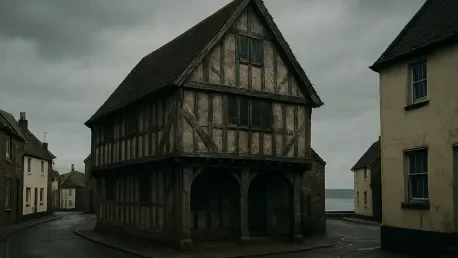
Concerns over traffic congestion and a lack of adequate parking for a sixty-person facility contributed to the rejection of the latest Bude planning application. This decision brings a temporary halt to a long-standing debate regarding the future of the Masonic Lodge in Bude, a structure that has

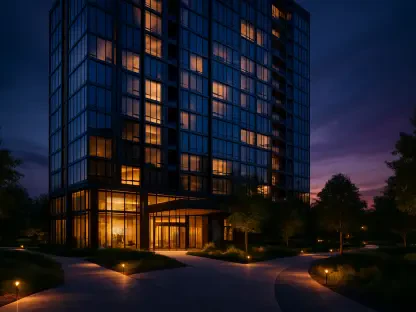
The restoration of a third-floor gymnasium into a community space marks the successful adaptive reuse of a site that sat dormant for two decades. This ambitious $51 million redevelopment project, known as The Residences at Lincoln Square, stands as a testament to the power of reimagining urban

Michael Reynolds developed a radical housing model in Taos, New Mexico, that repurposes discarded vehicle tires and glass bottles into high-performance structural components. This architectural approach, known as the Earthship, challenges traditional notions of domestic living by decoupling the

Winning the Best Interior Design Scheme Global award for a Palm Jumeirah penthouse validated Kul’s belief that functionality should never be sacrificed for visual impact. This achievement marks a pivotal moment for LUMI Interiors, a firm that has consistently challenged the traditional definitions
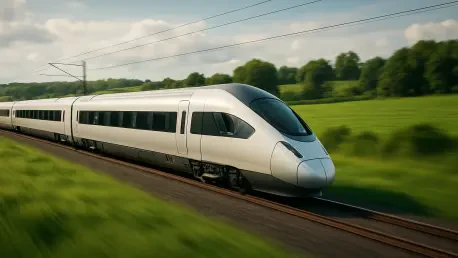
The rhythmic clatter of steel wheels on the historic S-Line is shifting from a slow-motion freight crawl to a high-velocity symphony of modern American travel. This evolution gained massive momentum as the U.S. Department of Transportation officially obligated $550 million to catalyze the
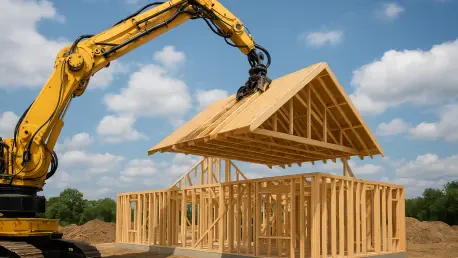
Following a successful pilot program in Alberta with Mattamy Homes, Promise Robotics is now expanding its automated production technology into the United States housing market with D.R. Horton. This landmark multi-year commercial agreement signifies a pivotal shift in how the nation’s largest