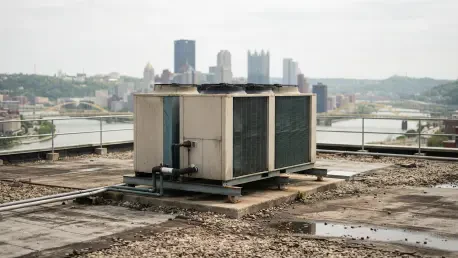

Implementing a five-year capital plan allowed major office towers like Two PPG Place to achieve energy reductions of nearly 50% through structured sustainable investment. This shift demonstrates that modern building owners and facility managers no longer view decarbonization as a mere environmental checkbox. Instead, it has evolved into a sophisticated pillar of asset management that directly impacts the bottom line. By integrating energy efficiency, electrification, and renewable power, stakeholders can mitigate long-term risks while optimizing financial performance in the competitive landscape of 2026. This strategic shift requires moving away from reactive maintenance toward a holistic view of how a building functions over its entire lifespan. Leadership must understand that a facility’s carbon footprint is inextricably tied to its operational efficiency and market value. Decarbonization offers a clear pathway to modernize aging infrastructure, making properties more attractive to high-value tenants and more resilient against fluctuating energy markets. When sustainability goals align with commercial interests, the resulting strategy transforms a building from a constant cost center into a high-performance asset capable of generating superior returns. This transition is not just about replacing hardware; it is about redefining the economic potential of the built environment through intelligent, low-carbon initiatives.
Metrics and Benchmarking: The Foundation of Strategy
The first step in any successful decarbonization strategy is the aggressive benchmarking of current energy use and equipment health. Without a comprehensive understanding of utility expenditures and maintenance history, it is impossible to measure the success of future upgrades or justify capital investments. Data analytics allow owners to identify significant performance gaps and compare their properties against local and national standards. This transparency ensures that every dollar spent on improvements is backed by measurable evidence of waste and potential recovery. For instance, the success observed in the Pittsburgh 2030 District highlights how aggressive data tracking can lead to massive regional improvements, with many participants seeing energy use reductions exceeding 25% across diverse portfolios. By treating energy data as a core business intelligence asset, facility managers can move from subjective assessments to an objective, evidence-based management style. This foundation is essential for securing buy-in from financial stakeholders who require clear projections of savings and performance improvements before authorizing large-scale retrofits or electrification projects.
Many successful initiatives demonstrate that high-level performance stems from a long-term strategy rather than isolated, reactive fixes. By utilizing performance reports, facility managers can pinpoint exactly where a building is losing energy, whether through envelope leaks, inefficient HVAC cycling, or poorly timed lighting systems. This data-driven approach shifts the organizational focus from guesswork to precision, allowing for the creation of a customized roadmap that prioritizes the most impactful interventions based on the specific needs of the facility. For example, a commercial office tower might discover that its cooling load is disproportionately high during off-peak hours, suggesting a need for better automation rather than expensive hardware upgrades. By identifying these nuances early, owners can avoid over-investing in the wrong areas and instead focus on high-yield projects that maximize carbon reduction per dollar spent. This level of granular insight also helps in predicting future utility costs, providing a layer of financial security in a market where energy prices remain volatile and regulatory pressures continue to mount for commercial property owners.
Operational Efficiency: Capturing Immediate Financial Gains
Significant financial paybacks often begin with low-hanging fruit rather than massive capital expenditures. Before investing in new hardware, facility teams should focus on optimizing existing building automation settings, equipment controls, and operating setpoints. These minor adjustments to the building’s internal logic require minimal capital but can yield near-immediate reductions in utility bills. The David L. Lawrence Convention Center provides a compelling case study for this approach, showing how refinement of building automation and equipment controls can lead to substantial performance gains. By optimizing how a facility responds to real-time occupancy and environmental conditions, owners can capture immediate savings that can then be reinvested into more substantial infrastructure projects down the line. This phase of the process proves that decarbonization is as much about operational excellence and behavioral shifts as it is about the installation of new technology. It empowers onsite staff to take ownership of the building’s performance, creating a culture of efficiency that supports long-term sustainability goals without requiring an immediate, disruptive overhaul of the entire mechanical plant.
The success of a low-cost-first approach is especially evident in buildings that have achieved higher efficiency ratings simply through more diligent management and fine-tuning. By refining how a facility responds to occupancy levels and external weather conditions, owners can maximize the life of their current equipment while reducing unnecessary wear and tear. This method involves re-evaluating nighttime setbacks, optimizing water temperature loops, and ensuring that lighting schedules align with actual usage patterns. These steps do not just save energy; they also improve the comfort of the indoor environment, which is a key factor in tenant retention and satisfaction. When occupants feel that a building is well-managed and responsive to their needs, the perceived value of the space increases. Furthermore, the operational data gathered during this phase provides a clearer picture of which mechanical systems are truly failing and which are simply being operated incorrectly. This distinction is vital for planning future capital projects, as it prevents the unnecessary replacement of functional equipment and ensures that new investments are targeted at the most critical deficiencies.
Strategic Planning: Navigating the Equipment Replacement Cycle
One of the greatest hurdles to a greener building is the emergency replacement trap, where sudden equipment failure forces a rushed, inefficient replacement. When a critical system like a boiler or a primary chiller fails during a peak season, facility managers are often forced into like-for-like replacements to restore service as quickly as possible. This reactive cycle locks the building into another twenty years of high carbon emissions and outdated technology. To avoid this, managers must implement a proactive auditing system to assess the remaining lifespan of mechanical systems before they reach a breaking point. A replacement cycle roadmap ensures that when a major component finally nears the end of its life, the facility is already prepared for a high-efficiency or electric alternative. This preparation includes having engineering plans ready and understanding the lead times for modern equipment. By breaking the cycle of crisis management, owners can make strategic decisions that align with long-term decarbonization goals, ensuring that every equipment failure becomes an opportunity for significant modernization rather than a costly step backward.
Infrastructure pre-planning is a vital component of this roadmap, as modern systems often have different physical and technical requirements compared to their legacy counterparts. For example, transitioning from traditional gas-fired boilers to high-efficiency heat pumps may require increased electrical capacity, specialized venting, or different airflow considerations that cannot be addressed in a moment of crisis. By identifying these needs years in advance, owners can perform incremental upgrades to the building’s electrical panels and distribution systems during routine maintenance or minor renovations. This phased approach avoids the staggering costs of a massive, all-at-once building overhaul and ensures a seamless transition to cleaner technology when the primary equipment eventually requires replacement. Moreover, pre-planning allows for the exploration of hybrid solutions, where heat pumps can handle the base load while existing systems are maintained for peak demand periods. This strategy reduces the risk of a full technology pivot while still achieving significant carbon reductions and operational savings, providing a balanced path toward full electrification that respects the existing constraints of the property.
Holistic Valuation: Analyzing Total Cost and Performance
The true business case for decarbonization looks beyond the initial purchase price of equipment to evaluate the total cost of ownership. This comprehensive financial view accounts for long-term operational savings, reduced maintenance requirements, and the availability of utility-sponsored rebates that offset the sticker price. High-efficiency systems, while sometimes more expensive upfront, often pay for themselves through significantly lower monthly energy bills and fewer emergency repair calls. For instance, modern heat pump water heaters can operate at three to four times the efficiency of traditional electric resistance or gas heaters, meaning the energy savings accumulate rapidly over the first few years of operation. By analyzing the net present value of these investments, financial officers can see that sustainable upgrades are often the most fiscally responsible choice. This approach shifts the conversation from a simple expenditure to a strategic investment that enhances the asset’s net operating income. Reducing the annual operating budget through efficiency directly increases the overall valuation of the property, providing a dual benefit of lower costs and higher market worth.
Furthermore, moving toward modern systems allows for the right-sizing of equipment based on current building demand and modern efficiency standards. Many older structures are equipped with oversized systems that waste energy by constantly cycling on and off, which also increases the initial purchase price and maintenance costs. By evaluating modern occupancy patterns and the widespread use of low-flow plumbing fixtures, facility managers can often install smaller, more efficient units that perform better than the oversized equipment they replace. This systems-based approach ensures that the technology is perfectly matched to the building’s current needs, maximizing both performance and return on investment. For example, a building that has upgraded its lighting to LED and improved its window seals will have a significantly lower cooling load than it did twenty years ago, allowing for a smaller and more affordable chiller replacement. This synergy between different building components is the hallmark of a sophisticated decarbonization strategy, where each improvement makes the next one easier and more cost-effective, ultimately creating a leaner and more profitable facility.
Financial Solutions: Funding the Future of Real Estate
Even with a strong technical case, high upfront costs remain a common concern, requiring the use of creative financial engineering to preserve internal capital. Commercial Property Assessed Clean Energy (C-PACE) has emerged as a transformative tool that allows for 100% funding of energy and water conservation projects with no out-of-pocket costs for the owner. Because the cost of the project is repaid through a special assessment on the property tax bill over a long period, the investment risk stays with the asset itself rather than the individual owner or the business. This structure is particularly attractive for commercial real estate because the assessment can often be passed through to tenants under triple-net leases, allowing both the owner and the occupants to share in the benefits of a more efficient building. By leveraging C-PACE, owners can undertake deep retrofits that would otherwise be deferred, instantly improving the building’s performance and marketability while maintaining a healthy cash flow. This financial flexibility is critical in 2026, as it allows owners to meet tightening carbon regulations without depleting their capital reserves for other business operations.
Beyond C-PACE, sophisticated owners utilize energy performance contracts and regional utility grants designed to lower the strain on the power grid. These agreements often allow buildings to pay for critical upgrades using the guaranteed energy savings generated by the new equipment, essentially making the project self-funding. The transition toward decarbonized buildings is realized when stakeholders shift from short-term firefighting to long-term stewardship, recognizing that the financial and operational rewards are substantial. Successful property managers treat sustainability as a core business function, which allows them to transform their properties into high-performance assets that are more attractive to tenants and more resilient to market fluctuations. These strategies prove that when a property-specific plan is linked to measurable data and long-term financial goals, the path to a zero-carbon future is not just an environmental necessity, but a sound business decision. Ultimately, those who adopt a phased, data-driven approach to technology and financing secure a clear competitive advantage, ensuring their assets remain profitable and relevant in a rapidly evolving economy. Through the integration of technical expertise and creative financing, the industry is moving toward a future where every building can be both sustainable and highly lucrative.