
Scalable design elements such as self-contained stone units allow urban residents with small balconies to incorporate Japanese garden aesthetics without a full renovation. This approach draws heavily from the concept of wabi-sabi, a centuries-old Japanese philosophy that celebrates the beauty of

Managing the flow of tourism through timed entry reservations is essential for preserving the tranquil atmosphere of the island’s major museums. Naoshima, an island nestled within Japan’s Seto Inland Sea, has emerged as a premier global benchmark for integrating contemporary art with rural
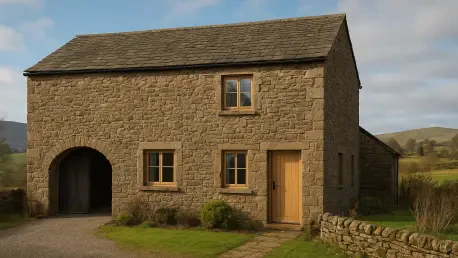
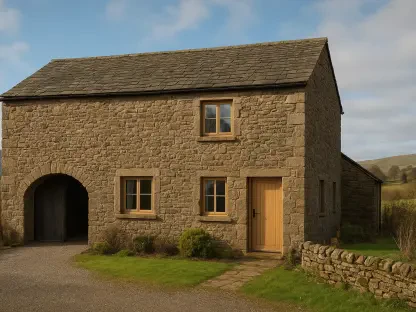
The conversion of this Grade II-listed asset allows the current owners to relocate from their adjacent farmhouse while keeping the historic property within the family. Located in the serene landscape of Cartmel Fell near Windermere, the Bryan Beck Bank Barn represents more than just a renovation

Transitioning from grey infrastructure like concrete pipes to green infrastructure requires a fundamental rethinking of how urban land is valued and managed. This paradigm shift is not merely a matter of environmental aesthetics; it is a critical defense mechanism against the escalating economic

The evolution of Agnelli’s various estates suggests that a truly sophisticated interior is never a finished monument but rather a living environment that adapts to its inhabitants' changing needs. As the wife of Fiat titan Gianni Agnelli, Marella navigated the transition from an uncertain young
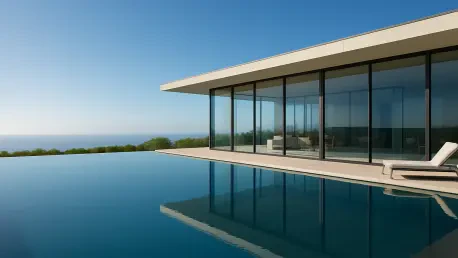
The architectural movement toward geometric precision is replacing the ornate, kidney-shaped basins and rock waterfalls that once dominated the high-end residential landscape. This shift represents a broader cultural evolution toward a philosophy often described as quiet luxury, where the emphasis
1 2 3 4 5 6 7 8 9 10 11 12 13 14 15 16 17 18 19 20 21 22 23 24 25 26 27 28 29 30 31 32 33 34