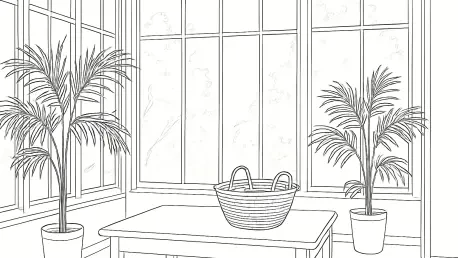

The evolution of Agnelli’s various estates suggests that a truly sophisticated interior is never a finished monument but rather a living environment that adapts to its inhabitants’ changing needs. As the wife of Fiat titan Gianni Agnelli, Marella navigated the transition from an uncertain young bride to a master gardener and patron of the arts, leaving behind a blueprint for living that remains vital in 2026. Her residences, from the historic palazzos of Italy to the glass-walled penthouses of New York, were never intended to be static displays of wealth; instead, they served as vibrant, layered reflections of a life deeply engaged with the world. By examining her approach, modern homeowners can learn to reject the sterility of trend-driven decorating in favor of a “collected” aesthetic that prioritizes personal history over perfect coordination. This philosophy encourages a dialogue between the old and the new, ensuring that a home is a functional stage for human experiences.
Cultivating a Personal and Evolving Point of View
Maintaining a strong, individual point of view is essential for a home that feels alive, as it prevents the space from becoming a mere reflection of fleeting commercial trends. Despite living in properties of immense historical significance, Marella Agnelli was never paralyzed by the weight of tradition. She was known to boldly strip away heavy, outdated architectural details to ensure her surroundings felt current and suited to the contemporary rhythm of her family’s life. This willingness to adapt demonstrates that a home should never be a static monument to the past, but rather a dynamic entity that grows alongside its inhabitants. By having the courage to modify inherited spaces, one honors the soul of the house while ensuring it serves the present. This approach requires a discerning eye and the confidence to prioritize personal comfort over rigid historical accuracy, allowing the home to breathe and function effectively in a modern context.
To prevent an interior from feeling stagnant, a resident must embrace the idea of constant evolution, recognizing that mental clarity often follows a refresh of one’s physical surroundings. This does not always necessitate a full-scale renovation; even minor shifts, such as rotating a collection of contemporary art or experimenting with a new furniture layout, can introduce fresh energy into a tired room. Agnelli’s frequent transitions between bustling urban centers and secluded rural retreats taught her that different environments demand different moods and functional priorities. By remaining bold and open to change, you ensure that your home remains a vibrant reflection of your present interests rather than a relic of a previous life chapter. Stagnation is the enemy of a well-lived home, and the most successful interiors are those that are never truly finished but are perpetually being refined and adjusted to better suit the changing creative interests of those who live within them.
Prioritizing Atmosphere and Livability
A common pitfall in high-end residential design is the creation of rooms that look stunning in high-resolution photography but feel cold or uninviting for actual human occupation. Marella Agnelli’s design legacy serves as a masterclass in prioritizing atmosphere over purely photogenic perfection, emphasizing that a house must first be a home. She famously employed a clever trick for grounding even the most formal Roman apartments: the strategic placement of simple wicker furniture and baskets. By introducing these humble, woven materials into grand spaces filled with priceless antiques, she provided an immediate sense of warmth and approachability. This deliberate contrast between the elevated and the everyday prevents a home from feeling like a museum or a commercial showroom. It creates a bridge between luxury and comfort, signaling to guests and residents alike that the space is intended for relaxation rather than observation, fostering a sense of genuine domestic hospitality.
Creating a truly livable space involves designing a stage for the intimate rituals of daily life rather than focusing on a display intended for external validation. Texture plays a vital role in this endeavor, as the interplay of light and soft organic materials invites people to linger and engage with their environment. When a designer prioritizes the sensory experience—how a room feels to the touch, how the acoustics handle a quiet conversation, and how natural light filters through the space—they move away from the stodgy formality that often plagues large or historic homes. The ultimate goal is to create an environment where luxury exists solely to serve comfort, ensuring that every room, regardless of its grandeur, is utilized and enjoyed to its fullest potential. A home that is lived in deeply acquires a patina of life that cannot be manufactured, resulting in a space that feels authentically inhabited and welcoming to everyone who enters across the threshold.
Integrating Nature Through Biophilic Design
Long before the concept of biophilia became a cornerstone of modern architectural discourse, Marella Agnelli recognized the garden as the most essential room of any residence. She pioneered the seamless integration of the outdoors with the indoors, focusing on the abundance of natural light and the strategic placement of greenery within the living quarters. For Agnelli, a connection to nature was not merely an aesthetic choice or a decorative flourish; it was a fundamental pillar of human well-being and psychological renewal. Whether managing a vast landscape in the Italian countryside or a small terrace in Manhattan, she emphasized that bringing the outside in fosters a profound sense of peace. Modern design can draw inspiration from this by prioritizing large windows, skylights, and indoor gardens that blur the boundaries between the built environment and the natural world. This integration ensures that the home remains a sanctuary that nurtures the spirit through constant natural beauty.
This intentional connection to the natural world provides a steady rhythm to the home that man-made materials and artificial lighting simply cannot replicate. By treating the garden or even a simple collection of window boxes as a core component of the interior plan, homeowners create a living sanctuary that changes beautifully throughout the seasons. Design that honors the natural world encourages inhabitants to slow down and appreciate the passing of time, grounding them in the present moment. Incorporating organic elements like rough-hewn stone, warm woods, and subtle floral motifs can bridge the gap between the domestic interior and the organic world outside. This approach makes the home feel like a natural extension of its surroundings rather than an isolated structure. By aligning one’s living space with the cycles of nature, a homeowner creates an environment that feels timeless and resilient, offering a constant source of inspiration and visual interest that evolves with each passing month.
Finding Purpose and Resilience Through Beauty
Beyond the aesthetic considerations, the pursuit of beauty serves as a powerful tool for maintaining psychological health and personal resilience in an increasingly complex world. Even when facing personal adversity or grief, Marella Agnelli found a profound sense of purpose in the stewardship of her homes and the promotion of the arts. Engaging with the decorative arts provides an individual with a sense of agency and accomplishment, transforming the home into a project of lifelong creativity. This outlet is not exclusive to those with grand budgets; it is found in the simple acts of sourcing unique glassware for a social gathering or sewing a custom pillow from a favorite textile found during travels. These small, intentional actions ground the individual and provide a meaningful path toward happiness and domestic fulfillment. The act of creating beauty is a constructive way to process energy and leave a lasting mark on one’s environment, fostering a deep sense of connection to one’s surroundings.
Ultimately, the design principles championed by Marella Agnelli demonstrated that a well-lived life required an authentic and courageous point of view. She showed that the most successful homes were those where the owners took risks, mixing humble wicker with high-luxe silk to create a space that felt truly their own. Moving forward, homeowners were encouraged to look at their environments not as fixed assets, but as evolving projects that demanded active participation and creativity. Next steps for those seeking this timeless style involved auditing their current spaces for items that lacked personal meaning and replacing them with objects that sparked genuine interest. One was advised to experiment with bringing more greenery inside or rearranging furniture to break established patterns of movement. By prioritizing atmosphere and purpose over perfection, individuals developed a stronger bond with their homes. This legacy proved that the true art of design lay in the constant pursuit of a beauty that served both the eye and the spirit.