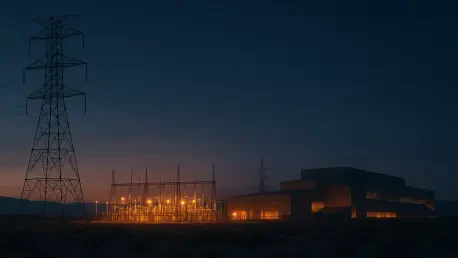
The long-term economic value of these facilities will eventually shift from physical construction to the frequent three-to-five-year cycles of high-value IT equipment refreshment. This reality defines the current Australian infrastructure landscape, which is undergoing a massive transformation as

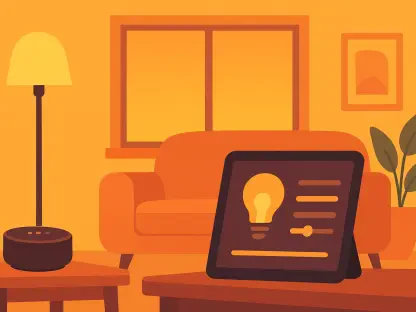
The transition to homeOS and the release of updated Apple TV 4K hardware represents a move to consolidate the smart home into a single, private, and owned platform. This bold strategic pivot arrives at a moment when the modern household has become a digital ledger of recurring line items, where

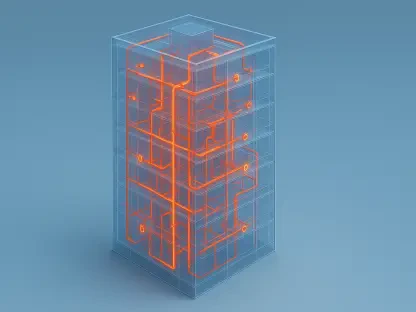
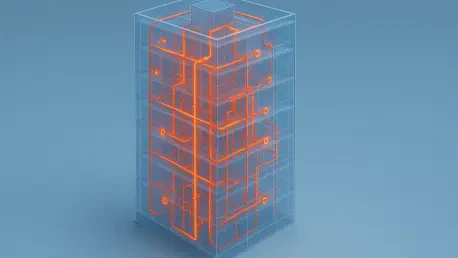
Successful facility management in the current landscape depends less on the total volume of sensors installed and more on the structural integrity of the digital foundation that processes every single data point. As organizations navigate the complexities of 2026, the pressure to adopt artificial
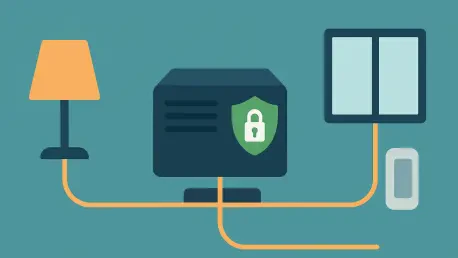
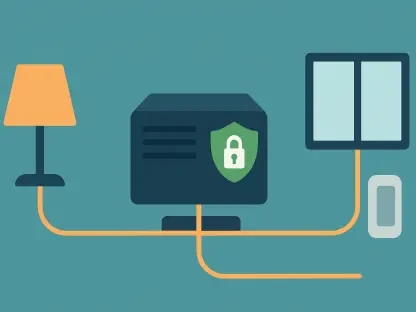
The HomeAgent acts as a centralized private cloud, utilizing three SATA 3.0 bays to provide secure local storage for high-definition camera footage and personal media libraries. This technological shift arrives at a pivotal moment when the modern smart home stands at a crossroads, caught between

This transaction ensures that financial data within the Sage platform is not merely stored but actively validated through an integrated workflow engine. The construction industry has long struggled with the sluggish nature of manual data entry and the fragmentation of back-office operations, but
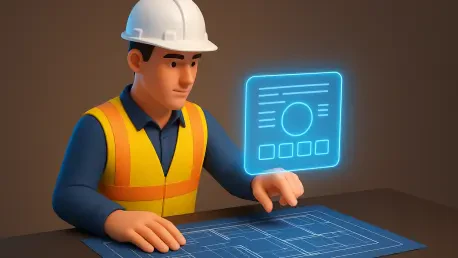
The construction industry is navigating an era where the digitization of safety management has evolved from a progressive option into an absolute requirement for operational success. The partnership between McConnell Dowell and HammerTech signals a significant milestone in the modernization of
1 2 3 4 5 6 7 8 9 10 11 12 13 14 15 16 17 18 19 20 21 22 23 24 25 26 27 28 29 30 31