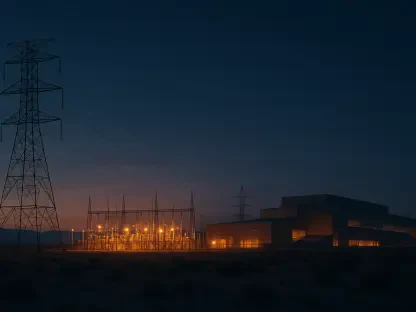

Strict indoor air quality standards were met through the exclusive use of low-emission paints, adhesives, and flooring materials during the construction phase. This commitment to health and sustainability serves as the foundational ethos for the Robotics Innovation Center at Carnegie Mellon

Early findings from pilot programs at major firms indicate that AI-driven scope development can reduce manual labor by 100 to 350 hours per construction project. This massive reduction in administrative burden arrives at a critical time for the global building industry, as Washington, D.C.-based
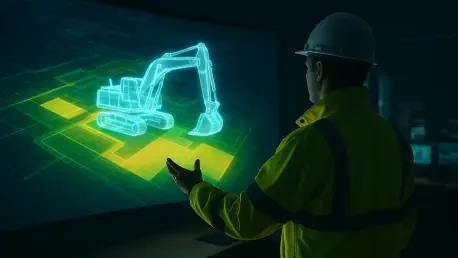
The mortality rate in European construction remains volatile because sites involve multiple contractors and heavy machinery in constantly changing configurations. For decades, the industry relied on manual oversight and reactive safety protocols that only addressed hazards after an incident

Advanced field robotics are transitioning from theoretical evaluations to practical applications that meet the rigorous standards of outdoor utility-scale construction. As global energy markets pivot toward sustainable infrastructure at an unprecedented pace, the scale of solar farm development has
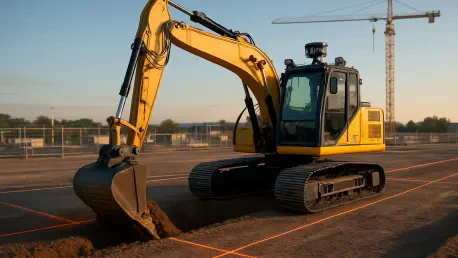
A single person requires five or more years of intensive training to master an excavator, creating a bottleneck that autonomous systems aim to eliminate. As the infrastructure demands of 2026 continue to surge across the United States, the construction industry faces a critical deficit of skilled

The transition from 2D fragmented drawings to data-rich digital objects represents a mandatory ladder that firms must climb before they can utilize generative design or autonomous monitoring. The construction industry has long been characterized by a disjointed approach to technological adoption,