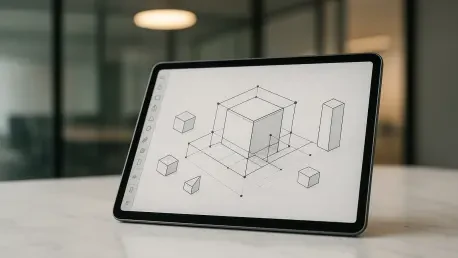
The shift from manual geometry construction to agentic design allows architects to focus on high-level decision-making while AI handles the labor-intensive task of generating 3D structures. Founded by a prominent team of veterans from the Autodesk AI Lab, Google DeepMind, and Tesla, the San

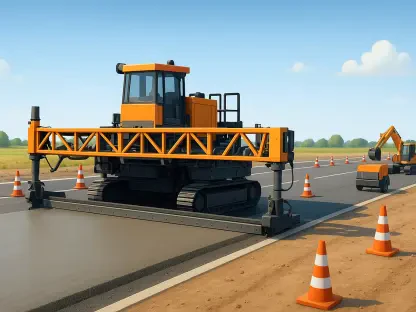
By adding autonomous features to excavators and bulldozers, firms can reduce human error in repetitive, high-volume tasks such as mass excavation and precision grading. This shift goes beyond an equipment upgrade, moving the construction site toward industrial-style production. Earthmoving

Integrating cost estimation directly into the digital model allows project managers to track budgeting fluctuations in real time as design changes occur throughout the development cycle. In the current landscape of 2026, the real estate sector has moved far beyond simple three-dimensional

Construction executives are facing a paradigm shift where artificial intelligence is no longer just a functional tool but a core driver of organizational transformation and management strategy. The skyline is no longer just a testament to steel and concrete but a reflection of how data orchestrates

The digital transformation of the construction sector has reached a tipping point where the primary concern is no longer the adoption of hardware but the psychological phenomenon known as cognitive submission. As sophisticated algorithms begin to dictate everything from structural integrity checks

The current landscape of industrial manufacturing has reached a pivotal juncture where the integration of artificial intelligence is no longer an experimental novelty but a core requirement for competitive design. For years, engineers and product designers struggled with the manual optimization of