
The platform analyzes project documentation to identify potential contractual risks and can draft change orders synchronized with enterprise resource planning systems. At the recent Trimble Dimensions User Conference, the unveiling of these capabilities marked a turning point for an industry long burdened by fragmented data and unpredictable site conditions. Trimble Connect has evolved from a collaborative environment into a proactive intelligence engine that works to “de-risk” the construction life cycle. By integrating native AI across the design, build, and operate phases, the platform addresses the physical, informational, and commercial hazards that typically derail large-scale infrastructure projects. This evolution is not merely a software update but a strategic effort to unify over 55 million users and 35 million projects under a single data layer grounded in physical reality. By bridging the gap between office-based architectural vision and the messy realities of the jobsite, Trimble provides a new standard for predictability.
Interacting with Grounded Industry Intelligence
A fundamental distinction in this technological shift is the reliance on industry-specific AI rather than general-purpose generative models. While standard artificial intelligence often depends on vast, unfiltered internet datasets, the intelligence embedded within this ecosystem is “grounded” in site-specific telemetry and high-precision field hardware logs. This ensures that the insights generated are not abstract digital theories but are instead actionable within the specific constraints of a physical jobsite. By utilizing machine control data and domain-specific expertise, the platform provides a level of reliability that generic models cannot match. This approach prioritizes accuracy above all else, ensuring that every recommendation is backed by real-world telemetry from active projects. As construction environments become increasingly complex, the need for data that reflects physical reality rather than statistical probability has become paramount. This grounding allows for more confident decision-making across all project stakeholders today.
To make this immense volume of data accessible and useful, the system introduced Trimble Assist and the specialized Agent Studio. Trimble Assist serves as a natural language interface, allowing field and office personnel to query complex datasets as if they were speaking to a colleague. Instead of digging through thousands of pages of blueprints or spreadsheets, a user can simply ask for the current status of a specific structural component. Meanwhile, Agent Studio provides a platform for organizations to codify the “institutional knowledge” of their most experienced veterans. By capturing specialized standard operating procedures and unique project expertise, companies can create custom AI agents that guide a younger, less experienced workforce. This preservation of knowledge is critical as the industry faces a shrinking labor pool, ensuring that decades of field experience are not lost when senior staff retire. These agents act as persistent mentors, providing real-time guidance based on proven historical methods.
Enhancing the Design and Modeling Phase
During the design phase, the integration of artificial intelligence significantly reduces the friction that exists between architectural concepts and mechanical reality. Designers are now empowered to utilize live point clouds that reflect the actual as-built conditions of a site to inform their conceptual sketches. This ensures that any new design proposal is instantly cross-referenced against the physical dimensions of the existing environment, which virtually eliminates the discrepancies often found during the design-to-field transition. Furthermore, the introduction of automated structural modeling allows users to convert simple natural language prompts into high-fidelity, fabrication-ready steel models. This breakthrough removes the tedious manual data entry phase that has historically been a primary source of human error. By automating the creation of these models, the platform accelerates the pre-construction timeline and ensures that the materials ordered for fabrication are accurate to the millimeter.
Moreover, the system utilizes advanced indoor classification to process millions of data points from raw laser scans. This capability allows the software to automatically categorize structural elements such as walls, floors, and piping systems directly on mobile or desktop devices. This automation speeds up the documentation of as-built structures, providing a reliable foundation for any renovation or expansion project. Instead of spending weeks manually tracing scan data, engineers can now generate comprehensive digital twins in a fraction of the time. This efficiency allows for more iterative design cycles, where multiple options can be tested against the physical reality of the site before a single piece of material is cut. The ability to verify designs against real-world constraints in real-time ensures that the project remains constructible from day one. This proactive verification process is essential for maintaining project momentum and avoiding the costly rework that often plagues the early construction stages.
Implementing Real-Time Intelligence During Construction
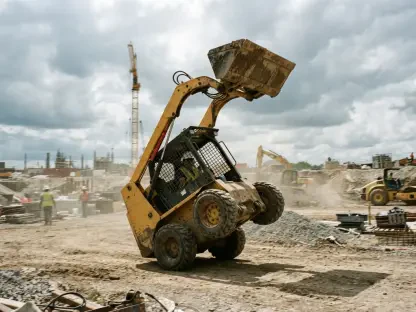
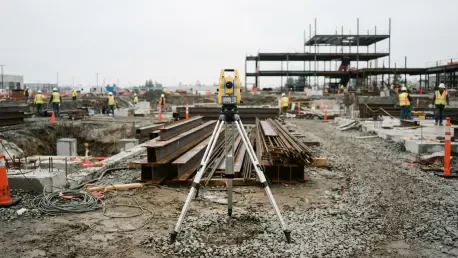
The transition from the design office to the active jobsite represents the phase where physical risks are most prevalent. To combat this, the platform now provides AI-driven diagnostics for field hardware, which analyzes live GNSS telemetry and machine control logs in real-time. This system can identify the root cause of equipment issues immediately, often allowing operators to perform onsite fixes without waiting for external technical support. By minimizing equipment downtime, project managers can ensure that earthmoving and grading operations stay on schedule, preventing a domino effect of delays across subsequent phases. This level of site intelligence transforms maintenance from a reactive task into a predictive strategy, where potential failures are flagged before they result in a complete stoppage of work. The continuous monitoring of hardware health ensures that the heavy machinery central to modern construction remains a reliable asset rather than a liability.
In addition to hardware health, the platform utilizes vision-based progress tracking to provide an objective record of site developments. By processing 360-degree sitewalk videos through computer vision, the system generates 3D point clouds that are automatically aligned with the original project drawings. This allows stakeholders to visually compare the planned design against the actual progress on the ground, identifying any deviations before they become permanent problems. The automation extends to the inspection process through the AI Punch Walk feature, where field engineers use voice-driven commands to document site issues. As the engineer walks the site, the AI transcribes their observations, geotags the specific location, and pins the “punch item” directly to the digital blueprints. This modernization of the inspection workflow reduces administrative overhead and ensures that communication between the field and the office is instantaneous, accurate, and tied to a precise geographical context.
Managing Governance and Financial Integrity
Recognizing that transparency is the cornerstone of professional trust, every AI agent or model within the ecosystem now features a standardized safety label. These labels document data provenance, security protocols, and safety parameters, ensuring that project leads understand exactly how a suggestion was generated. This initiative aligns with the latest international standards, such as the EU AI Act and ISO 42001, providing a framework for responsible technology adoption in heavy industry. By maintaining a human-in-the-loop approach, the system ensures that while the intelligence layer provides powerful analysis, final decision-making authority remains with human experts. This governance structure is vital for industries where safety and structural integrity are paramount, allowing firms to leverage advanced tools without sacrificing accountability. This transparency builds the confidence necessary for large-scale firms to integrate these automated systems into their core operational workflows.
Financial integrity is further protected through an automated procurement system that utilizes a triple-match verification process. The AI matches supplier invoices against original purchase orders and actual delivery receipts, automatically flagging any discrepancies in quantity or pricing. This system ensures that contractors only pay for materials that were both agreed upon and successfully delivered to the site, protecting profit margins from administrative errors or billing inconsistencies. Beyond procurement, the agentic planning engine links the project master schedule to live external data sources, including weather forecasts and active Requests for Information. If the system detects a potential delay, it recommends specific mitigation strategies before the issue can snowball into a project-wide overrun. This shift from static scheduling to dynamic, data-driven planning allows project managers to maintain control over their timelines even in the face of unpredictable environmental or logistical challenges.
Strategic Implementation for Industry Leaders
Project stakeholders recognized that the integration of these intelligence layers required a fundamental shift in how data was managed across the organization. The adoption of a unified data environment allowed teams to move away from siloed applications and toward a single source of truth that persisted from the initial sketch to the final handover. It was found that organizations that prioritized the codification of their internal expertise into custom agents saw a significant reduction in the time required to onboard new personnel. Furthermore, the use of automated structural modeling led to a decrease in fabrication errors, which traditionally accounted for a notable percentage of project waste. By implementing these tools, leaders were able to transition their operations from a reactive posture to a predictive one, where risks were identified and mitigated long before they impacted the bottom line. This strategic move proved that technological integration was as much about cultural change as it was about software.
The final analysis of these developments suggested that the future of the built environment depended on the seamless interconnectivity of physical and digital assets. Those who successfully deployed these systems early focused on creating a feedback loop between the field and the office, ensuring that real-time site data informed every administrative decision. It was recommended that firms establish clear protocols for data governance, utilizing the provided safety labels to audit the performance of their automated agents regularly. Moving forward, the industry was encouraged to view these tools not as replacements for human expertise, but as force multipliers that allowed engineers and managers to focus on high-value strategic tasks. By automating the mundane aspects of data entry and risk monitoring, the platform enabled a level of project predictability that was previously thought to be unattainable. The success of this implementation demonstrated that a grounded, industry-specific approach was the most effective way to navigate the complexities of modern construction.