

Automation through custom scripting ensures that every engineer in a firm uses the same approved geometry and logic to reduce manufacturing errors. This paradigm shift addresses the fundamental limitations of traditional file-based CAD, which often crippled productivity with excessive

Effective project management in the AECO industry depends on the ability to translate feasibility study findings into actionable design data within Revit. For years, architects struggled with the lost hours spent recreating massing models and site analysis data once a project moved from the
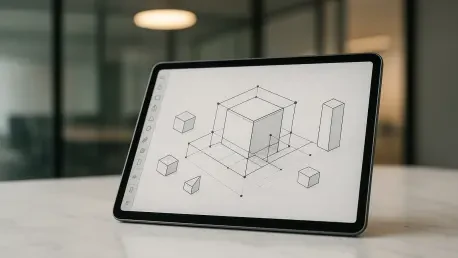
The shift from manual geometry construction to agentic design allows architects to focus on high-level decision-making while AI handles the labor-intensive task of generating 3D structures. Founded by a prominent team of veterans from the Autodesk AI Lab, Google DeepMind, and Tesla, the San

The traditional gap between a sophisticated architectural model and the messy reality of a dirt-filled construction site is rapidly closing as digital layout solutions redefine how structures are built from the ground up. Currently valued at approximately $2.8 billion in 2026, the global site

The current landscape of industrial manufacturing has reached a pivotal juncture where the integration of artificial intelligence is no longer an experimental novelty but a core requirement for competitive design. For years, engineers and product designers struggled with the manual optimization of
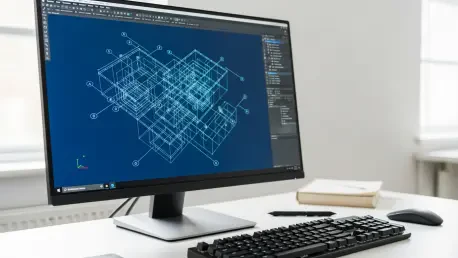
The architectural and engineering industries have long dreamed of a "magic button" that could transform conceptual sketches into fully dimensioned, production-ready blueprints with a single click. While the rapid advancement of large language models has revolutionized content creation and software