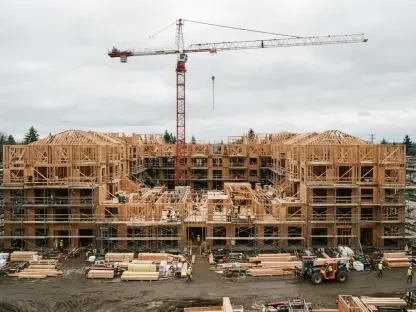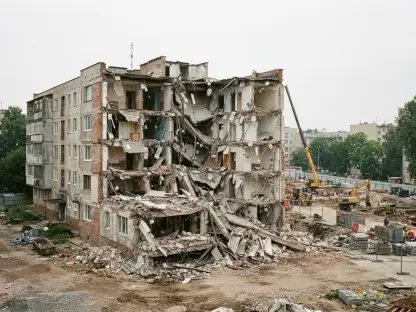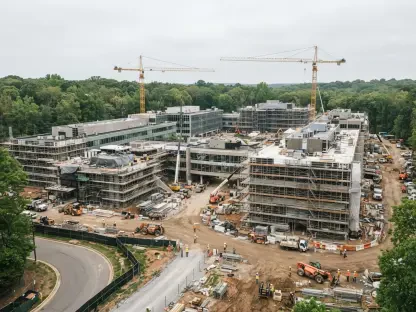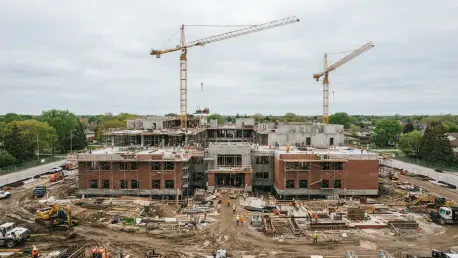

District leadership is prioritizing a balance between building new facilities and performing critical maintenance on old structures to ensure student safety. As Rutherford County faces a pivotal moment in its regional development, the Board of Education has introduced a $402.3 million five-year capital improvement plan that serves as a streamlined alternative to previous, more costly proposals. This current roadmap was condensed from an initial $750 million estimate, representing a more fiscally conservative approach reached through intensive collaboration with the county commission. The strategy is designed to address the dual pressure of a rapidly expanding population and the inevitable decay of historic school buildings that have served the community for generations. By focusing on high-impact projects, the district aims to optimize current assets while constructing modern spaces that can accommodate the projected influx of new students. This balanced initiative ensures that the county remains an attractive destination for families while maintaining the structural integrity and operational efficiency of its existing academic portfolio.
Strategic Implementation of Modernization Projects
Revitalizing Aging Academic Facilities
The complete reconstruction of McFadden School stands as a primary objective within the current capital plan, requiring a dedicated investment of approximately $38.5 million. Rather than attempting a series of superficial repairs on a building that no longer meets modern educational standards, the district has decided to construct a brand-new facility directly behind the existing structure. This innovative approach allows the educational process to continue without interruption, as the legacy building will only be demolished once the new classrooms are fully operational. This specific project illustrates a broader shift toward permanent solutions that effectively reset the operational life of the district’s most aged assets. Similarly, Central Magnet School is scheduled for $18.5 million in urgent upgrades focusing on subterranean infrastructure. Specifically, the original galvanized water and sewer lines located beneath the gymnasium are nearing a state of total failure. By addressing these foundational issues before they result in a catastrophic utility collapse, the board is proactively protecting the health and safety of the student body while avoiding the significantly higher costs associated with emergency structural repairs.
Scaling Capacity for Population Growth
To effectively manage the surge in residential development in the south and west portions of the county, the board has allocated $255.5 million for the construction of two major new campuses. This includes $169 million for a state-of-the-art high school and $86.5 million for a modern middle school designed to alleviate the severe overcrowding currently affecting neighboring institutions. These facilities are not merely designed for additional seating but are engineered to support contemporary instructional technology and enhanced security protocols. Beyond these large-scale campuses, the district is also moving forward with rebuilding efforts for specialized centers like Thurman Francis, Daniel McKee, and Smyrna West. These projects ensure that students in alternative and specialized programs have access to the same high-quality environments as those in general education tracks. Furthermore, the plan incorporates smaller, community-driven projects, such as a playground upgrade at Eagleville that leveraged local booster club funding. This multi-tiered strategy ensures that growth is managed across all educational sectors, providing a scalable framework that supports the entire district’s diverse demographic needs through the end of the decade.
Establishing Long-Term Safety Standards
The commitment to structural safety extends to the district’s athletic facilities, where a $100,000 allocation was used for expert structural reviews of concrete stadium bleachers. Inspections at Smyrna High, La Vergne High, and Smyrna Middle schools revealed visible degradation and exposed reinforcing steel, necessitating immediate remediation to prevent potential failures during public events. This proactive auditing process was a critical component of the district’s broader asset management strategy, ensuring that every square foot of school property remained safe for use. As the plan transitioned into the execution phase, administrators successfully finalized immediate maintenance projects by late August 2027, which provided a stabilized foundation for the subsequent construction of the new high and middle schools. Leadership established a rolling funding model that allowed the county to adjust its financial commitments based on updated enrollment data and economic conditions. By implementing a standardized inspection cycle for all mechanical and structural systems, the district created a repeatable framework for long-term stewardship. These actionable steps moved the county away from reactive repairs and toward a model of sustainable growth that effectively preserved public resources while significantly improving the student experience.