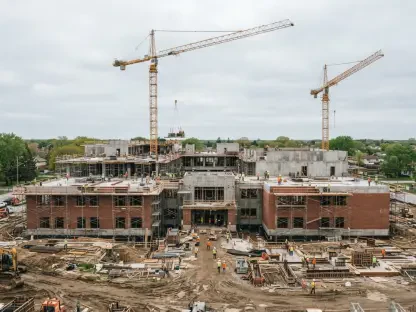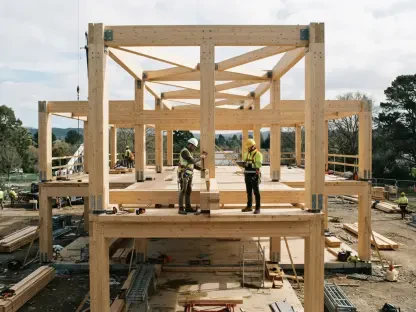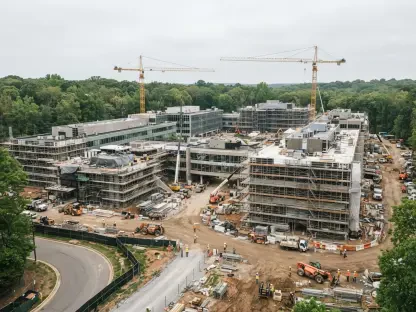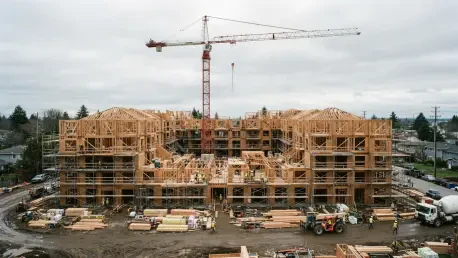

Construction on the new 56-unit building is expected to start this year, marking a significant milestone in Becker’s effort to revitalize its vacant land. This ambitious $12.2 million multifamily development, spearheaded by the Community Asset Development Group, signals a pivotal shift in the city’s approach to urban planning and community growth. For years, the specific site near Highway 10 sat quiet, serving as a reminder of missed commercial opportunities, but the current initiative transforms this neglected corridor into a vital residential asset. The building is designed to offer a variety of living arrangements, including one-bedroom units, den-equipped apartments, and spacious two-bedroom suites. By focusing on high-density housing, Becker is prioritizing modernized infrastructure that supports a growing workforce while ensuring that the land finally contributes to the local tax base. This development is not just a construction project; it is a declaration of the city’s commitment to providing stable, high-quality homes for its residents.
Navigating Financial Hurdles and Policy Debates
To bring this vision to life, the Becker City Council had to navigate complex financial waters, eventually approving approximately $1.28 million in Tax Increment Financing (TIF) to support the developer. This financial mechanism, spanning a 14-year term, was deemed essential for the project’s overall feasibility in a market where construction costs and interest rates remain challenging. Proponents of the measure relied heavily on the “but-for” principle, a standard in municipal development which suggests that the project would not proceed without public assistance. Given that the Highway 10 site had remained vacant for nearly twenty years despite numerous attempts to attract traditional retail or commercial interests, many council members viewed the subsidy as a necessary catalyst for change. The use of TIF reflects a calculated risk by the local government to trade short-term tax increments for the long-term benefit of permanent housing and increased property values.
However, the decision to grant such a significant subsidy was not without its critics within the local government chambers. During the final vote, the measure passed 4-1, with Mayor Mark Kolbinger casting the lone dissenting vote due to philosophical concerns regarding the size and duration of the public contribution. The Mayor’s hesitation centered on the precedent that large-scale subsidies might set for future developments, questioning whether the city should be so heavily invested in private projects. This debate highlights a common tension in modern American municipal governance: the balance between fiscal conservatism and the urgent need for growth. While the majority of the council emphasized that the decades of vacancy proved that the market would not solve the problem alone, the dissent serves as a reminder of the ongoing scrutiny regarding public-private partnerships. This dialogue ensures that while growth is prioritized, it remains subject to rigorous oversight and transparency.
Strategic Growth and Regional Inventory Solutions
The urgency behind these legislative moves is underscored by recent data indicating that Becker faces the tightest housing market in the region. Currently, the city maintains the lowest housing vacancy rate when compared to neighboring communities such as Big Lake, Clearwater, and Monticello. This severe inventory shortage has created a competitive environment where potential residents find it increasingly difficult to secure affordable or market-rate accommodations. Such a low vacancy rate often leads to stagnating local businesses, as employees struggle to find housing within a reasonable commute. To combat this, Becker is simultaneously reviewing plans for the Edgewood Village project, a massive development intended to introduce an additional 152 apartments and 40 townhomes. These concurrent efforts demonstrate that the city is moving beyond reactive measures toward a proactive, comprehensive strategy that uses high-density residential zones to alleviate the inventory squeeze and stabilize the local market for years to come.
The successful approval of these projects demonstrated that Becker prioritized long-term structural health over short-term fiscal hesitation. By leveraging Tax Increment Financing and welcoming large-scale developments like Edgewood Village, the city established a clear roadmap for other municipalities facing similar inventory crises. Moving forward, the focus shifted toward ensuring that infrastructure improvements, such as road expansions and utility upgrades, kept pace with the influx of new residents. City planners recognized that building units was only the first step; creating a walkable, connected community required ongoing investment in public spaces and transit links. Stakeholders remained vigilant in monitoring market trends to ensure that future phases of development continued to meet the specific needs of the population. The proactive stance taken during this period provided a vital lesson in the importance of public-private collaboration. Ultimately, the city’s actions secured a stable foundation for economic growth.