
The global lighting industry is currently witnessing a massive transformation as artificial intelligence and advanced data analytics are integrated into connected platforms to drive operational efficiency. This shift represents a move toward actionable insights, where every light point serves as a node for gathering and interpreting data within a wider digital ecosystem. By leveraging these technologies, managers can now optimize energy use and maintenance schedules with unprecedented precision.
Advancing Connectivity Through AI and Data
This section explores how generative AI and specialized digital assistants are revolutionizing the way technical and non-technical users interact with complex lighting ecosystems. These advancements focus on making data accessible and useful for everyone involved in building management.
How is generative AI used within the Signify Interact platform?
Generative AI within the platform serves as a bridge between massive technical datasets and the end user, enabling the system to process natural language queries. This allows for a more intuitive interaction with the software that controls building environments, moving away from rigid menus toward a conversational experience.
By using these advanced algorithms, the platform can synthesize information from various sensors and hardware components. This creates a responsive environment where data is not just stored but actively interpreted to provide users with meaningful summaries of their lighting infrastructure.
What role does the Signify Smart Assistant play for technical staff?
The Smart Assistant serves as a sophisticated conversational interface designed to provide immediate access to technical documentation and product specifications. Instead of searching through manuals, technicians can simply ask the assistant for specific installation details or troubleshooting steps to solve problems faster.
This tool reduces the time spent on administrative tasks and manual research, ensuring that maintenance crews have verified information at their fingertips during on-site operations. By streamlining the information retrieval process, the assistant helps technical staff focus on physical repairs and system optimization.
How does Interact AI (Beta) simplify building management for non-technical users?
Interact AI (Beta) democratizes access to complex building data by removing the need for specialized training in data analysis or software navigation. It allows individuals who are not experts in lighting technology to obtain clear, written answers about the performance and health of their facility.
The system translates high-level analytics into plain language, making it easier for administrative or executive staff to understand energy trends and operational needs. This accessibility ensures that the benefits of smart lighting intelligence extend beyond the engineering department to the broader organization.
What specific types of questions can facility managers ask the AI system?
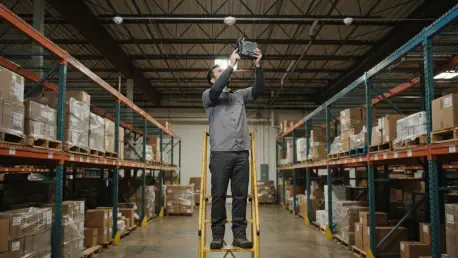
Facility managers can query the system about specific energy consumption metrics, such as which area of a building used the most power during a particular timeframe. They can also ask for status updates on hardware, inquiring if any sensors in a warehouse or office floor are currently failing or offline.
Additionally, the AI can be asked about maintenance schedules or predictive needs, such as which light points are nearing the end of their operational lifespan based on operating hours. These conversational queries replace the traditional method of generating and filtering complex spreadsheets or manual reports.
Enhancing Urban Infrastructure and Outdoor Lighting
Urban environments benefit from proactive management features that increase the reliability of street lighting and recreational facilities while optimizing maintenance budgets. These tools provide cities with the transparency needed to manage large-scale assets effectively.
What is the purpose of the Smart Faults proactive management feature?
Smart Faults is designed to identify operational anomalies before they turn into critical failures that require emergency attention or cause safety issues. It analyzes patterns such as abnormal energy spikes or intermittent communication issues to flag potential problems early in the maintenance cycle.
This proactive approach ensures that city managers can address hardware replacements or wiring issues more effectively by automating follow-up actions. By catching these faults early, the system prevents larger outages and maintains a consistent level of safety and visibility for urban residents.
How does the system improve maintenance efficiency in smart cities?
Efficiency is improved by correlating various data events to automate follow-up actions and prioritize work orders for field technicians. This reduces the number of unnecessary site visits, which are often costly and time-consuming for municipal maintenance crews managing thousands of light points.
The system also ensures that asset records remain accurate by automatically logging hardware changes and operational statuses across the network. This transparency allows for better resource allocation and ensures that maintenance efforts are directed where they are most needed to keep the city running.
How can sports facility managers track energy usage without new hardware?
New software features allow managers of sports complexes to monitor electricity consumption on a per-field or per-court basis without physical meters. This is achieved through virtual metering and data modeling based on the actual operation of the connected fixtures.
Managers can view historical trends and average usage statistics to better understand how recreational spaces are being utilized at different times. This data helps in budget planning and allows facilities to accurately charge for lighting usage during specific events or private practice sessions.
In what way are Connected Solar Lighting features becoming more integrated?
Solar lighting assets are being integrated into broader smart city platforms through secure APIs that allow for centralized management of renewable energy. This shift moves solar technology out of isolated systems and into the main asset fleet managed by city authorities.
Through these interfaces, managers can view energy levels, battery status, and fault reports for solar-powered lights alongside traditional grid-connected units. This unified view simplifies the oversight of sustainable infrastructure and helps cities track their progress toward green energy goals.
Streamlining Indoor Operations and Building Efficiency
Advanced dashboards and commissioning tools are designed to maximize the performance of indoor spaces, ensuring that lighting systems work in harmony with other building utilities. These tools focus on reducing installation time and providing long-term operational clarity.
What information does the Interact Building Insights dashboard provide?
The dashboard provides a centralized view of system health and energy performance for indoor environments like hospitals, schools, and offices. It offers granular data regarding device operating hours, which is critical for planning preventative maintenance and managing fixture lifecycles.
Beyond basic performance, the dashboard identifies spare part requirements and tracks overall system efficiency over time against predefined benchmarks. This high-level overview helps facility managers identify areas where energy can be saved or where lighting levels need to be adjusted to suit occupants.
How does the Interact Builder toolset accelerate the commissioning process?
The toolset simplifies the initial setup of lighting systems through Bluetooth-assisted workflows and offline capabilities for field technicians. These features allow teams to configure the network without needing a constant internet connection, which is often unavailable during early construction.
By streamlining the off-site and on-site configuration steps, the software reduces the time required to get a building’s lighting system operational. This efficiency is further supported by intuitive interfaces that guide the user through the grouping and naming of devices on the floor.
Which hardware components enable lighting systems to communicate with HVAC and security?
The LCN1870 Gateway serves as the primary bridge that allows the lighting network to communicate with other building management systems via the BACnet protocol. This industry-standard protocol ensures that lighting data can be shared with heating, ventilation, and air conditioning units for total control.
Additionally, hardware like the KT200 Sensor DALI Extender Kit expands control to a wider range of fixtures and sensors. These components work together to create a unified building ecosystem where occupancy data from the lighting system can trigger responses in the HVAC or security systems.
How does the system integrate traditional third-party wall switches?
A specialized Push Button Interface Module is used to connect traditional, non-digital wall switches into the smart digital ecosystem. This allows users to maintain a familiar physical experience while still benefiting from the automation and intelligence of a connected lighting system.
The module translates physical button presses into digital signals that the lighting controller can interpret and act upon. This ensures that even older building infrastructures or preferred aesthetic hardware can be part of a modern, data-driven lighting strategy without requiring specialized switches.
Evolution of Smart Lighting Intelligence
The focus of connected lighting has moved beyond basic controls to become a foundational element of data privacy and cross-system intelligence. This evolution reflects a growing need for systems that are both secure and capable of deep data synthesis.
How has the focus of connected lighting shifted beyond remote control?
The industry has moved toward using lighting as a data backbone for entire facilities, prioritizing actionable insights over simple on-and-off functions. Modern systems are expected to contribute to sustainability goals and provide detailed analytics on how spaces are used throughout the day.
This shift means that lighting is now viewed as a strategic asset that informs decision-making for energy reduction and maintenance optimization. It serves as a dense network of sensors that provides valuable occupancy and environmental information to other building systems.
How is Signify addressing data privacy for European customers?
To meet strict regulatory requirements and address privacy concerns, the company has implemented dedicated Europe-based cloud services for its customers. This ensures that data residency standards are met and that customer information is handled within the appropriate legal jurisdictions.
By providing localized cloud infrastructure, the system offers a secure environment for sensitive building and operational data. This approach builds trust with customers who require high levels of compliance and protection for their information in a digital-first world.
What are the benefits of using AI to bridge hardware and software datasets?
Using AI to bridge these datasets allows for the synthesis of disparate information into a cohesive operational picture that humans might not easily see. It enables the system to identify correlations between hardware performance and environmental factors that impact long-term reliability.
This integration leads to more accurate predictive maintenance and a better understanding of how lighting affects occupant well-being and productivity. Ultimately, bridging these datasets creates a more responsive and efficient system that adapts to the real-world needs of its users.
The recent innovations in the Interact platform demonstrate a clear commitment to making smart lighting more accessible, efficient, and integrated. By combining AI-driven insights with robust hardware and open connectivity standards, these systems provide a powerful foundation for the future of building and urban management. Owners and operators now have the tools to turn lighting data into significant energy savings and improved operational resilience.