
A robust pipeline of twenty-five clean energy projects is currently reshaping the city’s economic landscape through the strategic conversion of vacant industrial sites. The Green Building Alliance (GBA) has spearheaded this movement through the Resilient Reading initiative, a program designed to modernize the urban core by assisting commercial property owners and nonprofits in optimizing their facilities. By bridging the divide between environmental stewardship and economic viability, the GBA ensures local entities can reduce utility overhead while navigating the complexities of green financing. This initiative represents more than just a renovation project; it is a foundational shift in how the city manages its physical assets. Through technical coaching and advocacy, the organization has turned sustainability into a tangible asset for the business community, fostering an environment where growth and environmental responsibility are deeply interconnected. The effort focuses on the realization that outdated buildings often pose a hurdle to profitability in urban centers like Reading.
Building Modernization: Applying Technical Precision to Facility Management
The success of the Resilient Reading initiative is rooted in a highly personal and data-driven approach to facility management that treats every building as a unique system. Between 2026 and 2027, the Green Building Alliance engaged with over 600 partners and property owners across the region, providing more than 300 hours of direct technical assistance to help them understand their energy usage patterns. This outreach was not merely conceptual; it involved a hands-on methodology that prioritized practical solutions over abstract environmental goals. By connecting directly with stakeholders, the GBA experts were able to identify the specific economic barriers that prevented small businesses and nonprofit organizations from upgrading their infrastructure. This collaborative framework allowed for a streamlined transition from consultation to project implementation, ensuring that the benefits of green technology were accessible to all. This proactive engagement strategy served as the primary engine for the region’s current transformation.
The assessment process typically begins with a granular review of energy bills to identify unexplained spikes in consumption that often go unnoticed by busy facility managers. These data-driven starting points lead to comprehensive physical building walkthroughs where experts identify cost-effective improvements that offer immediate financial relief. Recommendations often range from simple air sealing and weather stripping to more sophisticated insulation and envelope assessments that stabilize internal temperatures and reduce the strain on aging mechanical systems. By focusing on these high-impact, low-cost modifications, the Green Building Alliance empowers owners to take control of their overhead costs without requiring massive upfront capital investments. These technical audits provide a clear roadmap for modernization, allowing property owners to prioritize upgrades based on the fastest return on investment. This methodical approach ensures that every dollar spent contributes directly to operational efficiency and long-term market value.
Urban Revitalization: Breathing New Life Into Industrial Legacies
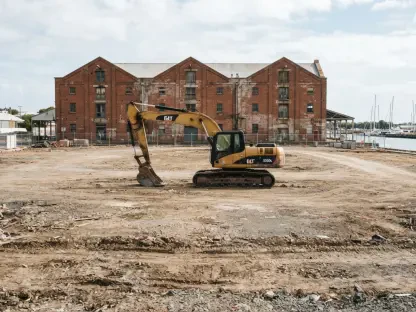
Strategic redevelopment projects are breathing new life into the city’s vacant industrial sites, turning them into productive hubs for modern industry while maintaining their historical character. A standout example is the Reading Cable Company’s relocation into a factory once occupied by the E-Mac Dairy Brush Company. The Green Building Alliance played a pivotal role in this transition by helping the owners manage a complex renovation that involved addressing significant water damage and upgrading outdated mechanical and electrical systems. Beyond structural repairs, the GBA facilitated the installation of high-efficiency LED outdoor lighting and other systems that align the facility with modern standards. This project serves as a model for the Resilient Reading philosophy: preserving the legacy of domestic manufacturing while ensuring that physical plants operate with maximum efficiency. By rehabilitating these spaces, the initiative helps keep manufacturing jobs within the city limits and prevents the further expansion of urban blight.
Similarly, the renovation of the century-old Industrial Abrasives building at 642 N. 8th St. benefited from expert guidance in capital planning and high-performance system upgrades. By conducting thorough energy and building envelope assessments, the Resilient Reading team helped the owners understand how to preserve the historic integrity of the structure while modernizing its performance. Another significant project involves Valsage LLC, which occupies an 11,000-square-foot former manufacturing site. In this case, the team provided preliminary assessments that led to recommendations for high-performance HVAC systems, LED lighting, and advanced building controls. Furthermore, the GBA assisted the owners in applying for Act 129 energy rebates, which significantly offset the costs of these technological improvements. These case studies demonstrate that even neglected industrial properties can be revitalized into energy-efficient assets that support the local economy and provide high-quality workspaces for the current workforce.
Economic Growth: Scaling Local Success Through Global Standards
Reading’s commitment to sustainable infrastructure has unlocked massive financial opportunities, including a prestigious $250,000 planning grant from ICLEI and the Coalition for Green Capital. This funding is specifically earmarked to support building revitalization efforts that prioritize electrification and clean energy integration. Currently, this seed money has helped build a development pipeline valued at over $225 million, featuring projects such as the installation of 1.78 megawatts of municipal solar canopies and the restoration of brownfield sites like the Glidden Paint Factory. Beyond large-scale industrial projects, the initiative has secured targeted grants for local institutions. For instance, the Berks County Community Foundation recently awarded substantial funding for Berks Catholic High School to upgrade its stadium lighting to energy-efficient LEDs. This multi-tiered financial strategy ensures that the benefits of green modernization are distributed across the entire community, from industrial plants to educational facilities.
The success in Reading was part of a broader mission for the Green Building Alliance, which operated as a United Nations-recognized International Center of Excellence on High Performance Buildings. By applying global standards—similar to those utilized in the massive Pittsburgh 2030 District—the organization provided a scalable model for mid-sized cities seeking to modernize their infrastructure. The Resilient Reading initiative proved that technical coaching and financial advocacy could effectively transform an aging urban landscape into a vibrant, sustainable environment. Community empowerment remained a central pillar, as monthly educational programs demystified complex financing tools like C-PACE and sophisticated building automation systems. Stakeholders discovered that transparency and shared knowledge were just as important as the physical renovations themselves. The city established a framework for long-term prosperity that balanced industrial heritage with the rigorous efficiency demands of a modern and competitive global economy.