
Fire Chief Michael Gibson emphasized that home-hardening standards are essential for creating safer operational environments where firefighters can effectively protect the community. This conviction became the cornerstone of a transformative legislative movement on Kauaʻi, culminating on Monday, November 16, 2026, when Mayor S.K. Kawakami signed Bill 2998, Draft 3. This landmark ordinance establishes comprehensive, islandwide wildfire safety standards for new residential construction, marking a proactive shift in the county’s approach to urban planning and public safety. As the climate landscape shifts, local government officials have recognized that traditional building methods are no longer sufficient to protect residents from the increasing threat of rapid-onset brushfires. By prioritizing resilient construction, the county is not merely reacting to past tragedies but is actively engineering a future where the island’s unique beauty is matched by the durability of its homes against the destructive power of fire and unpredictable winds.
Establishing New Islandwide Safety Standards
New Compliance: Which Buildings Must Follow the Code?
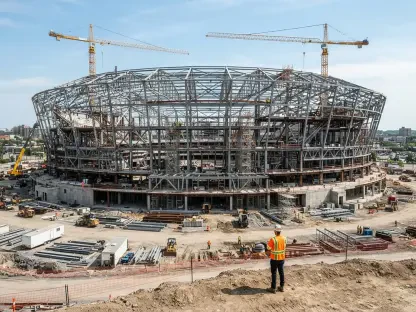
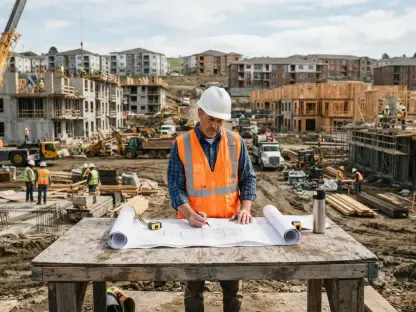
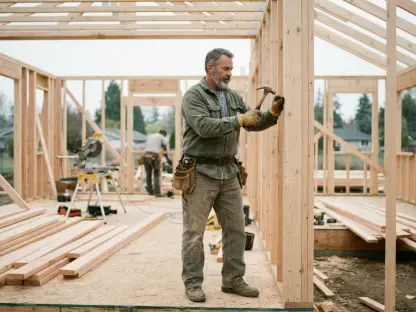
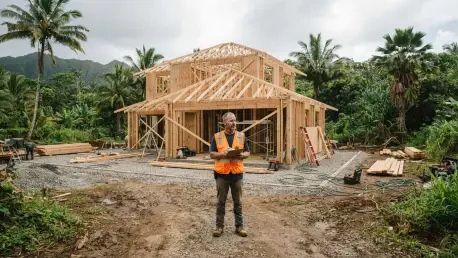
The primary focus of Bill 2998 is the evolution of the local housing stock through strict requirements for all new residential builds. The ordinance mandates that any substantial improvements to existing homes must also adhere to these modern wildfire-resistant standards, ensuring that older properties gradually integrate into the new safety framework. By focusing on the growth of the island, the law avoids placing an immediate, heavy financial burden on current residents while ensuring that every new addition to the community is built to survive extreme environmental conditions. This measured approach allows for a sustainable transition toward islandwide resilience without disrupting the current real estate market for those not seeking major renovations.
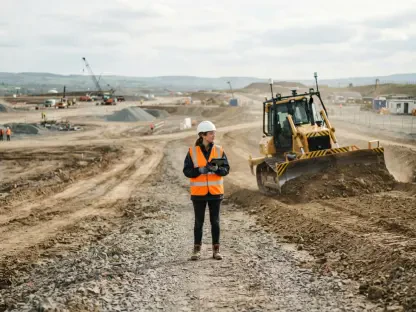
Beyond individual residences, the scope of the legislation extends to larger developments, requiring developers to implement advanced land-use strategies. These include the establishment of specific property setbacks and the creation of reliable emergency access routes designed for heavy fire apparatus. The ordinance is set to take full effect on October 1, 2027, which provides a necessary grace period for local architects and construction firms to pivot their operations effectively. This strategic timeline allows the industry to adjust procurement and design phases to meet the high bars set by the new regulatory environment, ensuring that the next generation of Kauaʻi homes is inherently safer from the ground up.
The Catalyst: Why the Lahaina Tragedy Drove Policy
Policy shifts of this magnitude rarely occur in a vacuum, and for Hawaiʻi, the devastating fires in Lahaina served as a somber turning point for safety regulations. Mayor Kawakami and county planners observed that in wind-driven fire events, the destruction of homes is rarely caused by a direct wall of flames but rather by a bombardment of airborne embers. These burning fragments can travel significant distances, finding small vulnerabilities in home exteriors and igniting structures from the inside out. This realization shifted the focus from broad firebreaks to the detailed hardening of individual home envelopes, as protecting the structure itself is the most effective way to prevent catastrophic neighborhood loss.
Statistics from the USDA Forest Service provided the empirical backbone for this legislative urgency, revealing a stark reality for the Garden Isle. The data indicated that homes on Kauaʻi face a wildfire risk higher than approximately 91% of all counties across the United States. This high-risk profile demanded a specialized architectural response that standard building codes simply could not provide. By learning from the regional tragedies of the past few years, Kauaʻi has opted to pioneer a localized approach that prioritizes the specific atmospheric and topographical challenges found within the Hawaiian archipelago, setting a new benchmark for proactive disaster mitigation in the Pacific.
Implementing Science-Based Fire Mitigation
Technical Standards: What Are the Specific Hardening Requirements?
At the heart of the new ordinance is the science of home hardening, a technical approach that utilizes specific materials to minimize ignition potential. One of the most vital requirements is the creation of a five-foot noncombustible perimeter around every new structure. This zone must be kept free of flammable vegetation, wood mulch, or other debris that could act as fuel during a fire. By creating this buffer, the law aims to prevent ground-level fires from ever reaching the main structure, providing a critical first line of defense that can be maintained easily by any homeowner. This simple spatial requirement drastically increases the likelihood of a building surviving a passing fire front.
The technical standards also address the vulnerability of attics and crawlspaces by requiring the installation of specialized ember-resistant vents. These devices are engineered to allow airflow while physically blocking the entry of wind-blown embers that often lead to total home loss. Additionally, the law mandates the use of covered metal gutters to stop the accumulation of dry leaves, which often serve as a primary ignition point. These standards were meticulously developed over the last two years to ensure they remained practical for local construction while providing maximum protection. By addressing these often-overlooked entry points, the county is closing the gap between standard construction and fire-survivable design.
Economic Incentives: How the $14,000 Waiver Supports Builders
To balance the necessity of safety with the ongoing challenge of housing affordability, the new legislation introduces a significant financial incentive for developers. Projects that comply with the islandwide wildfire regulations are now eligible for a $14,000 waiver from the Kauaʻi Department of Water facilities reserve charge. This strategic move was designed to mitigate the potential increase in building costs associated with specialized materials. County analysis suggested that this waiver could actually make a new, fire-resistant home less expensive to construct than a house built under the previous building codes, effectively removing the financial barrier to adopting these life-saving technologies.
The Planning Committee spent months debating the potential for increased construction costs, eventually determining that the long-term protection of lives justified the new regulations. However, the inclusion of the waiver essentially offsets the price of specialized materials, such as ember-resistant venting and noncombustible siding. By making safety financially viable, the county encouraged a higher standard of craftsmanship. This approach moved the conversation away from regulatory burdens toward a shared vision of community stability, ensuring that the transition to a more fire-resilient island remained accessible to local families and small-scale developers alike.
Securing the Island’s Long-Term Future
Market Stability: Can New Standards Lower Insurance Costs?
The economic implications of Bill 2998 extend far beyond construction costs, reaching into the volatile world of the homeowners insurance market. In recent years, many residents across high-risk regions have seen their premiums skyrocket or their policies canceled altogether as insurers reassess climate risks. By aligning Kauaʻi’s building codes with the Insurance Institute for Business and Home Safety benchmarks, the county is providing a clear signal of reduced risk. This alignment is designed to restore confidence among insurance providers, demonstrating that new homes are built to withstand the very disasters that previously led to market flight and left homeowners vulnerable.
Stabilizing these costs is essential for maintaining the viability of homeownership for the local workforce. When insurance becomes unaffordable, the entire housing ecosystem suffers, leading to decreased property values and increased financial strain on families. The new standards act as a form of economic shielding, positioning the island as a leader in disaster resilience. By proving that the housing stock is becoming significantly more durable, the county aims to secure long-term affordability, ensuring that insurance companies remain active and competitive within the local market. This foresight helps protect the financial equity of residents while building a more stable island economy.
Shared Responsibility: Why Multi-Agency Collaboration is Essential
The development of these safety laws was not the work of a single department but rather a unified effort involving the Kauaʻi Fire Department, the Emergency Management Agency, and technical experts. This collaboration ensured that the building codes were grounded in real-world firefighting tactics and emergency response needs. For instance, the inclusion of better access routes directly supports the operational efficiency of first responders. When firefighters can navigate neighborhoods safely and rely on the fire resistance of the structures themselves, they can focus their resources on containment rather than just evacuation and rescue, which saves precious time during critical incidents.
Looking toward the future, the integration of these standards represented a collective commitment to the concept of kuleana, or responsibility. Public officials recommended that homeowners and developers alike view these codes as a living framework that requires ongoing maintenance of defensible spaces. Moving forward, the county established a pathway for regular safety audits and community education programs to ensure the resilience of the island continues to grow. By adopting these science-based measures, the community successfully implemented a blueprint that other high-risk regions can follow to protect both lives and property. Future initiatives will likely focus on providing grants for the voluntary retrofitting of older homes.