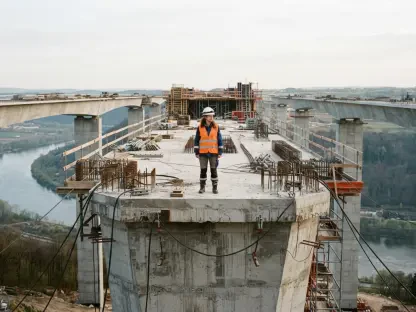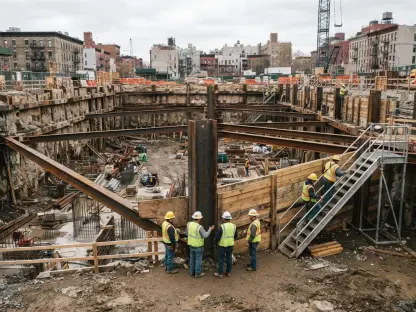

By targeting ‘no ticket, no start’ signs and industrial coercion, the recommended Code seeks to remove barriers that currently hinder a competitive and efficient building sector. This pivotal shift in the oversight of Queensland’s building and construction industry comes as a response to an interim report from the Commission of Inquiry into the CFMEU, led by Commissioner Stuart Wood AM KC. By issuing urgent recommendations ahead of the final report, the Inquiry has signaled a sense of crisis regarding the current regulatory framework, which many experts believe is ill-equipped to handle the unprecedented volume of public infrastructure work currently in the pipeline. With an estimated $119 billion in state-funded projects scheduled over the next four years, the Commissioner argues that the economic sustainability of the entire region depends on immediate intervention to prevent systemic cost escalations and industrial misconduct from siphoning away taxpayer funds. The proactive nature of this report highlights a deep-seated concern that waiting until the formal conclusion of the inquiry in late 2027 would leave billions of dollars vulnerable to established, inefficient practices.
Reforming Workplace Dynamics and Industry Standards
Eliminating Restrictive Site Practices
The proposed Code of Practice is specifically designed to dismantle long-standing workplace arrangements that have historically stifled productivity and inflated project budgets across the state. One of the primary targets involves the removal of labor limits, which are often used to artificially cap the number of workers a contractor can deploy on a specific site. Such restrictions prevent firms from optimizing their workforce based on actual project needs, leading to delays and unnecessary overhead. Furthermore, the Inquiry highlights the detrimental impact of “one in, all in” clauses that mandate overtime or severance payments for an entire crew regardless of individual merit or the specific requirements of the construction phase. By stripping away these rigid mandates, the new Code aims to return managerial prerogative to employers, ensuring that staffing levels and work schedules are determined by the logical progression of the build rather than by blanket labor requirements that ignore the unique demands of complex infrastructure tasks.
In addition to addressing staffing numbers, the draft Code focuses on restoring the ability of contractors to utilize a diverse and flexible labor pool. For years, various site agreements have placed severe limitations or total bans on the use of temporary workers, staffing agencies, and independent contractors. These restrictions have made it incredibly difficult for construction firms to scale their operations quickly in response to changing project timelines or unexpected site conditions. By prohibiting these bans, the Inquiry intends to foster a more dynamic labor market where builders can engage specialized skills as needed without fear of industrial reprisal. This shift is viewed as essential for maintaining the momentum of Queensland’s large-scale projects, particularly as the demand for skilled labor continues to outpace supply. The ability to hire on a flexible basis allows companies to manage their risk more effectively and reduces the financial burden associated with maintaining a permanent, full-time workforce during periods of low activity on a site.
Curbing Industrial Coercion and Intimidation
The draft Code takes a hardline stance against practices that undermine the principle of freedom of association and create an atmosphere of industrial intimidation. Central to this effort is the prohibition of “no ticket, no start” policies and the conduct of “show card” days, where workers are pressured to prove their union membership before being allowed on a job site. These practices not only violate individual rights but also create a closed-shop environment that discourages non-union contractors from participating in major public projects. By explicitly banning the display of signs or the promotion of policies that mandate union membership, the Inquiry seeks to open the market to a wider range of participants, thereby driving down costs through increased competition. The Commissioner’s report suggests that these coercive tactics have become deeply embedded in the industry’s culture, necessitating a formal regulatory “cleansing agent” to ensure that site access is based on qualification and contractual agreement rather than union affiliation.
Another critical component of this reform involves addressing the pressure placed on contractors to agree to wage rates and conditions that are significantly higher than labor awards. Historically, project-wide agreements have been used to set blanket terms for every employer on a site, regardless of their specific role or financial capacity. The proposed Code discourages these broad arrangements, favoring single-enterprise greenfield agreements instead. This change is intended to allow individual companies to negotiate terms that reflect their specific business models and economic realities. By decoupling a subcontractor’s wage obligations from those of the general contractor, the industry can avoid the “inflationary spiral” that occurs when the most expensive labor terms become the default for every worker on a project. This focus on individual enterprise bargaining is expected to stabilize project costs by ensuring that labor expenses are grounded in the specific value and requirements of the work being performed, rather than being dictated by a centralized, site-wide mandate.
Expanding Jurisdiction and Regulatory Oversight
Extending Standards to Private Commercial Work
One of the most ambitious and potentially controversial aspects of the proposed Code is its jurisdictional reach beyond taxpayer-funded projects. Under Clause 2.4, the standards of conduct required for government work would also apply to a contractor’s private commercial sites. This means that if a company chooses to bid for a Queensland Government project, it must maintain compliance with the Code’s rules regarding legal obligations, workplace arrangements, and freedom of association across its entire Queensland-based portfolio. The Commissioner justifies this extension as a necessary tool for achieving a genuine, long-term cultural shift. By ensuring that contractors cannot operate under one set of rules for the public sector and another for the private sector, the Inquiry aims to create a consistent “new normal” for labor relations throughout the state. This approach prevents the development of two-tier systems where restrictive practices are merely shifted to private sites while a firm maintains a “clean” facade for government contracts.
To further tighten the net around non-compliant behavior, the Code includes provisions for “related entities,” which effectively prevents companies from bypassing the rules through clever corporate restructuring. If a parent company, a subsidiary, or an entity sharing a director submits a bid for a covered project, all associated branches of that corporate family must adhere to the Code on their relevant sites. This comprehensive coverage is designed to stop the practice of using shell companies or sister organizations to engage in prohibited workplace arrangements while the primary firm remains eligible for public money. While the administrative requirements, such as submitting a Labor Relations Management Plan, do not extend to private work, the core conduct standards remain mandatory. This creates a high-stakes environment for large-scale builders, as a single breach on a private commercial site could lead to their exclusion from the lucrative $119 billion public infrastructure pipeline, thereby incentivizing self-regulation and strict internal compliance across all business operations.
Establishing a Robust Dedicated Regulator
To ensure that the new Code is more than just a set of suggestions on paper, the Inquiry has recommended the establishment of a dedicated, well-resourced regulatory body. This organization is proposed to launch with a staff of 20 to 30 professionals, including specialized investigators and legal counsel, to provide constant oversight of the industry. Unlike previous attempts at regulation which were criticized for being understaffed and ineffective, this new regulator would have the capacity to conduct proactive audits and respond quickly to reports of misconduct. The Commissioner emphasizes that a strong physical presence is required to deter the type of industrial coercion that has previously plagued the sector. By having a specialized team focused solely on construction industry compliance, the government can ensure that the “stick” of potential sanctions remains a credible threat to those who might otherwise ignore the procurement guidelines. This regulatory infrastructure is seen as the backbone of the reform, providing the necessary enforcement to make the new standards stick.
Geographic coverage is also a primary concern for the proposed regulator, with recommendations to establish offices in both Brisbane and Northern Queensland, specifically in Townsville or Cairns. This dual-base strategy ensures that major projects across the entire state, including regional highway upgrades and energy infrastructure, receive equal levels of scrutiny. The Inquiry notes that misconduct is not confined to the capital city, and a regional presence is vital for engaging with contractors and workers in distant locales. This localized oversight allows investigators to develop a better understanding of regional market dynamics and build relationships with local stakeholders, which can lead to more effective intelligence gathering and dispute resolution. The goal is to create a regulatory environment where compliance is monitored in real-time, rather than being addressed through reactive, long-term inquiries. This persistent and distributed oversight is intended to ensure that the cultural improvements initiated by the CFMEU Administrator are reinforced by permanent, structural government monitoring.
Addressing Stakeholder Concerns and Future Implementation
Navigating Industry Support and Union Opposition
The introduction of the proposed Code has sparked a significant debate between various stakeholders within the construction ecosystem. Industry groups, such as Master Builders Queensland and the Queensland Major Contractors Association, have largely welcomed the move toward a more structured and cost-effective regulatory environment. However, these organizations have also raised valid concerns regarding the administrative burden the Code might place on general contractors. There is a specific worry that requiring a lead firm to “ensure” the compliance of every single subcontractor on a site is an unworkable standard that could lead to excessive legal risk. Many industry advocates are calling for a more reasonable “promote” standard and are suggesting that the Code should only apply to projects valued at over $100 million. This threshold would protect smaller, local builders from being buried in paperwork while focusing the regulator’s resources on the large-scale infrastructure projects where cost escalations are most damaging to the public purse.
On the other side of the spectrum, trade unions have voiced intense opposition to the proposed measures, characterizing them as an unnecessary attack on workers’ rights and collective bargaining. Groups like the Queensland Council of Unions argue that the existing legal framework is already sufficient to handle instances of industrial misconduct and that a specialized Code will only serve to tip the scales in favor of large corporations. Union-backed experts have presented data suggesting that construction productivity in Queensland has actually performed well compared to the national average over the last several decades, challenging the narrative that the industry is in a state of terminal decline. These stakeholders worry that the Code will lead to a “race to the bottom” regarding wages and safety standards as contractors compete solely on price. The tension between these two viewpoints underscores the difficulty the government faces in balancing the need for economic efficiency with the protection of long-standing labor standards, making the final implementation of the Code a delicate political balancing act.
Frequently Asked Questions Regarding the Proposed Code
What are the primary goals of the new Construction Code of Practice?The Code is designed to act as a strategic procurement tool aimed at stabilizing the skyrocketing costs of public infrastructure by eliminating restrictive work practices that have historically led to budget blowouts. By fostering a more competitive and open bidding environment, the government hopes to ensure that taxpayer funds are used as efficiently as possible, allowing for more projects to be completed within the $119 billion pipeline. Additionally, the Code seeks to restore individual freedom of choice regarding union membership and to return operational control to the managers of construction firms, thereby improving overall site productivity and project timelines.
How will the government enforce compliance with the new standards?Compliance will be monitored by a newly established, dedicated regulatory body equipped with investigators and legal experts who have the authority to audit sites and investigate complaints. The primary enforcement mechanism is administrative; if a contractor is found to be in breach of the Code, they may receive formal warnings, be publicly named for their non-compliance, or face the ultimate sanction of being barred from bidding on any future government contracts. This “exclusion” model relies on the significant financial incentive of state work to drive adherence to the rules, as losing access to the massive public infrastructure market could be devastating for most large-scale construction firms operating in the region.
Will the Code affect small residential building projects?Current indications suggest that the Code will primarily target large-scale public and commercial projects, with the final dollar thresholds still being debated by government officials. Industry representatives have advocated for a threshold as high as $100 million to ensure that smaller, family-owned building businesses are not overwhelmed by the complex reporting and management requirements of the Code. While the conduct standards regarding freedom of association are intended to apply broadly, the administrative focus is likely to remain on the major infrastructure projects that drive the state’s economy. This approach ensures that the most significant risks to public funds are addressed without placing an undue regulatory burden on the small-scale residential sector that serves individual homeowners.
Strategizing for Future Industry Stability
In evaluating the path forward, the Inquiry emphasized that the structural integrity of the construction sector requires a permanent shift in how labor relations are managed during the procurement process. By moving toward an administrative Code rather than immediate legislation, the government allowed itself the flexibility to refine the system as it gained real-world data from ongoing projects. The focus transitioned toward ensuring that the regulator remained adequately funded and insulated from political shifts, providing a stable foundation for the massive infrastructure expansion through 2028 and beyond. Looking ahead, the success of these measures will likely be measured by the stabilization of project budgets and a reduction in reported instances of site-based coercion. Contractors were encouraged to begin reviewing their current workplace agreements to identify clauses that might conflict with the new standards, ensuring they remained eligible for future bids. This forward-looking strategy aimed to build a more resilient and transparent industry where efficiency and fairness became the primary drivers of success.