
The catastrophic collapse of a three-story residential building into an adjacent excavation pit has exposed the lethal intersection of aging Brooklyn infrastructure and modern construction practices. This tragedy, which claimed eight lives on a typical Wednesday afternoon, serves as a sobering reminder that the city’s relentless drive for vertical expansion often comes at a steep human cost. The site of the disaster was quickly transformed from a bustling residential and commercial hub into a chaotic zone of twisted metal and pulverized masonry. Witnesses described a harrowing scene where the building did not merely settle but was seemingly swallowed by the void created by neighboring excavation efforts. Long before the final structural failure, residents had reported disturbing vibrations and falling debris, indicators that the delicate balance between a historic foundation and a new deep-trench project had been fundamentally compromised. As the dust settles, the focus shifts toward identifying the chain of liability that allowed such a predictable catastrophe to unfold.
Failures in Municipal Oversight and Enforcement
A profound examination of the disaster points directly toward systemic deficiencies within the New York City Department of Buildings (DOB), an agency tasked with safeguarding the public but currently hampered by a chronic lack of resources. The sheer volume of active construction permits across the five boroughs has far outpaced the department’s ability to provide meaningful oversight. Current data highlights a staggering 9% vacancy rate among essential inspector roles, meaning over 160 positions remain unfilled at a time when they are needed most. This staffing gap creates a dangerous environment where high-risk excavation permits are issued without the assurance of consistent on-site verification. Critics argue that when a regulatory body is forced to operate in a perpetually reactive mode, the resulting safety net becomes little more than a bureaucratic formality. This oversight vacuum essentially places the burden of safety entirely on developers, some of whom may prioritize project timelines over rigorous compliance.
In response to the growing public outcry, city officials have initiated a sweeping re-evaluation of current inspection protocols to address the perceived gaps in municipal enforcement. Beyond just filling vacant seats, the administration has ordered immediate audits of more than 160 construction sites currently managed by the entities involved in the Brooklyn collapse. This proactive stance is intended to identify immediate hazards before they escalate into similar tragedies, yet it also highlights the reactive nature of the current regulatory framework. To provide a layer of objectivity, an independent engineering firm was commissioned to conduct a forensic analysis of the collapse, moving the investigation away from internal department reviews. This external scrutiny is vital for restoring public confidence in the city’s ability to manage its own skyline. By bringing in third-party experts, the city hopes to pinpoint exactly where the communication between inspectors and contractors broke down, potentially leading to new legislative mandates.
Contractor Negligence and Excavation Protocol Violations
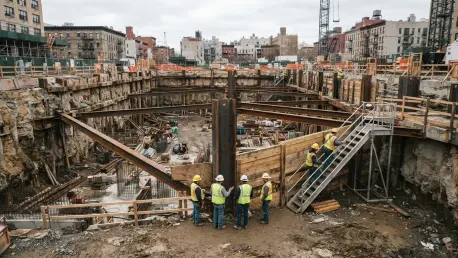
The legal framework governing urban excavation is remarkably detailed, yet its effectiveness hinges on the integrity of the contractors performing the work. Under existing New York City statutes, firms are required to provide 24 to 48 hours of advance notice before initiating high-impact activities like rock blasting or deep trenching. While the contractor in this instance did follow the administrative filing requirements, the actual execution of the work appeared to deviate from the necessary safety margins. The law mandates the use of extensive shoring and bracing to support the earth beneath adjacent structures, preventing the soil from sloughing or shifting into the new pit. However, when the pressure to complete the foundational phase of a project mounts, the installation of these temporary supports is sometimes rushed or insufficiently engineered. The discrepancy between the approved safety plans and the physical reality on the ground suggests a failure of professional responsibility that goes beyond simple clerical compliance.
The investigation has also uncovered a significant disconnect between the developer’s approved project scope and the actual intensity of the site preparation work. Although the permits were originally granted for a modest three-story structure, the developers had recently submitted an ambitious amendment to construct a nine-story mixed-use complex. This change in scale necessitated much deeper excavation and more aggressive drilling than what was initially assessed for risk to the surrounding buildings. One of the most alarming aspects of this case is the lengthy track record of safety violations associated with the general contractor, Townhouse Builders Inc., also known as Promont. Public records reveal that the firm was already under scrutiny earlier this year when the city issued multiple stop-work orders for failing to provide adequate overhead protection. This pattern of behavior suggests a systemic disregard for safety protocols and the structural health of neighboring buildings, yet the firm continued to secure lucrative contracts.
Structural Realities and Future Industry Reforms
While the aggressive excavation was the undeniable catalyst for the collapse, the inherent vulnerabilities of the aging building stock in Brooklyn cannot be ignored. The structure that failed had a documented history of neglect, accumulating over 90 housing code violations since the late 1970s. These citations included critical issues such as chronic roof leaks, exposed electrical wiring, and malfunctioning safety systems, all of which point to a general state of structural fatigue. Engineering experts highlight that structures often provide visible warnings of impending failure, yet these signals are frequently ignored in busy construction zones. In the days before the collapse, the building was effectively crying out through palpable vibrations and the shedding of bricks. According to structural engineers, real-time monitoring through sensors could have provided the precise data needed to trigger an immediate evacuation. Instead, the lack of sophisticated monitoring equipment meant that the incremental movement went unnoticed until it was too late.
Ultimately, the resolution of this crisis depended on the implementation of long-term solutions that moved beyond mere reactive inspections. Legislators successfully introduced new mandates that required real-time structural health data to be shared directly with the Department of Buildings during all excavation phases. This technological integration allowed for the automated suspension of work the moment a neighboring building showed signs of dangerous movement. Additionally, the city reformed its contractor licensing system, ensuring that firms with a history of safety violations faced escalating financial penalties and the permanent loss of their operating permits. These changes represented a fundamental shift in the urban development landscape, where transparency and data-driven oversight became the new standard for the industry. By fostering a culture of professional accountability, the city took decisive steps to ensure that the tragedy served as a catalyst for a safer urban future. The legacy of the collapse lies in the stronger, more vigilant city that emerged.