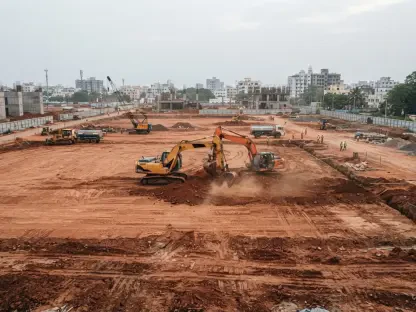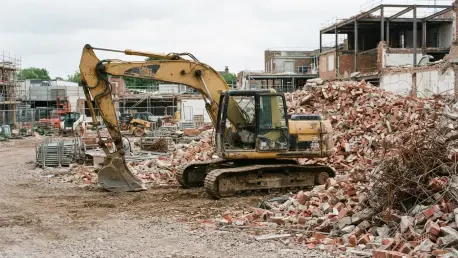

As survivors seek housing assistance through the Mayor’s Fund, the investigation into Robert Fischman and Olufemi Falade continues to gain significant momentum. The tragic collapse at 1321 Flatbush Avenue has left an indelible scar on the Brooklyn community, claiming eight lives and displacing dozens of families in a sudden, violent structural failure. When the residential building gave way and plummeted into the adjacent construction pit at 2625 Bedford Avenue, the response was a frantic search for survivors amidst a mountain of brick and twisted rebar. In the days following this catastrophe, the Flatbush YMCA became a beacon of hope, serving as the primary staging area for first responders and a temporary warehouse for donated supplies. However, as the shock transitions into a long-term struggle for stability, the focus of the relief effort has shifted toward formal and sustainable channels. The scale of the displacement has forced local officials to reevaluate the speed at which emergency housing can be secured for those who lost everything in seconds.
Coordinating Community Relief and Resource Allocation
Transitioning Support to Specialized Local Channels
As the emergency response enters its second phase, the distribution of material resources has transitioned from temporary staging at the YMCA to more specialized local institutions. The Bethesda Church of God has emerged as the central hub for tangible donations, where volunteers are working tirelessly to organize essential supplies like toiletries, diapers, and high-quality clothing. This localized approach ensures that the immediate physiological needs of the survivors are met with dignity and efficiency. Coordination between city agencies and community leaders has been paramount in ensuring that a bottleneck of supplies does not hinder the delivery process. For many families who were forced to flee their homes with nothing but the clothes on their backs, these essential items represent the first step toward regaining a sense of normalcy. The community has demonstrated remarkable resilience, flooding the church with pristine donations that reflect a deep-seated commitment to supporting their neighbors during this period of mourning.
Establishing Long-Term Financial Recovery Frameworks
While material goods address the immediate crisis, the long-term financial recovery of the victims requires a more robust fiscal structure. The Mayor’s Fund to Advance NYC has been designated as the primary vehicle for monetary contributions, offering a transparent pathway for donors to provide lasting financial relief. These funds are slated for distribution through a trusted local community organization, ensuring that the money directly assists with rent, utility bills, and the high costs associated with permanent relocation. This systematic approach to financial aid is designed to prevent survivors from falling into a cycle of poverty following the loss of their primary residence. Advocates stress that while the outpouring of public generosity is heartwarming, the complexities of urban displacement require a sustained commitment from both the public and private sectors. By funneling resources through the Mayor’s Fund, the city aims to create a financial safety net that will remain active until every displaced resident has secured a stable and safe living environment.
Investigating Developer Negligence and Legal Liability
Identifying Patterns of Systematic Site Mismanagement
The investigation into the cause of the collapse has increasingly focused on the actions of the developer at the neighboring site, Robert Fischman. Reports from the Department of Buildings suggest a disturbing pattern of non-compliance, including allegations that the developer ignored an active stop-work order issued prior to the catastrophe. Forensic engineers noted that building plans were significantly altered without the required regulatory oversight, potentially compromising the structural integrity of the adjacent property. This reckless approach to construction in a densely populated urban environment highlights a critical failure in the self-policing mechanisms of the industry. Simultaneously, the owner of the collapsed structure, Olufemi Falade, faces intense scrutiny for a history of property neglect and slumlord-related activities. For years, tenants reportedly filed numerous complaints regarding the structural stability of the building, yet many of these warnings were left unaddressed. This history of neglect creates a complex legal landscape where both parties share liability for the disaster.
Strengthening Construction Safety and Accountability Protocols
The physical landscape of Flatbush has been permanently altered, and the psychological impact of the collapse continues to resonate through the neighborhood as the sound of helicopters has become a grimly normalized part of the atmosphere. To prevent such a catastrophe from recurring, the city must implement a more rigorous, real-time monitoring system for construction sites located adjacent to aging residential structures. Moving forward, potential renters and buyers should be provided with more accessible data regarding a landlord’s history of code violations and a developer’s safety record. The investigation concluded that the interplay between private negligence and regulatory oversight gaps was the primary driver of this tragedy. In the months following the incident, local lawmakers proposed new ordinances requiring third-party structural assessments for all major excavations in high-density areas. These measures were designed to ensure that the pursuit of profit never again takes precedence over human life. Healing depends on holding negligent actors fully responsible for their choices.