
Boutique design firms in Bedford-Stuyvesant are maximizing the utility of urban properties through a combination of spatial planning and aesthetic restoration. This evolution within the New York metropolitan area represents a significant shift toward a more inclusive and technically sophisticated construction sector. As the city continues its relentless pace of development in 2026, Black-owned construction, design, and development firms have emerged as indispensable economic engines. These organizations are not merely participating in the market; they are reshaping the skyline from the ground up, managing everything from intricate brownstone renovations to the reinforcement of massive infrastructure projects. By integrating localized cultural knowledge with high-level engineering and management expertise, these builders provide a unique value proposition that resonates with both private homeowners and government agencies. This ecosystem ensures that New York’s growth remains reflective of its diverse population while adhering to the most stringent safety standards.
Strategic Expertise: Large-Scale Infrastructure
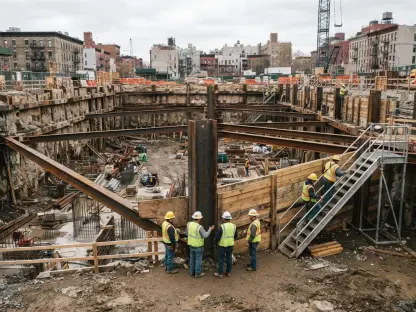
Infrastructure and heavy industrial work represent the most technically demanding segments of the regional construction market, requiring immense capital and specialized knowledge. Companies like A&S Rebar have established themselves as major industrial players by operating massive steel fabrication facilities that serve over 1,000 businesses along the Atlantic Coast. These firms handle the literal backbone of the city, providing the reinforcing materials necessary for bridges, tunnels, and high-rise foundations. Their ability to manage massive logistics and production schedules proves that Black-owned firms are capable of operating at an industrial scale once reserved for multinational corporations. This operational capacity is vital for the city’s continued resilience, especially as demand for sustainable and durable materials increases. By maintaining control over the supply chain, these builders ensure that the structural integrity of New York’s most critical assets remains uncompromised.
Beyond raw material supply, firms such as Skyline Industries manage substantial public sector portfolios that often exceed $100 million in contract value. Their work with the School Construction Authority and major regional airports like LaGuardia demonstrates a high level of trust and technical competency. By focusing on critical hubs and net-zero public buildings, these builders are at the forefront of modernizing New York’s aging infrastructure. They successfully navigate the complex regulatory environments of the Port Authority and state agencies, ensuring that vital public projects are delivered with precision and efficiency. These projects are often high-traffic and high-stakes, requiring a sophisticated approach to site safety and operational continuity. The successful delivery of these projects reinforces the reputation of Black-owned firms as leaders in the high-stakes world of public works, where adherence to timelines and safety is a mandatory requirement for success.
Leading Management: Commercial and Institutional Projects
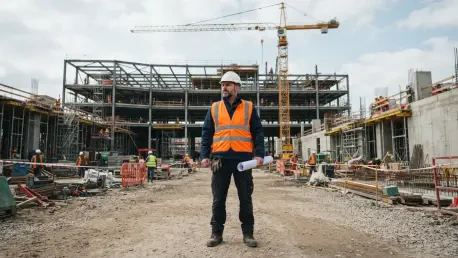
In the realm of commercial and institutional construction, firms like Constructomics LLC represent the elite tier of project management. These companies act as the central nervous system for high-profile builds, coordinating everything from initial site preparation to final interior finishing. By serving prestigious clients like the NAACP Legal Defense Fund and major universities, they prove their ability to handle sensitive, high-stakes environments. Their expertise lies in their ability to manage diverse subcontractors while keeping projects on schedule and within budget for demanding institutional stakeholders. This role requires a deep understanding of contract law, labor relations, and sophisticated scheduling software. As the city sees a rise in specialized institutional facilities, the demand for managers who can bridge the gap between architectural vision and physical reality has never been higher. These firms provide the technical oversight necessary to ensure that complex builds are completed.
Steadfast Construction and similar firms often specialize in the finishing aspects of construction, such as expert millwork, carpentry, and interior specialty work. These details require a high degree of precision and coordination, particularly in high-traffic areas like college recreation centers or corporate headquarters. This focus on the final aesthetic and functional details ensures that institutional buildings are not only structurally sound but also professionally polished. Through these specialized services, Black-owned management firms have become indispensable partners for New York’s educational and non-profit sectors. They bring a level of craftsmanship that elevates the user experience within these public spaces. Moreover, by focusing on interior specialties, they fill a critical gap in the market for high-quality finishing work that meets the rigorous standards of modern architects. This specialization allows them to command a unique niche in the industry, where attention to detail is paramount.
Residential Innovation: Design and Urban Restoration
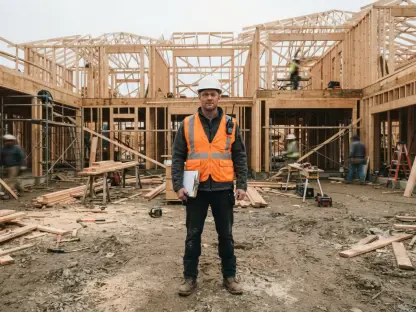
The residential sector in New York presents unique challenges, from navigating co-op board approvals to restoring pre-war brownstones with modern amenities. Firms such as ML Construction & Design and Designs by D&J have mastered the art of maximizing limited urban space through integrated design-build models. These companies handle the entire lifecycle of a home renovation, including architectural permitting and mechanical upgrades. Their work is particularly visible in historic neighborhoods, where they modernize internal systems while meticulously preserving the architectural integrity and cultural heritage of the original structures. This dual focus on innovation and preservation is essential in a city where historic landmark status is common. By offering a unified service, they reduce the friction typically associated with residential construction. Homeowners benefit from a single point of contact, ensuring that their vision is translated accurately into the final build while navigating the city’s building codes.
Furthermore, these residential builders focus on vertical integration to streamline the often-frustrating renovation process for homeowners. By managing both the design and construction phases, they reduce communication errors and provide more accurate cost estimates for gut renovations and luxury upgrades. This model is highly effective in New York’s competitive housing market, where efficiency and high-quality craftsmanship are required to increase property value. These firms are not just building houses; they are preserving the city’s historic fabric while making it functional for modern life. The ability to handle complex permitting for mechanical, electrical, and plumbing upgrades in aged structures requires a specific set of skills that these builders have refined over years of practice. As urban density increases, the expertise required to convert aging units into high-efficiency modern homes becomes a critical asset for the city’s residential stability and long-term sustainability goals.
Forward Progress: Certification and Community Impact
Most Black-owned firms in New York apply for certification through the NYC Small Business Services or the Empire State Development agency to secure a competitive edge. To qualify for MBE, WBE, or DBE status, the business must be at least 51% owned and operated by individuals from minority groups or women. The process involves a rigorous review of financial records, business history, and operational control. Once certified, these companies gain access to exclusive bidding opportunities and resources designed to increase their participation in government-funded projects. This formal recognition is crucial for firms aiming to scale their operations and enter the high-stakes world of public infrastructure. Beyond individual growth, these certifications foster a more equitable construction landscape where diverse perspectives lead to more innovative urban solutions. The integration of these businesses into the public pipeline ensures that the economic benefits of city growth are distributed more broadly.
The trajectory of Black-owned builders in New York demonstrates that success in the construction industry requires a combination of technical mastery and strategic community engagement. By securing certifications such as MBE and DBE status, these firms position themselves to lead the most critical infrastructure and residential projects of the decade. Moving forward, the industry should prioritize the expansion of mentorship programs like Youth Construct to ensure a steady pipeline of talent. Investors and government agencies take note of the efficiency provided by integrated design-build models, suggesting that future contracts should favor firms that offer comprehensive lifecycle management. For developers, the next step involves deepening partnerships with local trades to maintain the architectural soul of New York while upgrading its efficiency. These organizations prove that social impact and profitability are not mutually exclusive, setting a standard for how modern urban centers should be built.