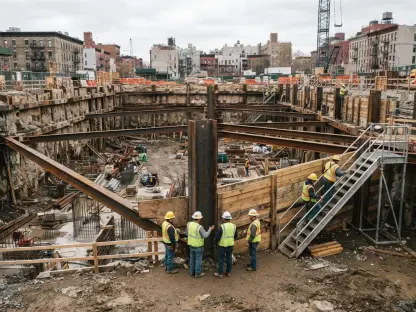

The challenge of transforming skeletal blueprint sketches into physical, livable rooflines has long served as the primary obstacle for developers attempting to mitigate the national housing shortage. For years, the gap between the initial design of an affordable housing project and the final ribbon-cutting ceremony was filled with bureaucratic hurdles and extensive waiting periods. However, a significant shift in federal policy has now paved the way for a more efficient future where high-impact construction projects can move from the drawing board to reality in a fraction of the time previously required.
This transformation centers on the introduction of an expedited processing system designed to bypass traditional bottlenecks. By prioritizing speed without sacrificing rigorous underwriting standards, the Department of Housing and Urban Development has addressed the urgent demand for affordable rental units. The commitment to a 30-day decision-making cycle represents a fundamental change in how the government interacts with the private sector, ensuring that viable projects are no longer stalled by administrative inertia.
Accelerating the Pace: Affordable Housing Development
The national demand for affordable rental units has intensified, pushing federal agencies to move away from outdated approval cycles that often took months to navigate. This shift toward rapid decision-making recognizes that every day a project remains in limbo is a day that a family goes without stable housing. The new commitment to a 30-day decision-making window for firm commitments is not just an administrative goal; it is a strategic necessity for the modern housing market.
Speed has a direct and profound impact on the financial viability of large-scale construction projects. In an environment where material costs can fluctuate and interest rates remain a critical factor, a delay of even a few weeks can derail the entire economic structure of a development. By streamlining the path to a loan commitment, the government provides developers with the certainty needed to secure contractors and stabilize their financing, effectively ensuring that more units are brought to market during the current construction cycle from 2026 to 2028.
The Reform Mandate: Why the Traditional FHA Loan Process Needed Reform
The Section 221(d)(4) New Construction Loan program was traditionally a cornerstone of multifamily financing, yet its complexity often became its greatest weakness. The financial burden of lengthy processing times created significant carrying costs for developers, who were forced to maintain expensive bridge financing while waiting for federal approval. This traditional model treated all applications with a “one-size-fits-all” approach, failing to distinguish between high-risk speculative ventures and the low-risk nature of projects backed by Low-Income Housing Tax Credits (LIHTC).
Evidence has long shown that tax-credit-backed developments possess a remarkably low default rate due to the extensive vetting they receive from state housing agencies. Moving away from a standardized review process toward a risk-based model allowed the federal government to allocate its resources more effectively. By recognizing that these projects already underwent rigorous scrutiny at the local level, the new framework eliminated redundant layers of federal oversight that previously served only to delay progress.
Structural Changes: Key Components of the LIHTC Express Lane Initiative
One of the most impactful changes in this initiative is the removal of unit caps for large-scale developments, which previously limited expedited processing to projects with fewer than 200 units. By eliminating this ceiling, the door was opened for massive affordable housing complexes to qualify for the express lane, facilitating the creation of high-density housing in urban centers. This adjustment acknowledges that larger projects often offer the most efficient way to address the housing deficit at scale.
The integration of bond financing into this streamlined transaction model further reduced administrative friction. Developers can now use 4% tax credits and tax-exempt bonds within a single, cohesive framework that standardizes leverage and increases liquidity. Restoring the 80% loan-to-cost limit and removing the requirement for a 25% deferred developer fee granted sponsors the financial flexibility to manage their projects more effectively. Additionally, focusing on essential financial and architectural data points significantly reduced the burden of pre-application documentation.
Expert Insights: Perspectives and Proven Success Models
Industry leaders like Frank Cassidy have observed that the evolution of federal underwriting standards represents a modernization of the FHA’s internal culture. This evolution drew heavily from the successful Section 232 senior housing model, which proved that HUD could cut closing times drastically without compromising the integrity of its mortgage insurance programs. The success of the senior housing model provided the necessary evidence to implement similar efficiencies for the broader multifamily affordable housing sector.
Evidence of private sector deals closing in record-breaking timeframes has already begun to reshape market expectations. By leveraging the “pedigree” of highly experienced development teams, the government maintained program integrity while operating at a pace that matches private commercial lenders. This collaborative approach ensured that only the most capable actors were granted access to the fast track, creating a system where expertise and reliability were rewarded with speed.
Strategic Planning: Practical Eligibility and Application Strategies
Identifying the specific criteria for “capable and highly experienced” teams became the first step for developers seeking to utilize the express lane. HUD required that the primary sponsors, architects, and contractors demonstrate a proven track record of successful FHA-insured projects. While the program offered immense benefits, certain exclusions remained in place; for example, Section 8 Project-Based rental assistance and projects with significant environmental risks were sidelined to ensure the 30-day window was not compromised by complex remediation or rent analysis.
Developers who successfully navigated this system focused on early coordination with state housing agencies prior to their federal submission. By ensuring that all local approvals and tax credit allocations were firmly in place, they prepared a streamlined application package that avoided unnecessary delays. These proactive steps allowed teams to capitalize on the new federal efficiency, ultimately accelerating the delivery of essential housing units to communities in need. The program established a new benchmark for public-private cooperation and facilitated a significant increase in the volume of affordable units produced during the initial rollout.