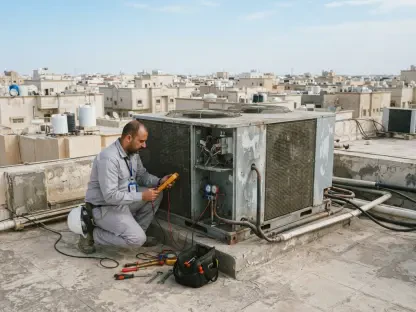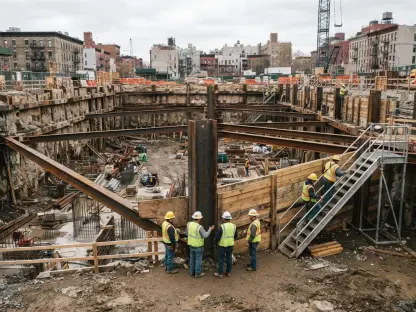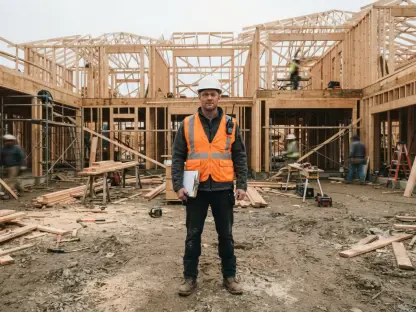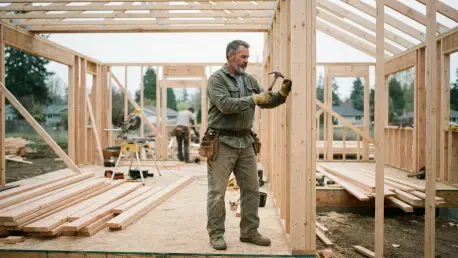

Many veterans find that the trades offer a unique opportunity for control over their own destiny and the potential to eventually own and operate their own independent businesses. This shift in career focus comes at a critical time for the United States, as the residential construction sector struggles with an unprecedented shortage of skilled labor. According to the Home Builders Institute, this deficit has fundamentally altered the landscape of the housing market, stretching completion timelines for single-family homes by nearly two months. In 2024, these bottlenecks caused a reduction of roughly 19,000 potential homes, resulting in a massive economic loss exceeding $8 billion. As demand for affordable housing continues to outpace supply, the industry faces a significant recruitment challenge, needing hundreds of thousands of new workers between 2026 and 2028. Solving this crisis requires a reliable pipeline of disciplined talent, making the transitioning military population a cornerstone for future economic stability.
Addressing the Labor Shortage Through Strategic Training
Implementing the HBI Military Services Program: A Structural Bridge
The HBI Military Services Program operates as a critical bridge designed to convert the raw potential of transitioning service members into specialized technical proficiency. For many years, the industry suffered because there was no formalized pathway to translate tactical military experience into the civilian residential construction sector. This initiative addresses that gap by providing a structured curriculum that covers everything from basic safety protocols to advanced project management. By focusing on the pre-apprenticeship level, the program ensures that individuals leaving the military do not enter the job market with just a general interest in construction, but with verified skills that employers can trust immediately. This structural support is essential for service members who may feel overwhelmed by the lack of a clear hierarchy in the civilian world, providing them with a sense of purpose and a defined objective as they transition out of active duty.
Rather than spreading resources thin across every possible construction niche, the program prioritizes high-demand trades such as carpentry, plumbing, and electrical work. These sectors represent the foundational elements of any housing project and are currently facing the steepest vacancy rates across the nation. By earning recognized certifications through the Home Builders Institute, veterans gain a competitive edge that facilitates immediate placement into mid-level positions rather than entry-level labor roles. This distinction is vital for maintaining the standard of living for veterans and their families during the vulnerable period after discharge. Furthermore, the focus on these specific certifications ensures that the labor force being injected into the market is capable of hitting the ground running, directly contributing to the reduction of those costly construction delays that have plagued the residential housing market recently.
Scaling Impact Through Corporate Partnerships: Industry-Wide Collaboration
The ability to scale these educational efforts is largely driven by deep-rooted collaborations between nonprofit training organizations and major private sector players. Organizations like Invitation Homes have stepped forward with significant financial investments, recognizing that their own business models—which rely on maintaining thousands of rental properties—are vulnerable to the same labor shortages affecting new construction. When corporate entities provide funding to the HBI Military Services Program, it allows for the expansion of training facilities onto more military bases, significantly increasing the geographic reach of the initiative. These partnerships are not merely charitable gestures; they are strategic business decisions aimed at stabilizing the maintenance and construction supply chain. By funneling resources into these programs, corporations ensure a steady flow of qualified technicians who are already familiar with high industry standards.
Beyond capital investment, these alliances create sophisticated employment pipelines that simplify the recruitment process for both the employer and the veteran. For example, a transitioning service member trained through an HBI program on a base in Georgia can be pre-vetted and matched with a property management role in a different state before they even relocate. This level of coordination reduces the friction of the job search and ensures that the skills acquired during training are utilized in the most efficient manner possible. The involvement of tech giants like Google.org and retail leaders like The Home Depot Foundation has further modernized the training infrastructure, introducing digital tools to the classroom. This modernization ensures that the next generation of tradespeople is not only skilled in manual labor but also proficient with the digital project management tools that define contemporary construction sites and logistics.
Aligning Military Skills With Trade Requirements
Why Veterans Excel in Construction Roles: Natural Synergy
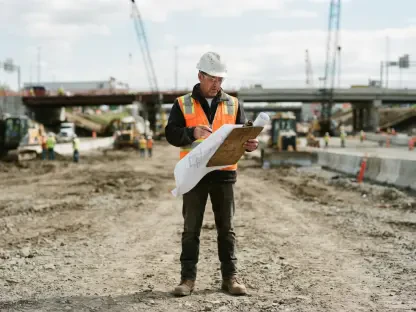
The inherent characteristics of the military demographic align almost perfectly with the demands of a modern construction site, where discipline and task orientation are paramount. In the military, individuals are trained to operate under strict timelines and to follow precise technical instructions, traits that are directly transferable to complex building projects. Whether it is interpreting blueprints or managing the logistics of a supply delivery, the methodical approach ingrained during service prevents the kind of oversight that often leads to costly rework. Furthermore, the physical resilience developed during years of training and deployment makes veterans well-suited for the demanding environments of the trades. While many civilian recruits might struggle with the rigors of outdoor work, veterans often view these challenges as a standard part of a professional day, maintaining productivity where others might falter or lose focus.
Beyond individual discipline, the team-based structure of construction crews mirrors the camaraderie found in military units, creating a familiar and supportive professional atmosphere. Many veterans report that the transition to a traditional corporate office feels isolating or disconnected, whereas the job site provides a shared sense of mission and visible progress. Working toward a tangible goal—such as the completion of a home—provides a psychological satisfaction that is often missing from more abstract service-sector roles. This alignment of values and environment leads to higher retention rates among veteran employees, as they find a sense of belonging and mutual respect among their peers in the trades. The industry benefits from this stability, as long-term employees become the mentors for the next wave of recruits, creating a self-sustaining ecosystem of skilled labor that values reliability and collective success.
Fostering Entrepreneurship and Future Stability: Strategic Growth
For many who have spent years navigating the rigid and often impersonal hierarchy of the armed forces, the appeal of the trades lies in the clear path toward professional autonomy. The construction industry is one of the few remaining sectors where a person can start as an apprentice and, through technical mastery, realistically expect to own their own firm within a decade. This concept of destiny control is a powerful motivator for veterans who want to build something of their own while providing for their families. The industry provides a transparent roadmap for advancement, where licensing and certification serve as the primary hurdles to entrepreneurship. Unlike the corporate ladder, which can be influenced by office politics, the trades reward those who can deliver high-quality results on time. This meritocratic environment allows veterans to leverage their leadership skills to manage their own crews and dominate local markets.
Looking back at the progress made by the end of 2026, the strategic integration of military veterans into the residential construction sector proved to be a decisive factor in stabilizing the national housing market. Industry leaders moved beyond mere awareness campaigns and implemented deep-seated training infrastructures that treated the labor shortage as a priority. To continue this momentum, stakeholders advocated for expanded funding for programs like SkillBridge and encouraged more local construction firms to adopt veteran-first hiring policies. The success of these initiatives demonstrated that the solution to a complex economic crisis often lies in the untapped potential of a dedicated and disciplined workforce. For those considering their next steps, the message was clear: the trades offered more than just a job; they provided a way to serve the nation by building the homes and communities that define the American experience. This path ensured that the transition was a journey toward lasting prosperity.