

The inclusion of configurable power limits in Zigbee mode provides an additional layer of safety for users managing sensitive or high-draw outdoor electrical equipment. This technical advancement represents a significant evolution in the landscape of external smart home peripherals, effectively

Winning the Best Interior Design Scheme Global award for a Palm Jumeirah penthouse validated Kul’s belief that functionality should never be sacrificed for visual impact. This achievement marks a pivotal moment for LUMI Interiors, a firm that has consistently challenged the traditional definitions
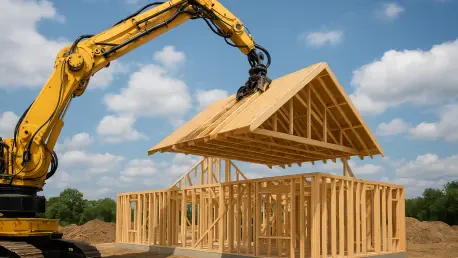
Following a successful pilot program in Alberta with Mattamy Homes, Promise Robotics is now expanding its automated production technology into the United States housing market with D.R. Horton. This landmark multi-year commercial agreement signifies a pivotal shift in how the nation’s largest

The mandatory introduction of a second staircase in residential buildings over eighteen meters has created a significant challenge for developers balancing safety with financial viability. As urban density increases in 2026, the architectural community is forced to confront the reality that
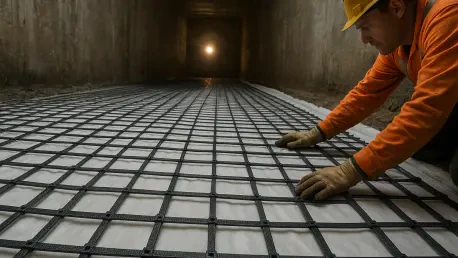
Integrated pultrusion and pullwinding machines enable the high-volume production of hybrid composite bolts that can withstand the chemical demands of tunnel environments. As the global engineering community pushes for infrastructure that lasts over a century, the limitations of traditional

Flagship Companies is spearheading the transformation of the 2.83-million-square-meter Geneva Steel site in Vineyard into a dense, high-rise urban hub modeled after Seoul’s financial district. This ambitious undertaking, known as Utah City, represents a radical pivot from the traditional suburban
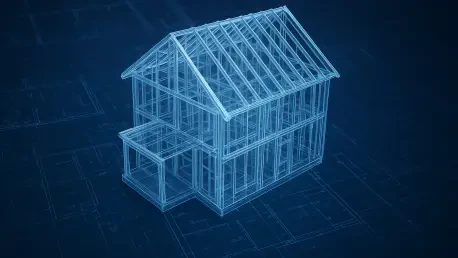
The integration of Python-based symbolic logic allows generative models to transcend mere pattern recognition by enforcing strict adherence to minimum room sizes and ventilation requirements. This advancement marks a critical turning point in architectural automation, moving beyond the era of

The Titan platform represents a major leap in robotic construction by enabling the automated development of multi-story residential buildings. This development follows Icon's announcement of a $200 million Series D funding round, co-led by Baillie Gifford and BlackRock. The capital infusion is
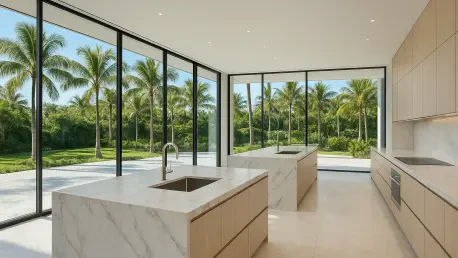
Homeowners frequently encounter expensive change orders when they hire a general contractor before finalizing a detailed scope of work and a comprehensive design plan. This common pitfall underscores the complexity of the current real estate environment in South Florida, where the demand for

The persistence of digital ownership means that a video doorbell could continue broadcasting footage to a former resident's phone long after the physical move is complete. This digital residue presents a significant security challenge for modern homeowners who inherit complex ecosystems of
1 2 3 4 5 6 7 8 9 10 11 12 13 14 15 16 17 18 19 20 21 22 23 24 25 26 27 28 29 30 31 32 33 34 35 36 37 38 39 40 41 42 43 44 45 46 47 48 49 50 51 52 53 54 55 56 57 58 59 60 61 62 63 64 65 66 67 68 69 70 71 72 73 74 75 76 77 78 79 80 81 82 83 84 85 86 87 88 89 90 91 92 93 94 95 96 97 98 99 100 101 102 103 104 105 106 107 108 109 110 111 112 113 114 115 116 117 118 119 120 121 122 123 124 125 126 127 128 129 130 131 132 133 134 135 136 137 138 139 140 141 142


