
The passage of the 21st Century Road to Housing Bill in July 2026 provided a necessary legislative safety net for developers facing the rising costs of residential construction. This landmark legislation serves as the critical backdrop for the successful completion of the Ashbrook Trail Apartments, a modern $9.5 million development that recently opened its doors on the northern edge of Mitchell, South Dakota. This project represents more than just a new building; it is a calculated response to the housing shortage that has strained the resources of the local senior population for years. By repurposing an underutilized 1.8-acre lot along North Minnesota Street, the project effectively integrates a high-density, specialized residential facility into a bustling zone characterized by medical offices, technology firms, and senior care services. The inauguration of this facility marks a pivotal moment for city planners and residents alike, as it demonstrates how targeted investment can create a sustainable ecosystem for independent living. This initiative not only provides a roof for those in need but also stabilizes the local real estate market by offering an alternative to high-priced commercial rentals that often exclude long-time community members living on fixed incomes.
The Foundation and Development of Ashbrook Trail
Land Acquisition: The Legacy of Local Development
The historical significance of the site is rooted in decades of local land ownership and a long-term vision for community growth. The 1.8-acre property remained largely vacant for over thirty years after it was originally acquired in the 1990s by Wayne Puetz. Throughout this period, the land sat in a prime location, yet it was intentionally held until a development plan emerged that truly served the community’s evolving needs. Eventually passed down to Mark Puetz, a former South Dakota Affordable Housing commissioner, the lot became a symbol of potential rather than just an empty space. Puetz waited specifically for a developer who understood that affordable housing for seniors was a moral and logistical priority for Mitchell, rather than simply pursuing the highest commercial bidder for the land.
In mid-2025, the transition from private land to a public-serving residential site began when the Puetz family finalized the sale to the Costello Companies. This developer, widely recognized for its expertise in residential management and specialized construction, moved quickly to capitalize on the site’s potential. Groundbreaking occurred in July 2025, marking the start of a rigorous construction schedule that culminated in a formal ribbon-cutting ceremony on November 5, 2026. The shift from a fallow lot to a three-story independent living center serves as a testament to the power of strategic patience and the impact of aligning private property sales with broader social goals. This collaboration ensured that the land finally fulfilled a purpose that honored its central location and the legacy of its original owners.
Architectural Innovation: Prototype Design for Modern Living
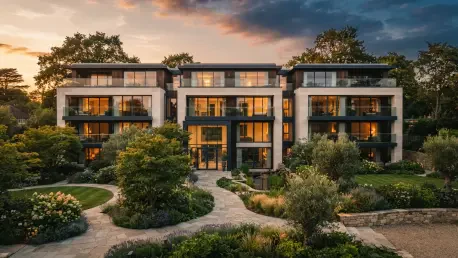
The construction of the Ashbrook Trail building was handled by Watertown-based BlackWing Elite Builders, who utilized the project as a prototype for future senior-focused developments. One of the most critical engineering decisions for the three-story structure was the inclusion of a high-capacity elevator system. While often considered a luxury in some residential contexts, an elevator is an absolute necessity for an independent living facility catering to an aging population. This feature ensures that all residents, regardless of their mobility levels, can access every floor and amenity without the physical strain of stairs. The building’s architectural footprint was designed to be as efficient as possible, maximizing the number of units while ensuring that the overall massing of the structure remains complementary to the surrounding neighborhood and medical offices.
Inside the facility, the design philosophy shifts from structural efficiency to resident comfort and social cohesion. The internal layout was meticulously planned to prevent the feeling of isolation that can sometimes occur in large residential complexes. Wide hallways, accessible doorways, and strategically placed communal zones encourage residents to move about freely and engage with their neighbors. The builders focused on high-quality materials that provide both durability and aesthetic warmth, creating an environment that feels like a home rather than an institution. By serving as a prototype, this building sets a high standard for how future affordable projects can integrate modern engineering with the specific accessibility requirements of the elderly, proving that budget-conscious construction does not have to sacrifice dignity or functionality.
Financial Structure and Residential Accessibility
Living Space: Tailored Solutions for Senior Residents
The complex features 43 distinct units, designed to cater to the diverse living requirements of Mitchell’s senior population. The primary offering consists of 27 one-bedroom apartments, which average approximately 772 square feet in size. These units were designed to be manageable for single residents while providing enough space for personal belongings and daily activities. For those who require more room or live with a spouse or companion, the building also includes 16 two-bedroom units. These larger apartments range from 966 to 1,048 square feet, offering a versatile floor plan that can accommodate a home office or a guest room for visiting family. This variety in unit sizes ensures that the facility can support a broad spectrum of lifestyle needs, allowing seniors to age in place in an environment that suits their specific household size.
Self-sufficiency is a core component of the residential experience at Ashbrook Trail, and every unit reflects this commitment. Each apartment is equipped with modern, energy-efficient appliances, including full kitchens and laundry hookups, allowing residents to maintain their independence without relying on centralized services. Beyond the private quarters, the building incorporates a large community room that serves as the social heart of the complex. Outfitted with a full kitchen, this space is intended for shared meals, holiday celebrations, and organized group activities. By balancing private autonomy with communal opportunities, the facility addresses both the physical and social needs of its residents. The presence of these amenities within an affordable housing framework highlights a shift in how developers view senior living, moving away from basic shelter toward holistic, quality-of-life-centered design.
Economic Framework: The Income-Qualified Rental Model
The affordability of Ashbrook Trail is maintained through a rigorous income-qualified model that links monthly rent directly to the tenant’s financial standing. Rent for the one-bedroom units is scaled between $460 and $1,100 per month, while the two-bedroom units range from $550 to $1,300. These rates are significantly lower than the current market-rate averages in the region, providing a vital safety net for retirees living on social security or modest pensions. To ensure the facility remains focused on its mission, the management has restricted market-rate units to only five out of the 43 total apartments. The remaining 38 units are specifically reserved for individuals whose income falls within the 30% to 60% range of the Area Median Income (AMI), ensuring the housing reaches those who need it most.
In practical terms, this pricing structure opens the doors to individuals with an annual income as low as $20,130, or small households earning up to $51,780. This tiered approach prevents a “one size fits all” financial burden and acknowledges the economic diversity within the senior community. Prospective tenants go through a detailed qualification process to verify their assets and income, a necessary step to ensure that federal and state subsidies are being utilized effectively. By anchoring rent to the AMI, the project mitigates the risk of displacement caused by rising inflation and local property value spikes. This economic stability allows seniors to focus their limited resources on healthcare, food, and other essentials, rather than spending the majority of their income on housing, thereby improving their overall standard of living.
Legislative and Financial Frameworks
Funding Mechanisms: Leveraging the LIHTC Program
The realization of a $9.5 million project like Ashbrook Trail would be virtually impossible without the support of the Low-Income Housing Tax Credit (LIHTC) program. This federal initiative, managed at the state level by SD Housing, provides tax incentives to developers who agree to maintain affordable rental rates for a specified period. In South Dakota, the state receives an annual allocation of credits based on its population, which are then distributed through a competitive application process. Ashbrook Trail received approximately $840,000 in credits, the maximum allowed for an individual project under current state guidelines. These credits are essential for offsetting the high costs of construction and labor, which have historically forced developers to focus exclusively on luxury or market-rate housing.
To maintain compliance and secure these financial benefits, the property must adhere to strict low-income occupancy requirements for a minimum of 15 years. This commitment ensures that the facility remains a dedicated resource for the community long after the initial construction phase is complete. State housing officials emphasize that this program is the lifeblood of affordable development, particularly in mid-sized cities where the return on investment for purely private projects may not be high enough to attract national firms. By participating in this program, the Costello Companies and its partners have entered into a long-term contract with the public, promising that the quality of management and the affordability of the units will be maintained at high standards. This structured funding model provides a reliable pathway for addressing the housing gap across the state.
Policy Navigation: Adapting to Legislative Shifts
The development of Ashbrook Trail occurred during a period of significant legislative flux, requiring the team to adapt to both federal and state-level policy changes. One major challenge arose from national legislation known as the Big Beautiful Bill, which eliminated several energy-related tax credits that developers previously relied on to lower overall costs. However, the state of South Dakota responded by providing a 12% boost in local tax credits, which helped bridge the funding gap created by the loss of federal incentives. This agile response from state legislators demonstrated a clear understanding of the importance of these residential projects. The successful navigation of these shifts highlights the necessity for developers to maintain close relationships with policy makers and to stay informed about the evolving landscape of housing law.
Looking ahead, the 21st Century Road to Housing Bill passed in mid-2026 is expected to streamline future projects by providing even more robust protections for developers against construction volatility. This legislation aims to simplify the application process for tax credits and provides additional grants for infrastructure improvements related to affordable housing. For Mitchell, this means that the Ashbrook Trail Apartments may just be the first in a series of similar developments designed to modernize the city’s residential offerings. The ability of this project to thrive despite national policy headwinds serves as a valuable case study for other developers in the region. It proves that with the right combination of state support and private sector persistence, affordable housing can remain a viable and attractive investment even as the economic climate changes.
Community Integration and Societal Impact
Addressing Demand: Occupancy Trends and Social Stability
The immediate demand for units at Ashbrook Trail confirms the critical shortage of senior housing that has plagued Mitchell for several years. Since the building opened for move-ins on September 1, 2026, there has been a steady influx of residents, with nine units filled immediately and dozens more undergoing the rigorous financial qualification process. This surge in interest mirrors the situation at other local properties, such as the Grandview Apartment Complex, which has maintained a lengthy waitlist for the duration of 2026. By introducing 43 new homes into the market, Ashbrook Trail provides immediate relief to seniors who were previously living in substandard conditions or were forced to spend an unsustainable portion of their income on rent.
The arrival of these new residents does more than just fill a building; it strengthens the social fabric of the entire north Mitchell area. Many of the seniors moving into the complex have spent their entire lives in the region and are now able to remain close to their families, healthcare providers, and social networks. Keeping the elderly population within the city prevents the loss of community knowledge and maintains a multi-generational presence that is vital for a healthy local culture. The project’s success proves that when affordable housing is integrated into high-activity zones near medical and commercial centers, it benefits not only the residents but also the surrounding businesses. The stability provided by permanent, affordable housing allows seniors to participate more actively in the local economy and community events, fostering a sense of belonging and mutual support.
Collaborative Strategy: Next Steps for Regional Development
The successful execution of the Ashbrook Trail project suggests several actionable steps for other municipalities facing similar housing challenges. First, city leaders should prioritize identifying underutilized land and working with local landowners who are willing to support social initiatives. The Puetz family’s commitment to senior housing was a catalyst that cannot be overlooked. Second, developers and local officials must work in tandem to maximize the use of the LIHTC program and the new tools provided by the 21st Century Road to Housing Bill. Future projects should look to the Ashbrook Trail prototype for its balance of accessibility, social infrastructure, and financial tiers. By following this model, other cities in South Dakota can create a network of high-quality, independent living facilities that cater specifically to their unique demographic needs.
In conclusion, the completion of this development represented a major victory for community collaboration and forward-thinking urban planning. By leveraging state incentives and federal tax credits, the project effectively bridged the gap between rising construction costs and the limited budgets of the elderly. The facility provided a dignified, modern environment that allowed residents to maintain their independence while enjoying the security of a supportive community. As city planners looked toward future growth, they viewed the Ashbrook Trail Apartments as a benchmark for what could be achieved through public-private partnerships. The initiative established a clear path forward, ensuring that the senior citizens of Mitchell would no longer be forced to choose between financial stability and a high quality of life. This success was a clear indication that with the right legislative support and local buy-in, the challenge of affordable housing was one that the community was fully equipped to solve.