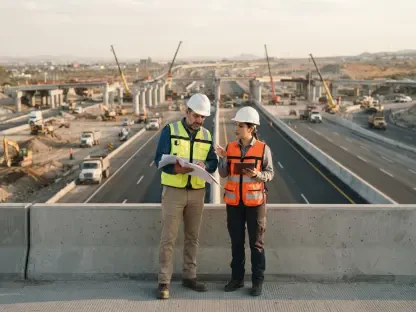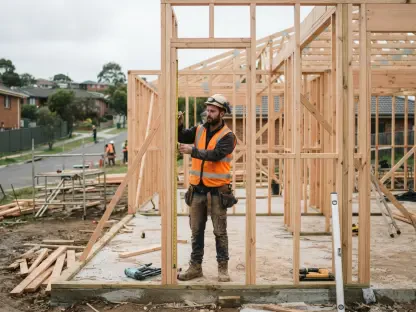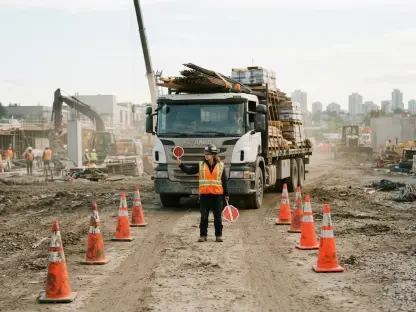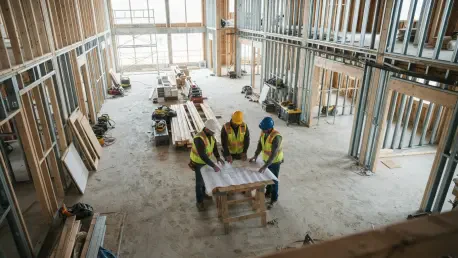

Labor attorneys argue that the current legal framework in Wisconsin relies too heavily on ambiguous case law rather than strict statutory tests to define employment relationships. This legislative ambiguity has paved the way for what industry experts describe as a systemic race to the bottom, where profitability is frequently prioritized over the fundamental rights of the workforce. Within the bustling construction sites of modern Wisconsin, a hidden crisis of wage theft and exploitation has taken root, particularly targeting those who have recently arrived in the United States. The narrative of Maria and Ana, two Mexican immigrants who traveled to the region with the hope of financial stability, serves as a poignant reminder of the vulnerabilities inherent in the current system. After completing weeks of intensive labor at high-profile developments, these women found themselves not only unpaid but also homeless when their subcontractor-provided housing was abruptly revoked. This incident is not an isolated failure of individual morality but rather a symptom of an industry that increasingly utilizes complex subcontracting layers to distance itself from the legal and ethical consequences of its labor practices. As the state continues to see significant real estate expansion in 2026, the contrast between luxury developments and the treatment of the individuals who build them has become a central point of debate for legal advocates and policymakers alike.
The Mechanics of Worker Mistreatment
Strategic Misclassification and Tax Evasion
A primary tool for exploitation within the state is the deliberate misclassification of employees as independent contractors, a practice that allows firms to circumvent nearly every major labor protection. By labeling a worker as an independent contractor rather than an employee, construction companies effectively dodge their responsibility to pay federal FICA taxes and provide mandatory workers’ compensation insurance. This maneuver also exempts them from adhering to minimum wage requirements and overtime pay, creating a workforce that exists entirely outside the traditional social safety net. Legal experts indicate that in the Upper Midwest, approximately one in five construction workers is now either illegally misclassified or paid entirely off the books. This is not merely an administrative error but a calculated financial strategy designed to reduce overhead at the direct expense of the laborer’s security. When a worker is injured on a site without insurance or reaches retirement age without having contributed to Social Security, the long-term societal costs are immense, shifting the burden from the profitable private sector to the public at large.
This widespread circumvention of labor laws creates a profoundly uneven playing field where ethical businesses find it nearly impossible to remain competitive. When a contractor follows the law, they must factor in the costs of payroll taxes, insurance premiums, and fair wages, which naturally results in higher project bids. In contrast, unscrupulous operators who exploit their staff can underbid honest competitors by significant margins, effectively driving them out of the market. This economic dynamic incentivizes more firms to adopt exploitative practices just to survive, leading to a saturation of the industry with entities that prioritize cost-cutting over legal compliance. Consequently, the very structure of the construction market in Wisconsin currently rewards those who ignore the law and punishes those who uphold it. Advocates argue that without a major shift in how employment status is verified, the integrity of the entire industry will continue to erode, leaving both workers and law-abiding business owners in a state of perpetual instability while rewarding the most predatory actors in the sector.
The Economic Toll of “Paid-When-Paid” Clauses
Subcontractors frequently justify the nonpayment of wages by citing “paid-when-paid” clauses, a common but controversial contractual feature in the construction industry. These clauses essentially state that a subcontractor is not obligated to pay its workers until it has received payment from the general contractor overseeing the project. While this might seem like reasonable business protection on the surface, it effectively forces lowest-level laborers to carry the entire financial risk of corporate disputes. If a general contractor and a subcontractor engage in a legal or technical disagreement that delays funding, the laborers—who have already fulfilled their physical obligations—are the ones who go without food or rent. This practice treats human labor as a line item that can be deferred indefinitely, rather than a fundamental obligation that must be met regardless of higher-level corporate friction. It creates a situation where multimillion-dollar firms can navigate their disputes while the people building their projects are left in financial ruin.
The human consequences of these contractual loopholes were vividly demonstrated in recent disputes involving high-profile apartment developments. When funds were withheld due to internal contractual disagreements, workers who had spent weeks taping, painting, and finishing interiors were told that their checks simply did not exist. For workers like Maria and Ana, who were also dependent on the subcontractor for housing, this financial breakdown led to immediate homelessness. The threat of eviction was used as a tool of intimidation, preventing the workers from effectively challenging the nonpayment of their wages. This dynamic illustrates how “paid-when-paid” standards act as a shield for both general contractors and subcontractors, allowing each to point the finger at the other while the worker remains uncompensated. By the time these corporate entities resolve their differences, the vulnerable workers have often been forced to leave the area or the state to find other employment, effectively allowing the companies to avoid their financial responsibilities through sheer attrition and the passage of time.
Structural Failures and Regulatory Gaps
Historical Context: The Erosion of Prevailing Wage Laws
The repeal of prevailing wage laws in Wisconsin is frequently cited by labor historians and legal experts as the catalyst that accelerated the current exploitation crisis. These laws once established a mandatory wage floor for all workers on projects that received public subsidies or tax credits, ensuring that state-funded growth did not come at the cost of depressed wages. Without these standards, the construction of multifamily housing and other large-scale developments has turned into a contest to see which firm can squeeze the most labor out of the most vulnerable populations for the lowest possible cost. The lack of a regulated wage floor has invited more “fly-by-night” subcontractors into the market—entities that often lack the capital or the intention to treat their workers fairly. This deregulated environment has fundamentally changed the nature of construction work in the state, shifting it from a reliable path to the middle class into a high-risk occupation where even basic compensation is no longer guaranteed for a significant portion of the workforce.
Furthermore, the absence of prevailing wage oversight has led to a significant decrease in project transparency and accountability. Previously, the reporting requirements associated with these laws provided a trail of documentation that made it easier for state agencies to track who was working on a site and how much they were being paid. In the current regulatory vacuum, it is much easier for contractors to hide their labor practices behind an opaque curtain of multiple subcontracting tiers. This lack of transparency is particularly prevalent in the development of apartment complexes that benefit from local tax incentives, where the disconnect between public investment and worker treatment is most jarring. Critics argue that the state is essentially subsidizing its own labor crisis, as the money saved by contractors through wage theft and misclassification does not result in cheaper housing for residents but instead pads the profits of developers and their partners. Re-establishing these standards is seen by many as the only way to restore a sense of fairness and order to a chaotic and predatory market.
Institutional Barriers: Insufficiency of State Enforcement Resources
State agencies tasked with protecting workers’ rights are currently operating with budgets and staffing levels that are woefully inadequate for the scale of the wage theft problem. The Department of Workforce Development often finds itself overwhelmed by the sheer volume of claims, leading to investigative backlogs that can span months or even years. For a worker who has been left penniless and homeless, a legal process that takes a year to resolve is essentially useless. This lack of a swift and reliable regulatory response emboldens unscrupulous employers, who know that the likelihood of being caught or facing significant penalties is minimal. Many exploitative firms treat the occasional fine as a mere cost of doing business—a small price to pay for the massive savings achieved through systemic wage theft and tax evasion. The current enforcement landscape is one of reactive measures rather than proactive prevention, leaving nonprofit advocacy groups to shoulder the burden of protecting the state’s most vulnerable residents.
The consequences of this resource gap are visible in the high rate of “scattered” cases, where victims of exploitation simply disappear because they cannot afford to wait for justice. When the state takes too long to investigate a claim, workers are often forced to move to other regions in search of immediate income, which frequently results in the dismissal of their cases. This cycle of attrition serves the interests of predatory contractors perfectly, as it allows them to escape their liabilities without ever having to face a judge or an auditor. Advocacy groups have pointed out that without a significant increase in funding for dedicated wage theft investigators and a modernization of the claims process, the law will remain a paper tiger. The reliance on underfunded agencies effectively creates a “lawless zone” in the construction industry, where the rules of the game are written by those with the most power and the least accountability. Strengthening these institutions is not just about helping individual workers; it is about protecting the state’s economic integrity and ensuring that labor laws are more than just suggestions for those in the construction sector.
Paths Toward Reform and Restitution
Grassroots Advocacy: Direct Action and Community Support
In the face of institutional failure, grassroots organizations have stepped in to serve as a critical lifeline for exploited workers, utilizing innovative methods to secure restitution. Groups such as Worker Justice Wisconsin have pioneered a model of direct-action advocacy that bypasses traditional, slow-moving legal channels in favor of more immediate pressure tactics. This often includes organized “surprise visits” to the corporate offices of contractors and subcontractors, bringing the reality of wage theft directly to their doorsteps. By leveraging the power of community presence and the threat of public exposure, these groups have successfully recovered thousands of dollars in unpaid wages for laborers who had been told they would never see a cent. This transition toward more aggressive, localized intervention represents a shift in how labor rights are defended in an era where state protections have been significantly weakened. The use of social media platforms like TikTok has also transformed how workers find help, allowing them to connect with advocates even when they are isolated by language barriers and a lack of local knowledge.
These advocacy efforts extend beyond immediate financial recovery to provide essential humanitarian support for those who have been abandoned by their employers. When workers are evicted from company housing and left without resources, these organizations coordinate temporary shelter, food assistance, and medical care, preventing a labor dispute from turning into a life-threatening crisis. By creating a support network that mirrors the complexity of the exploitation it fights, the grassroots movement has become a de facto enforcement agency. This community-based approach not only helps individuals but also serves to educate the broader public about the reality of the construction industry. It forces a conversation about the ethics of development and the human cost of the modern real estate boom. However, advocates are the first to admit that their work is a temporary buffer rather than a permanent solution. While they can win individual battles, the systemic war against wage theft requires legislative changes that shift the burden of proof and the responsibility for fair pay back onto the entities that control the job sites.
Regulatory Solutions: Implementing the ABC Test
One of the most significant legislative proposals currently gaining momentum is the adoption of the “ABC test” to define employment status in Wisconsin. This standard, which has been successfully implemented in several other states, uses three clear criteria to determine if a worker is truly an independent contractor. Under this test, a worker is presumed to be an employee unless the hiring entity can prove that the individual is free from its control, that the work performed is outside the company’s usual course of business, and that the individual is independently established in that trade. This shift would replace current, vague case-law standards that allow employers to exploit legal gray areas. By creating a clear and rigorous definition of employment, the ABC test would make it much harder for construction firms to misclassify their staff and avoid their social and financial obligations. It provides a level of clarity that benefits both workers and the state, ensuring that rules are applied consistently across the entire industry without the need for constant, expensive litigation.
The implementation of such a standard would also serve as a powerful deterrent against the “fly-by-night” subcontracting practices that currently plague the Wisconsin market. When the legal definition of an employee is unambiguous, the risks associated with misclassification become much higher, encouraging firms to either hire directly or ensure that their subcontractors are fully compliant with labor laws. This regulatory shift is seen as a necessary foundation for any broader effort to clean up the industry and protect the rights of immigrant and local workers alike. Critics of the test often argue that it limits flexibility, but proponents point out that the current “flexibility” is used almost exclusively to strip workers of their rights while providing no real benefit to the workers themselves. By adopting the ABC test, Wisconsin would align itself with modern labor standards and signal that it is no longer willing to tolerate an industrial strategy based on the exploitation of the most vulnerable. This change would not only protect wages but also stabilize the state’s tax base by ensuring that all employers contribute their fair share to the system.
Strengthening Accountability and Oversight
Financial Deterrents: The Strategic Use of Property Liens
One of the most powerful and underutilized tools in the fight against wage theft is the filing of construction liens against the properties where labor was performed. A construction lien essentially places a legal claim on the property itself, making it difficult for developers to sell, refinance, or transfer the title until the underlying debt is resolved. This strategy is particularly effective because it bypasses often-insolvent subcontractors and places financial pressure directly on the developers and general contractors at the top of the chain. When a high-profile apartment complex has multiple liens filed against it by unpaid painters or carpenters, developers are forced to take notice, as their ability to profit from the project is directly threatened. This creates a powerful incentive for those with the most capital to ensure that everyone working on their site is treated fairly. It shifts the dynamic of accountability, ensuring that those who ultimately benefit from the value added by labor are responsible for paying for it.
The strategic use of liens also serves to disrupt the “gray area” of subcontracting where responsibility is often lost in a maze of corporate entities. When a lien is filed, it does not matter if the general contractor claims they already paid the subcontractor; the property remains encumbered until the workers themselves are paid. This legal reality forces general contractors to be much more diligent in their vetting process, as they can no longer afford to hire irresponsible subcontractors who might leave a trail of unpaid workers and legal claims behind them. For workers who have been abandoned by their direct employers, the lien process provides a clear, albeit technical, path to recovery that is anchored in the physical work they completed. Legal advocates have been working to educate vulnerable populations about their right to file these claims, providing them with a defensive tool that is much more difficult for unscrupulous employers to ignore than a simple demand for payment. By targeting the financial heart of a project, the lien process ensures that the cost of wage theft becomes a risk that developers can no longer afford to take.
A Shift Toward Proactive Regulatory Enforcement
In light of documented systemic failures, the state eventually recognized that the path forward required a fundamental overhaul of its investigative and enforcement priorities. Legislative discussions focused on the necessity of holding general contractors “jointly and severally” liable for the wages of every individual on their job sites, a move that mirrored successful protections implemented in neighboring regions. This policy was designed to eliminate the common defense that a top-tier firm had no legal relationship with the laborers finishing its buildings. By making the entities at the top of the financial pyramid responsible for the entire labor supply chain, the state incentivized a culture of oversight that had previously been absent. It was determined that the only way to end the “race to the bottom” was to ensure that the entities with the most power also carried the most risk, effectively forcing the industry to regulate itself through more rigorous subcontracting standards and transparent payroll practices.
Additional measures were proposed to provide the Department of Workforce Development with the resources necessary to conduct proactive site audits, rather than merely responding to complaints after a crisis had already occurred. This shift toward a more aggressive, preventive stance was viewed as essential for protecting the state’s tax revenue and maintaining a fair competitive environment for law-abiding contractors. The focus turned toward creating a swift, accessible system where workers could report exploitation without fear of retaliation, backed by a state apparatus that had the power to freeze project funds when systemic wage theft was suspected. As these new insights into labor oversight were integrated into state policy, it became clear that the era of relying on voluntary compliance had come to an end. The documented experiences of workers like Maria and Ana served as a permanent catalyst for these reforms, ensuring that the state’s future growth was built on a foundation of ethical labor practices rather than the exploitation of those who literally built its foundations.