
Fragmented oversight is currently preventing the adoption of modern construction methods that could solve the nation’s ongoing housing challenges. As industry leaders gathered in Canberra earlier this year, the primary focus remained on the deteriorating state of the country’s technical infrastructure and the potential loss of essential expertise. The current system, characterized by disconnected state-based enforcement and a lack of national coordination, has created an environment where innovation is frequently sidelined in favor of outdated but familiar building techniques. Stakeholders argued that while Australia possesses a wealth of talent in engineering and materials science, these resources are being squandered due to a lack of a unified strategic plan. The uncertainty generated by inconsistent regulatory interpretations has discouraged developers from pursuing ambitious projects that could otherwise address the chronic shortage of resilient and affordable homes. Without a clear path forward, the industry faces the risk of prolonged stagnation that could undermine national safety goals.
Sovereignty Crisis: Testing Infrastructure
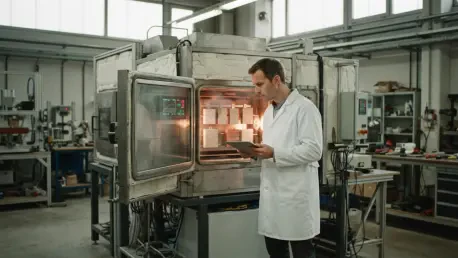
The scheduled decommissioning of the CSIRO fire testing facility in North Ryde has emerged as a significant wake-up call, highlighting the fragility of the nation’s sovereign testing capabilities. This specialized laboratory has long been the backbone of building safety, providing the rigorous data necessary to certify that new materials can withstand extreme conditions. Its closure is not merely a loss of physical space but a depletion of the intellectual capital required to evaluate complex fire dynamics in modern high-density developments. Industry experts expressed concern that the absence of such a facility would force Australian manufacturers to seek certification from overseas laboratories, which may not align with the unique environmental and regulatory requirements of the local landscape. This reliance on external validation introduces unnecessary delays and increases the overall cost of construction, ultimately impacting the affordability of new housing stock. Protecting these essential services is crucial for maintaining a self-sufficient building sector capable of responding to domestic needs.
Beyond the immediate concerns regarding specific laboratories, there is a growing recognition of a national deficiency in how building research and certification are managed. The existing framework is often described as reactive, responding to crises after they occur rather than proactively setting standards for the next generation of construction. This systemic failure has led to a lack of investment in the research that underpins consumer confidence and building performance. During the discussions, it was noted that the disconnect between academic research and practical regulatory application prevents the National Construction Code from evolving at the pace of technological change. Consequently, builders are often left to navigate a labyrinth of conflicting guidelines that vary significantly from one jurisdiction to another. Strengthening national stewardship is seen as the only way to harmonize these standards, ensuring that every project, regardless of its location, meets a uniform level of excellence and safety that the Australian public can trust.
Unified Framework: Standards and Innovation
The ongoing transformation of the building sector is increasingly defined by the integration of digital technologies and advanced materials like mass timber and sustainable composites. These innovations offer the potential to significantly reduce the carbon footprint of the built environment while improving the speed and efficiency of delivery. However, the lack of a centralized testing and certification system means that developers often lack the confidence to adopt these methods on a large scale. The current regulatory environment is poorly equipped to handle the complexities of prefabricated modular systems, which require different validation processes than traditional on-site construction. Without a robust foundation of applied research, the adoption of these modern methods remains a high-risk endeavor for many firms. By creating a unified framework for innovation, the industry can provide the evidence-based assurance needed to transition toward more sustainable and productive building practices. This shift is essential for meeting environmental targets and ensuring future safety.
To address these multifaceted challenges, the industry proposed the implementation of a National Building Research, Testing, Certification, and Innovation Strategy. This comprehensive plan included a thorough national capability audit to pinpoint existing gaps in technical infrastructure and personnel across the country. The strategy also prioritized the establishment of more effective national stewardship arrangements to coordinate regulatory reform and research initiatives. By streamlining these processes, the industry sought to move away from a history of localized decision-making toward a cohesive, evidence-based standard. The findings of the summit indicated that such a unified framework was the only viable method for protecting sovereign capabilities and fostering technological advancement. Actionable recommendations were made to integrate automated compliance monitoring and digital twin modeling. These steps were taken to ensure that the integrity of the nation’s buildings was upheld through a rigorous approach that balanced innovation with safety.