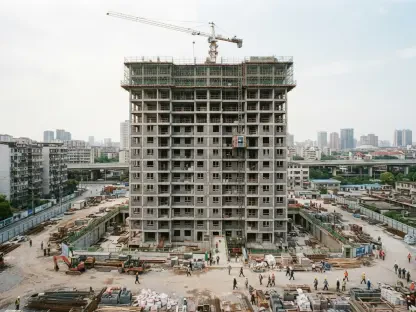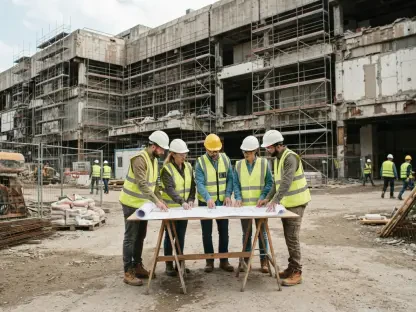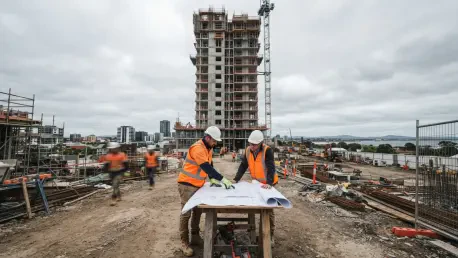

A significant drain of specialized talent toward the city is creating a bottleneck for Geelong’s pipeline of apartment towers and industrial upgrades. As the regional hub attempts to balance its rapid urbanization with its historic industrial roots, the gravitational pull of Melbourne’s resurgent building sector is becoming impossible to ignore. Current trends in 2026 suggest that the local industry is no longer just competing for materials or land, but for the very hands required to lay the foundation of its future skyline. This labor vacuum is driven by a confluence of rising interest in metropolitan high-density living and massive infrastructure investments in the state capital, leaving regional projects to contend with a dwindling pool of qualified contractors. While Geelong has historically maintained a robust local workforce, the shifting economic tides are forcing developers to reconsider their timelines and procurement strategies to avoid becoming sidelined by the sheer scale of city-centric demand.
Economic Forecasts
Rising Project Costs
Financial analysts monitoring the Victorian construction landscape have identified a clear trajectory of escalating expenses that could fundamentally alter project viability in Geelong. Estimates indicate that building costs within the regional city are set to surge by approximately 14 percent over the next three years, concluding in 2029. This inflationary pressure is characterized by consistent annual growth rates, starting at 4.3 percent in both 2027 and 2028, before hitting a peak of 4.6 percent in the final year of the forecast. Such a steady climb reflects more than just the rising cost of raw materials like steel and lumber; it highlights a premium on labor that is being driven up by the scarcity of specialized skill sets. For developers in Geelong, this means that initial budget assessments conducted even a year ago may now be obsolete, requiring a radical reassessment of contingency funds and financing structures to ensure that large-scale commercial ventures remain profitable.
Labor Market Disparities
A granular look at labor availability metrics reveals a stark contrast between the metropolitan core and the surrounding regional areas of Victoria. According to current indicators, the trade availability index for regional Victoria sits at a concerning -0.54, illustrating a deep deficit that is significantly more acute than the -0.06 recorded in Melbourne. This disparity suggests that while the entire state is feeling the pinch of a skilled labor shortage, Geelong and its neighbors are effectively operating in a crisis state regarding personnel. The shortage is not limited to general labor but extends to specialized trades required for complex apartment towers and high-tech industrial upgrades. Without a steady supply of electricians, plumbers, and structural steel experts, project managers are finding it difficult to maintain strict construction schedules, leading to a cascade of delays that can extend project completion dates by months or even years in many cases.
Operational Barriers
Contractor Logistics
The logistical realities of regional construction serve as a primary deterrent for many contractors who might otherwise consider taking on work in Geelong. When the Melbourne building sector is thriving, as it is in 2026, firms based in the city are increasingly reluctant to deal with the overhead associated with traveling to regional sites. These hidden costs include not only the rising price of fuel and vehicle maintenance but also the significant expenditure required for worker accommodation and per diems. For a crew to relocate to Geelong for several days a week, the developer must often subsidize these expenses, which can add tens of thousands of dollars to the total contract value. If a builder can secure a project within a short commute of their home base in the city, they will almost certainly prioritize that over a regional job, unless the Geelong-based contract offers a substantially higher profit margin to compensate for the logistical headache.
Regional Stability
Despite the prevailing headwinds, Geelong maintains a unique set of stabilizers that offer a degree of resilience against the labor drain. The presence of major institutional anchors, such as the Australian Centre for Disease Preparedness, provides a steady baseline of high-priority work that can sustain a local workforce even when the broader market is volatile. These large-scale projects often come with long-term commitments and government backing, which offers a level of security that speculative commercial developments cannot match. By providing a reliable stream of complex industrial work, Geelong is able to cultivate and retain a core group of specialized contractors who call the region home. This local expertise acts as a critical buffer, preventing the total flight of talent to the city and ensuring that there is at least a foundational level of skill available to support the city’s broader growth objectives and ongoing infrastructure maintenance.
Strategic Resilience and Implementation
The construction landscape in Geelong successfully navigated a period of intense volatility by prioritizing strategic labor management and operational efficiency. Stakeholders recognized that the competition for talent was not a temporary hurdle but a systemic shift that required a fundamental change in how regional projects were planned and executed. Developers who adopted more collaborative contracting models and integrated advanced modular construction techniques were better positioned to mitigate the impact of the trade shortage. These forward-thinking entities moved away from traditional competitive bidding and instead focused on securing long-term agreements with specialized crews, providing them with the stability needed to resist the pull of the metropolitan market. Ultimately, the industry learned that the key to resilience lay in investing in local talent pipelines and streamlining supply chain logistics to reduce the dependency on out-of-area contractors.