
New flexibility regarding the 30,000-square-meter pre-sale threshold provides a small operational buffer for developers managing smaller, high-density urban plots. This evolution in policy follows the official land transfer announcements for the 11th batch of commodity residential land in 2026, where the Shanghai Land Market Network clarified several critical operational measures. Specifically, the Q&A sessions regarding the Yangsi plot in the Pudong New Area served as a definitive guide for translating the principled Implementation Opinions of late 2025 into actionable standards. As the city navigates this more disciplined regulatory landscape, the focus has shifted toward ensuring that project quality and consumer safety remain the primary pillars of the residential market. These updates represent a significant departure from the looser interpretations of the past, signaling a move toward a high-certainty environment where the physical completion of a building is no longer a matter of administrative guesswork but a rigorous technical requirement.
Higher Construction Thresholds
Redefining the Structural Topping Out Standard
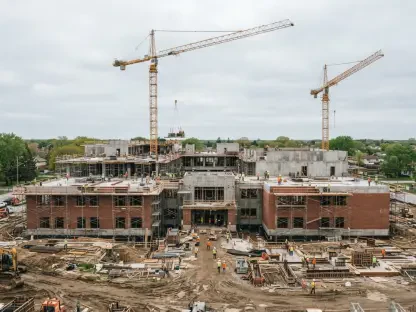
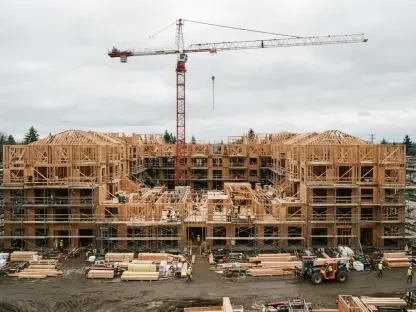
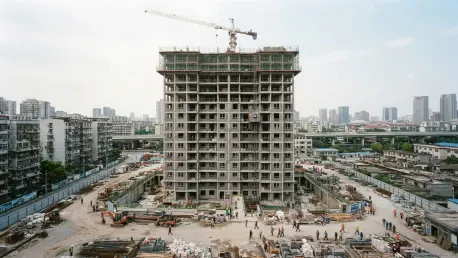
One of the most transformative changes in the new regulatory framework is the refined definition of what constitutes a “topped out” building for pre-sale eligibility. Historically, the industry often considered a project ready for pre-sale once the final concrete roof slabs were poured, allowing developers to begin marketing units while much of the internal structure remained incomplete. The new standards for 2026 have effectively closed this loophole by mandating a multilayered requirement that includes the completion of both the primary load-bearing skeleton and the secondary structures. This includes the full installation of masonry walls, structural columns, and essential lintels before a developer can even apply for a pre-sale permit. By pushing the sales milestone further down the construction timeline, the government ensures that the building is a substantial physical entity, reducing the risk that a project might stall in its early, most vulnerable phases of development.
This shift in the structural definition forces a fundamental change in how real estate enterprises manage their construction schedules and resource allocation. Because the “secondary structure” requirement involves labor-intensive masonry and internal partitioning, the gap between starting a project and generating revenue has widened significantly. This delay necessitates a higher level of upfront capital commitment, as developers can no longer rely on early-stage pre-sale deposits to fund the core construction of the building. For the homebuyer, this provides a tangible layer of security; the property they are purchasing is nearly a complete shell rather than just a blueprint or a basic concrete frame. The move also signals to the market that only developers with the financial stamina to complete significant portions of the work using their own equity or credit will be able to sustain operations in the competitive Shanghai landscape.
Rigorous Verification and Administrative Protocols
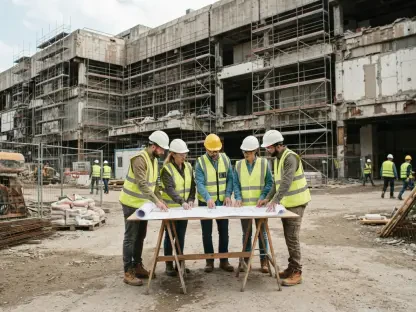
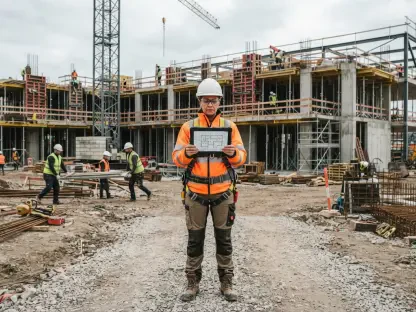
Beyond the physical milestones, the new rules introduce a mandatory “Acceptance Certificate of Main Sub-divisional Works” that must be obtained before any sales activity begins. This certificate is not merely a paperwork exercise; it requires a physical, on-site confirmation by the real estate market department and the Construction and Communications Commission. This physical verification process is designed to prevent administrative shortcuts and ensure that what is reported on paper matches the actual progress on the ground. By requiring government officials to walk the site and confirm the completion of secondary structures, the city has created a system of accountability that minimizes the influence of inflated progress reports. For developers, this means that any delay in construction or any failure to meet technical standards results in a direct and immediate delay in their ability to access the sales market, creating a powerful incentive for quality and punctuality.
The implications of these rigorous protocols extend deeply into the financial planning of real estate firms, particularly regarding their internal rate of return calculations. In the previous market cycle, developers could often predict a specific date for pre-sale based on pouring schedules, but the addition of secondary structures and formal acceptance windows introduces new variables into the timeline. Firms must now account for the time required for inspections and the potential for remedial work if the on-site verification reveals discrepancies. This administrative rigor ensures that the “capital return point” is strictly tied to physical reality rather than bureaucratic convenience. As a result, the market is seeing a more deliberate approach to land acquisition, where bidders must carefully weigh the cost of extended construction timelines against their projected sales revenue, leading to a more stabilized and less speculative atmosphere across the city’s residential sectors.
Strict Financial and Completion Rules
The All-or-Nothing Approach to Project Acceptance
Shanghai has taken a firm stance against the practice of phased or individual-building completion filings, which were once a common way for developers to manage large-scale projects. Under the current 2026 regulations, a project must undergo “comprehensive completion acceptance” for the entire contracted workload before any part of it can be officially filed. This prevents the previous strategy of delivering a project in small batches to quickly release capital. Furthermore, the city has explicitly forbidden the separation of bare-shell units from finished or move-in-ready units during the acceptance phase. This “all-or-nothing” strategy ensures that a development is truly and fully finished—including all common areas, landscaping, and internal finishes—before the legal status of the building is finalized. This holistic approach significantly raises the bar for project management, requiring developers to synchronize all aspects of construction to meet a single, unified completion deadline.
This policy shift has profound consequences for the flow of mortgage funds, which are now strictly tied to the final completion filing. In many other major cities, mortgage payouts can be triggered when an individual building reaches a certain stage, but Shanghai’s 2026 rules dictate that individual housing mortgage loans, including those from the provident fund, can only be issued after the entire project’s comprehensive filing is finished. This creates a massive financial bottleneck at the end of the development cycle, as developers must carry the full cost of construction without the influx of buyer mortgage payments for the duration of the project. By extending the wait for mortgage fund returns, the city provides a powerful safeguard against the risk of unfinished buildings. Developers are effectively forced to maintain full accountability for the entire site, as they cannot access the bulk of their revenue until every single unit and common space meets the government’s rigorous standards for habitability and safety.
Stringent Supervision of Pre-sale Funds
The oversight of pre-sale funds has been upgraded to a “full-process and full-amount” supervision model, leaving very little room for developer discretion. One of the most contentious points addressed in the 2026 regulatory updates is the use of bank guarantee letters to replace a portion of the supervised funds. While some national guidelines and other provinces allow developers to substitute up to 30% of their supervised cash with bank guarantees to ease liquidity, Shanghai has maintained a conservative “no” on this practice for its latest land plots. This means that every dollar received from a homebuyer must remain in a strictly controlled account until the project reaches its final completion filing. While this creates a significant “liquidity squeeze” for real estate enterprises, it serves as an ironclad guarantee that the funds intended for construction are never diverted to other projects or corporate debt obligations.
This restrictive stance on fund supervision creates a market environment that naturally favors developers with the most robust balance sheets and the lowest debt-to-equity ratios. By ensuring that sales revenue is locked away, the government has mitigated the risk of fund misappropriation that has historically plagued the broader property sector. Developers can no longer use the cash flow from one successful project to bridge the financing gaps of another, a practice that often led to a “house of cards” scenario in times of market volatility. Although the Q&A minutes suggest that newly issued regulations could eventually introduce some flexibility, the current standard remains focused on absolute financial security. For the homebuyer, this means the risk of a project being abandoned due to a lack of liquidity has been virtually eliminated, as the necessary capital to finish the work is always present within the supervised accounts of that specific development.
Market Adaptation and Strategic Shifts
Flexibility in Pre-sale Volume Standards
While many of the 2026 rules have tightened the grip on developers, the city has introduced a necessary measure of operational flexibility regarding pre-sale volume thresholds. Previously, developers were often required to meet a minimum floor area of 30,000 square meters for each pre-sale batch, a rule that proved difficult for smaller, high-density plots common in urban infill areas. The new regulations allow this threshold to be broken, which is a practical response to the changing nature of land supply in Shanghai. By allowing developers to apply for pre-sale permits for smaller batches or even individual buildings, provided they meet the new “topping out” criteria, the government has given firms a way to manage their inventory more efficiently. This change is particularly beneficial for projects with a total floor area that falls just under traditional size requirements, allowing them to bring units to market in a more granular and responsive manner.
This increased flexibility in volume standards allows for a more nuanced sales strategy that can be tailored to specific market conditions or seasonal demand. Developers can now opt to release a single building to test the market’s appetite before committing to a larger sales push, which helps in maintaining price stability and preventing oversupply in specific neighborhoods. This granular approach also benefits the homebuyer by ensuring a more consistent flow of new housing options throughout the year rather than large, overwhelming releases that can distort local pricing. By permitting smaller pre-sale batches, the city has successfully balanced its strict construction requirements with a more agile commercial framework. This creates a “win-win” scenario where developers can manage their cash flow and inventory with greater precision while still adhering to the rigorous structural standards that define the current era of Shanghai real estate.
Strategic Implications for Real Estate Enterprises
The cumulative effect of these new rules—stricter topping-out definitions, the ban on phased acceptance, and full fund supervision—has fundamentally rewritten the financial logic of land acquisition. Developers are now moving toward a strategy that favors smaller-volume plots over massive, multiphase developments. A smaller project can reach the “comprehensive completion” milestone much faster, which in turn allows the developer to unlock supervised pre-sale funds and buyer mortgage payments significantly sooner than a large-scale project would allow. This shift is expected to change the bidding landscape, as smaller, more manageable plots may see increased competition while larger tracts of land are viewed through a much more cautious financial lens. The goal is no longer just about acquiring land, but about acquiring land that can be processed through the regulatory pipeline with maximum speed and minimum capital risk.
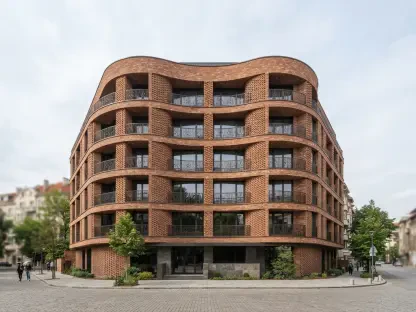
By providing clear, operable measures at the land announcement stage, the Shanghai government has successfully reduced the regulatory uncertainty that often clouds real estate investment. Bidders in 2026 can now accurately calculate their financing costs, construction timelines, and capital lock-up periods before they ever place a bid. This transparency leads to more rational land prices, as the “surprises” that once disrupted developer budgets have been replaced by a predictable, albeit demanding, set of rules. Ultimately, these regulations have pushed the Shanghai market toward a “ready-house” mentality, where the traditional risks of pre-sale are mitigated by the fact that the project is physically and legally near completion before the final financial transfers occur. This protects the stability of the local financial system and ensures that the city remains a model for responsible, consumer-oriented urban development in the years to come.
Future Considerations for the Shanghai Property Market
The regulatory framework established in early 2026 prioritized the absolute security of the homebuyer by shifting the financial and construction risks almost entirely onto the developer. By the time the first projects under these rules reached the market, the industry had already begun to reorganize around the necessity of higher self-owned capital and more efficient construction cycles. Developers who succeeded in this environment were those who moved away from high-leverage models and instead invested in advanced project management tools that could synchronize the complex requirements of comprehensive completion filing. This shift effectively filtered the market, leaving behind a more professionalized group of players who viewed property development as a long-term infrastructure commitment rather than a short-term financial play.
Looking forward, the transition toward a “ready-house” sales environment suggested that future policy adjustments would likely focus on further streamlining the acceptance process to help high-quality developers recycle capital more quickly without compromising safety. Stakeholders were encouraged to focus on modular construction and digital twin technologies to meet the “topping out” and “secondary structure” requirements with greater speed and accuracy. As the 11th batch of land transfers proved successful, the city demonstrated that a high-standard regulatory environment did not stifle growth but instead fostered a more stable and trustworthy market. For future bidders, the primary objective remained the careful selection of plots that matched their specific capital strengths, ensuring that the Shanghai property market continued to serve as a benchmark for urban excellence and consumer protection.