
Asheville is grappling with a severe affordability crisis that has forced municipal leaders to reconsider the very foundation of urban living and social support systems. The Housing Authority of the City of Asheville (HACA) recently introduced a sweeping $500 million strategic roadmap designed to span the years 2027 through 2031, marking a pivotal moment for the region. This blueprint is not merely a repair schedule but a fundamental reimagining of how public housing serves a growing, diverse population. By prioritizing the modernization of dilapidated structures alongside the creation of brand-new mixed-income developments, the city hopes to dismantle the long-standing stigma associated with subsidized living. The plan signals a transition from reactive maintenance to proactive community building, ensuring that local residents have access to safe, dignified, and sustainable homes while the city adjusts to the shifting economic realities of the late 2020s.
Infrastructure Revitalization and Expansion
Modernizing Aging Assets
A core component of this half-billion-dollar initiative involves a massive $200 million investment directed specifically toward renovating six critical existing properties. Many of these sites, including the Altamont Apartments and several clusters within the historic Southside neighborhood, have suffered from decades of deferred maintenance and outdated architectural standards. These renovations are expected to go beyond simple cosmetic updates, incorporating energy-efficient systems, updated plumbing, and modernized interiors that align with current environmental regulations. By focusing on these older assets, the authority aims to preserve the existing housing stock while significantly improving the quality of life for current tenants. This phase of the project is essential because it ensures that those who have already established roots in these neighborhoods are not left behind as the city undergoes broader development. Maintaining the integrity of these buildings is seen as a vital step in preventing the further decay of the city’s social safety net.
Expanding Housing Capacity
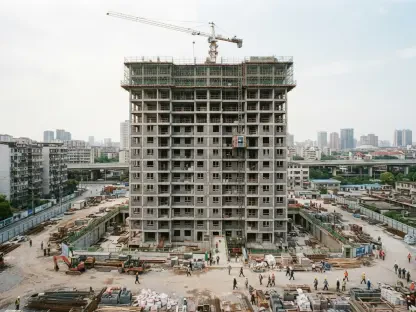
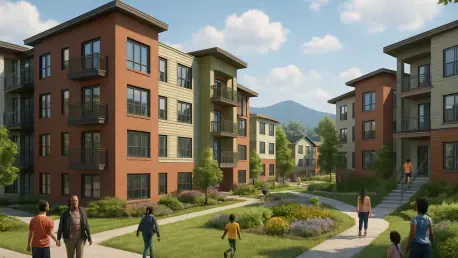
While renovation is vital, the most ambitious physical changes will come through the large-scale redevelopment of high-capacity sites such as the Pisgah View Apartments. The HACA strategy allocates over $100 million for this specific location, with the goal of doubling its current capacity from 250 units to 500 units. Similarly, the Aston Garden Apartments are slated for an expansion that will add more than 60 new homes to the city’s inventory. These projects are characterized by a move toward mixed-income models, which will include residents earning up to 80 percent of the area’s median income. This deliberate integration of different socioeconomic groups is designed to break down the geographic isolation often faced by low-income families. By fostering a more diverse resident profile, the city intends to create vibrant neighborhoods where social capital can be shared more freely. This approach not only addresses the shortage of available units but also seeks to cultivate a more inclusive urban environment that supports long-term stability for all inhabitants.
Financial Strategy and Community Growth
Shifting Toward Private Investment
The traditional model of public housing, which relied almost exclusively on erratic federal subsidies, is being replaced by a more sophisticated financial strategy. HACA is increasingly leveraging the federal Rental Assistance Demonstration (RAD) program and affordable housing tax credits to attract significant private investment into its projects. This “private real estate for a public mission” philosophy allows the authority to maintain larger ownership stakes in its developments while generating independent revenue streams. By acting as a co-developer and owner, HACA can reinvest profits directly back into resident services and ongoing property maintenance, reducing its vulnerability to political shifts in Washington. This transition represents a major departure from the bureaucratic limitations of the past, granting the city more flexibility to respond to local market conditions. This market-driven approach is expected to provide the capital necessary for long-term sustainability, ensuring that these new developments remain high-quality assets for decades to come without constant budget shortfalls.
Establishing Long-Term Viability
The successful execution of Asheville’s redevelopment strategy required a meticulous balance between financial innovation and the preservation of resident dignity. By focusing on the long-term upward mobility of tenants through job training and integrated career resources, the authority moved beyond the traditional role of a landlord to become a catalyst for social change. Decision-makers prioritized property safety and maintenance responsiveness, ensuring that new developments remained high-quality assets while fostering a sense of community ownership. The transition to a self-sufficient fiscal model, supported by private investment, provided the necessary stability to weather economic fluctuations without compromising on housing quality. Ultimately, the city established a comprehensive roadmap that addressed the immediate shortage of units while laying the groundwork for a more resilient urban environment. These actions served as a blueprint for future projects, emphasizing that sustainable housing is achieved through a combination of partnerships and a steadfast commitment to the welfare of citizens.