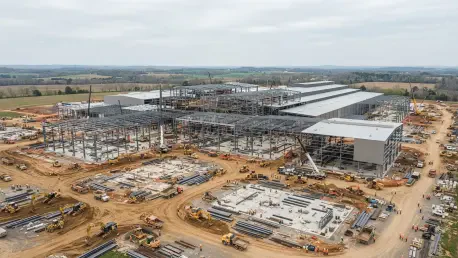

The unprecedented surge in American industrial spending during the late autumn of the current year created a complex economic landscape where staggering headline growth often obscured the underlying struggles of local contractors and developers. Recent data suggests a 22.8% increase in construction starts, bringing the seasonally adjusted annual rate to $1.63 trillion. While this figure looks impressive on paper, industry analysts are quick to point out that this rebound follows a lackluster summer and masks a deeply divided market.
Decoding the October 2026 Construction Rebound
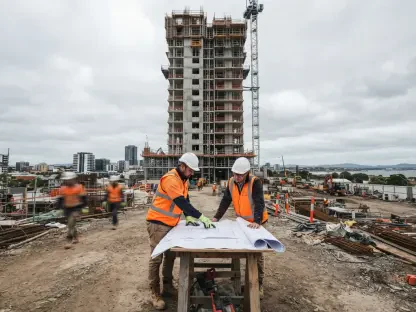
The current surge represents a significant departure from the stagnation observed in August and September. Market reports indicate that the influx of capital is not being distributed evenly across the board, as the industry grapples with extreme polarization between high-tech industrial projects and traditional building sectors. This disparity forces stakeholders to look past surface-level numbers to understand where the real momentum lies.
Moreover, the recovery is increasingly reliant on a few massive investments rather than a steady rise in general demand. Industry observers note that while the headline growth suggests a booming economy, the reality for many mid-sized firms remains challenging. Dependency on record-breaking megaprojects creates an environment where a handful of large-scale developments dictate the statistical health of the entire nation.
The Mirage of the Headline Growth Figure
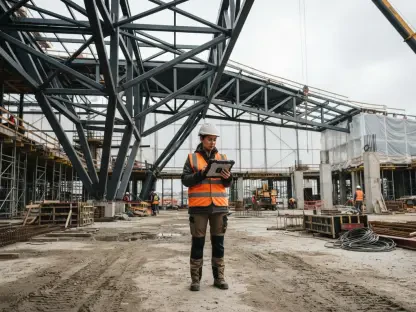
The staggering 90% jump in commercial starts is largely a statistical anomaly driven by the manufacturing sector. Analysts have identified that if these massive industrial groundbreakings were stripped away, the total construction market would have actually contracted by 1.1% during the same period. This highlights a “winner-take-all” trend that leaves retail and office space providers in a difficult position as they struggle for relevance.
Furthermore, the concentration of capital into a few high-value areas creates a distorted view of national progress. While the industrial sector appears to be in a golden age, traditional commercial developers face high vacancy rates and cooling interest. This chasm suggests that the overall health of the industry is far more fragile than the initial 22.8% growth figure would lead the public to believe.
The Outsized Impact of Manufacturing Megaprojects
The primary engine behind this recent spike was the initiation of several high-profile facilities, such as the $16.8 billion semiconductor plant in Texas. Such immense projects have the power to shift national data points single-handedly, creating the illusion of a broad sector expansion. These manufacturing hubs are attracting the lion’s share of available labor and materials, further tightening the market for smaller contractors.
Economic reports emphasize that this industrial boom is concentrated in specific corridors where favorable policy and technology trends align. As a result, commercial sector growth is heavily lopsided, favoring high-tech production over standard warehouse or storefront development. This narrow focus raises concerns about what might happen to the industry once these massive phases reach completion.
The Widening Chasm in Residential Development
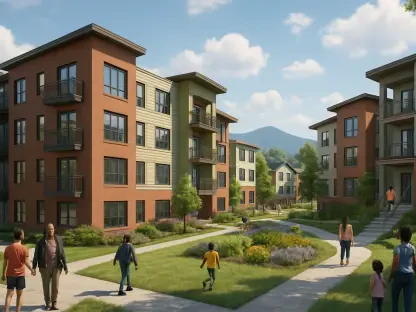
In contrast to the industrial frenzy, the housing market continues to face a cooling period with a nearly 7% drop in total starts. The multifamily segment was the most impacted, experiencing a double-digit decline as developers reassessed the feasibility of large apartment complexes in a high-cost environment. This contraction signals a significant retreat from the aggressive expansion seen in previous years.
Single-family housing also remained stagnant, showing that the average homebuyer is still feeling the pressure of economic constraints. Even as industrial corridors flourish, the residential sector remains a primary point of concern for those hoping for a balanced recovery. Without a rebound in housing, the overall sustainability of the construction industry remains in doubt.
Infrastructure as a Secondary Growth Engine
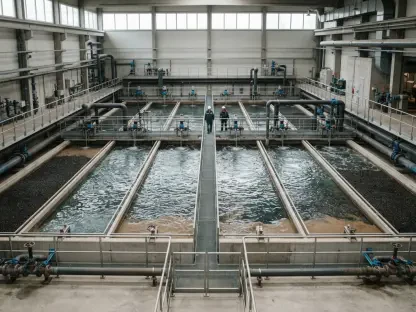
Public sector investments have provided a much-needed buffer, with highway and bridge projects seeing a 42.1% increase in activity. Major public works, including the I-10 Mobile River Bridge and the Ohio River Tunnel, have injected billions into the nonbuilding sector. These projects serve as a vital lifeline, ensuring that civil engineering firms remain active despite the volatility in private development.
However, reliance on government funding cycles introduces a different set of risks for the industry. While these infrastructure gains are impressive, they are often localized and subject to federal budget shifts. The long-term health of the nonbuilding sector depends on a steady pipeline of projects that can survive potential changes in political priorities.
Regional Disparity and Institutional Volatility
The institutional sector provides a study in contrasts, with healthcare construction soaring by over 50% while educational projects declined. This shift reflects an aging population’s demand for modernized medical facilities, creating a specialized niche for firms with healthcare expertise. In contrast, the slowdown in school construction suggests a pivot in public spending toward immediate social needs.
These regional and sectoral disparities mean that a firm’s success depends heavily on its geographic location and its ability to specialize. Companies located near industrial or healthcare hubs are thriving, while those in regions reliant on traditional education or retail are struggling to find new opportunities. This fragmentation requires a more agile approach to business development and project selection.
Navigating a Polarized Construction Market
To remain profitable in this environment, firms have been encouraged to diversify their portfolios toward high-growth industrial and infrastructure sectors. By positioning themselves within the supply chains of semiconductor plants or large-scale public works, contractors can find more stability than in the cooling residential market. Strategic planning now requires a deep dive into niche data rather than general trends.
Investors are also becoming more discerning, looking for opportunities in healthcare and advanced manufacturing where demand is consistently high. The focus has shifted from broad real estate plays to targeted investments in the infrastructure and technology sectors. This proactive approach helps mitigate the risks associated with the current multi-speed economy.
Strategic Realities of a Multi-Speed Economy
The industry effectively operated at two different speeds, where a high-velocity industrial surge masked a sluggish residential crawl. Stakeholders recognized that the 14.6% year-to-date growth was a fragile metric because it relied heavily on a small number of massive groundbreakings. This realization prompted a strategic shift where firms prioritized involvement in specialized manufacturing and essential public infrastructure.
The path forward required a focus on local community needs and a more inclusive recovery that extended beyond industrial hubs. Successful developers moved toward healthcare modernization and bridge reconstruction to maintain steady workflows. Ultimately, the true measure of success was not found in total dollar values but in the ability to adapt to a lopsided market that favored scale over breadth.