
The devastating reality of wildfire vulnerability has reached a critical turning point on the island of Kauai, where local officials are now implementing some of the most rigorous building standards in the United States to protect residents from future disasters. Recent data indicates that Kauai ranks higher in fire vulnerability than approximately 91 percent of all counties across the nation, a statistic that underscores the urgency of proactive legislative action. Following lessons learned from catastrophic events, Mayor S.K. Kawakami signed Ordinance Bill 2998 Draft 3 into law, shifting the county’s approach to residential development. The primary objective of this new framework is the protection of children and elders by ensuring that modern homes can withstand the specific threat of wind-driven embers. These embers have been identified as the primary cause of home loss in recent disasters, making structural resilience a non-negotiable priority for the island.
Hardening Structures Against Ignitions
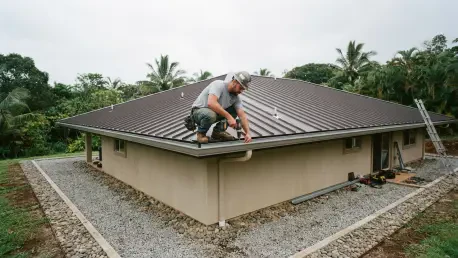
Starting with the current cycle of construction projects, the ordinance mandates specific fire-resistant standards for all new residential builds while exempting existing structures unless they undergo substantial renovations. One of the most critical technical requirements involves the installation of covered metal gutters, which prevent the accumulation of dry debris that often serves as fuel for stray sparks. Additionally, builders must now incorporate ember-resistant vents designed to block hazardous particles from entering attic spaces or crawl spaces where they could ignite the interior of a home. A mandatory five-foot non-combustible zone immediately surrounding the perimeter of every new structure further minimizes the risk of direct flame contact. This buffer zone requires the removal of flammable vegetation and mulch, replacing them with inorganic materials like gravel or stone to create a durable exterior that can endure intense heat.
Beyond the immediate footprint of the house, the new regulations emphasize the creation of extensive defensible space and improved emergency access routes for larger residential developments. This holistic strategy acknowledges that a single well-protected home is still vulnerable if the surrounding landscape and infrastructure do not support rapid intervention by emergency personnel. By requiring wider access roads and strategic vegetation management plans, the county is providing the Kauai Fire Department with a safer and more effective environment to conduct operations. These improvements increase the probability of a structure surviving an encroaching fire while reducing the physical risks faced by first responders during high-stress scenarios. The focus on improved ingress and egress ensures that evacuation orders can be carried out more efficiently, preventing the gridlock that has hampered rescue efforts in the past and ensuring safety for all residents.
Economic Incentives and Market Stability
To address concerns regarding the potential increase in construction costs associated with these safety standards, the county government has integrated a strategic financial incentive into the legislative package. This comes in the form of a 14,000-dollar waiver of the Department of Water’s facilities reserve charge, a significant sum that aims to neutralize the expense of fire-resistant materials and specialized labor. Local officials suggest that this financial offset may actually result in new homes being less expensive to build than those constructed under previous, less stringent codes. By removing this specific administrative burden, the county is making safety a more accessible option for families looking to establish permanent roots on the island. This proactive economic approach demonstrates a recognition that public safety mandates are most effective when they are paired with fiscal support, ensuring that the burden of protection does not fall solely on the homeowners.
The economic strategy also targeted the crisis of shrinking insurance availability and rising premiums in high-risk zones. By aligning local codes with the standards set by the Insurance Institute for Business and Home Safety, Kauai positioned its market to remain viable for national providers. When homes are built to a recognized standard of resilience, insurance companies are more likely to offer coverage at manageable rates, preventing the market flight that often follows disasters. Future considerations for the county involve extending similar incentives to existing homeowners who voluntarily retrofit their properties with ember-resistant technology. This initiative demonstrated that local governments could successfully merge safety mandates with economic relief to create a sustainable path forward. Ultimately, the collaboration provided a scalable model for other island communities, marking a shift toward a culture of preparedness.