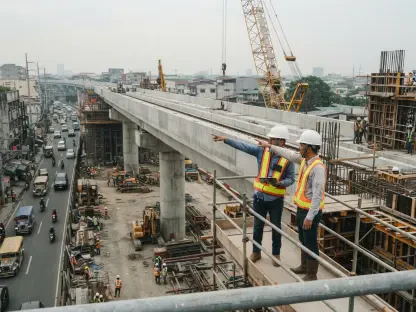

After more than a decade of involvement, DL E&C has successfully liquidated its stake in the Suwon-Gwangmyeong Expressway through a strategic sale to KIAMCO. This deal, valued at approximately 42 billion won, encompasses the transfer of nearly two million shares and over 47 billion units of beneficiary certificates in Sudogwon Seobu Expressway Co., the entity overseeing the route. This divestiture marks a major milestone for the company as it concludes a long-term investment cycle that began during the project’s inception phases. By offloading these assets to the KIAMCO Road Investment Private Special Asset Investment Trust No. 5, DL E&C is effectively converting its equity into liquid capital, providing a significant boost to its balance sheet. This transaction is not merely a financial exit but a deliberate move to streamline operations and focus on high-growth areas within the construction industry. The move highlights the company’s ability to navigate complex contractual obligations while waiting for the optimal market window to finalize a high-value asset transfer.
Contractual Milestones: Overcoming Revenue Thresholds
The execution of this sale was strictly governed by the terms of a refinancing agreement established in 2015. This specific arrangement granted construction investors the right to exit their positions by selling stakes to financial investors once the project reached a stable operational phase. While DL E&C and its subsidiary, DL Construction, initially attempted to divest their interests in 2019, they encountered significant hurdles. During that period, the expressway’s actual operating revenue failed to meet the rigorous financial thresholds mandated by the implementation agreement. Consequently, the firms were forced to maintain their positions until the final sale date specified in the contract arrived. This delay underscores the inherent risks and performance requirements associated with large-scale public-private partnerships. By adhering to the long-term contractual timeline, the companies eventually secured the necessary conditions for a clean break from the project management entity and recovered their initial capital.
The transition from construction investor to financial investor represents a fundamental shift in the risk-reward profile of major roadway projects. In this instance, DL E&C’s departure signals the completion of its role as a developer and builder, allowing financial specialists like KIAMCO to take the reins. These financial entities are better suited to manage the long-term, low-volatility cash flows generated by toll roads over several decades. For construction firms, holding onto these assets indefinitely can tie up capital that could be used for more lucrative engineering projects or innovative technological advancements in sustainable building. The successful transfer of nearly two million shares and the associated beneficiary certificates reflects a maturing market for infrastructure assets. This secondary market provides the liquidity necessary for developers to recycle capital and pursue fresh initiatives, ensuring that the heavy lifting of construction is rewarded with a clear exit strategy once the infrastructure is fully operational.
Portfolio Rebalancing: Navigating the Strategic Exit
This move is a central component of a much larger, systematic asset restructuring trend currently observed within the corporate strategy of DL E&C. The company has been aggressively offloading its interests in various privately financed infrastructure projects to optimize its capital structure and improve liquidity ratios. For instance, recent transactions have seen the firm sell off a significant 20% stake in the Seoul Tunnel project, as well as an agreement to transfer nearly 20% of its stake in Suwon Ring Road Co. to the KB Balhae Infrastructure Fund. These repeated actions demonstrate a clear and focused trajectory toward a leaner, more agile business model. By divesting from these established toll roads, the company can refocus its energy on emerging sectors like carbon capture or modular construction. This strategic realignment is essential for maintaining competitiveness in a rapidly evolving market where financial flexibility dictates a firm’s ability to secure large-scale international contracts and invest in new technology.
The finalized sale of the Suwon-Gwangmyeong stake established a clear blueprint for how construction-led firms manage their portfolios in a changing economic climate. Developers who analyzed these trends realized that integrating financial risk assessment with traditional engineering expertise was no longer optional. Moving forward, companies were encouraged to strengthen their partnerships with private equity and infrastructure funds early in the project lifecycle to ensure seamless asset transitions. Industry leaders moved toward more flexible implementation agreements that accounted for fluctuations in traffic volume and economic shifts rather than relying on rigid revenue targets. By adopting these forward-looking strategies, firms ensured they remained resilient against market volatility while continuing to deliver essential public works. The emphasis shifted toward capital recycling as the primary driver for sustained growth, allowing the construction industry to remain a dynamic engine for modernization through 2028.