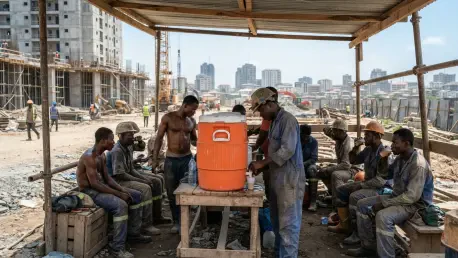

The implementation of a mandatory buddy system aims to help construction crews monitor one another for early signs of heat stress and impaired reflexes. This measure is a cornerstone of the new regulatory framework introduced by the Sector Skills Council for Building to address the escalating climate challenges facing West African infrastructure projects. As temperatures surge across urban centers like Lagos and Abuja, the physical toll on laborers has become impossible to ignore, necessitating a shift from traditional work habits to science-based safety protocols. Beyond the immediate risk of heatstroke, chronic exposure to extreme conditions can lead to long-term cognitive fatigue, significantly increasing the probability of on-site accidents. By formalizing a system where workers are responsible for their colleagues’ well-being, the industry seeks to create a self-correcting safety net. This initiative acknowledges that individual workers often push through exhaustion to meet deadlines, frequently failing to notice their own physical state until it becomes a medical emergency.
Mitigating Thermal Risks Through Strategic Hydration
Hydration Protocols: Mandatory Breaks and Water Proximity
Under the updated guidelines, construction firms must strictly adhere to a rigorous hydration protocol that fundamentally alters the rhythm of a typical workday. Contractors are now legally required to integrate five-to-ten-minute water breaks for every twenty minutes of active physical labor, ensuring that metabolic heat does not reach critical levels. To make this feasible, project managers must ensure that clean and cool drinking water is readily accessible within fifty meters of every active work zone. This proximity requirement removes the logistical barrier that often prevents workers from staying hydrated during intensive tasks. By bringing resources closer to the point of labor, the directive ensures that hydration becomes a seamless part of the workflow rather than a disruptive excursion. This approach is specifically designed to combat the subtle onset of dehydration, which can impair judgment and motor skills long before a worker collapses, thereby maintaining site safety and professional standards.
Medical Readiness: On-Site Thermal Aid and First Response
Modern safety standards in Nigeria now extend beyond simple hydration to include medical stations equipped to handle the immediate fallout of heat-related illnesses. These stations are required to stock oral rehydration salts, ice packs, and cooling towels, providing supervisors with the tools necessary to intervene the moment symptoms appear. This level of medical preparedness is coupled with an awareness of broader environmental risks, such as the increased prevalence of malaria in areas where poor drainage leads to standing water. Contractors are tasked with managing their site drainage to eliminate breeding grounds for mosquitoes, thereby reducing the incidence of illness among the crew. This holistic view of health management acknowledges that a worker’s safety is influenced by a complex web of environmental factors. When companies invest in robust on-site medical resources, they create a safety margin that can be the difference between a minor incident and a tragic fatality, reinforcing industrial integrity.
Operational Shifts and Protective Safety Standards
Schedule Management: Avoiding Peak Solar Intensity Windows
A pivotal component of the new safety advisory is the absolute prohibition of high-intensity tasks during the peak heat hours between 12:00 p.m. and 3:30 p.m. Activities such as roofing, concrete pouring, and manual excavation are particularly dangerous during this window when solar radiation is at its most intense. Instead of halting production entirely, which would jeopardize the income of daily-wage artisans, the council advocates for a strategic reorganization of the labor schedule. This means shifting the bulk of heavy work to cooler periods, specifically between 6:00 a.m. and 10:30 a.m. or during the late afternoon hours. By optimizing the workday around the thermal environment, firms can maintain their timelines without exposing their staff to the hazards of thermal stress. This logistical flexibility is essential for balancing the economic demands of the construction sector with the biological limits of the people who power it, ensuring that progress continues.
Specialized Equipment: Shielding Laborers From External Hazards
The ultimate success of these protective measures was reflected in the gradual shift toward a more sustainable and humane industrial model across the region. Oversight was maintained through frequent surprise inspections conducted by professional institutes and government bodies to verify that firms followed the mandatory breaks and PPE requirements. Contractors found in violation of these standards faced significant consequences, including formal citations and the potential for mandatory suspension of their projects. This strict regulatory stance intended to level the playing field, ensuring that ethical firms were not undercut by competitors who ignored safety to save on costs. By making compliance a non-negotiable aspect of project management, the state signaled its commitment to modernizing labor standards. The focus on accountability ensured that the advisory’s goals were met in practice, transforming the landscape of the construction sector into one where human life was prioritized.