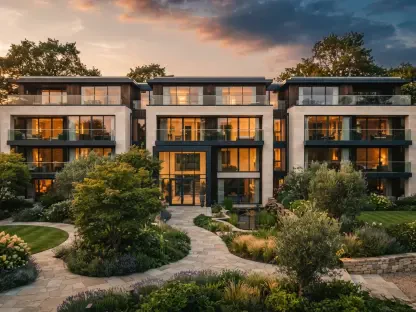

The traditional boundaries of Australian residential property have dissolved, giving way to a hybrid model where the home serves as both a sanctuary and a comprehensive service hub. This evolution reflects a growing demand for environments that offer more than just square footage, emphasizing physical health and seamless daily operations. Developers are responding by moving beyond the standard apartment block to create vertical villages that integrate hospitality-inspired services directly into the resident’s daily routine. As urban density increases, the focus has shifted toward high-end wellness facilities and integrated digital systems that streamline everything from parcel delivery to climate control. This trend suggests a fundamental change in the value proposition of real estate, where lifestyle amenities are no longer optional extras but central components of property valuation. Consequently, the Australian landscape is seeing a surge in projects that prioritize holistic well-being over mere proximity to the central business district. The integration of commercial-grade fitness equipment and professionally managed spa services is transforming the domestic environment into a self-contained ecosystem designed to maximize comfort and productivity.
Cultivating Wellness Through Sophisticated Resident Facilities
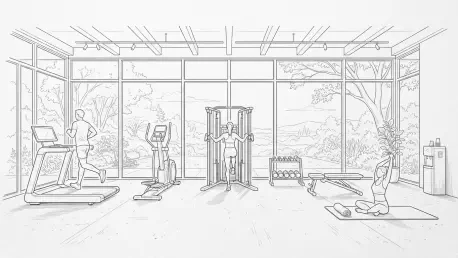
Modern developments are redefining the concept of the home gym by installing professional-grade fitness centers that rival exclusive athletic clubs. For instance, Coronation Property and Billbergia have begun outfitting their latest residential projects with Technogym equipment, which allows residents to track their biometrics and training progress through synchronized mobile applications. These facilities often feature dedicated yoga studios, temperature-controlled saunas, and steam rooms that provide a level of luxury previously reserved for five-star hotels. This emphasis on physical health is a direct response to a more health-conscious demographic that views wellness as an integral part of their housing choice. By providing these services on-site, developers eliminate the need for external gym memberships, effectively lowering the barrier to regular exercise and recovery. This approach demonstrates a commitment to long-term health, positioning the residence as a proactive tool for maintaining physical vitality and reducing daily stress.
Beyond physical health, the current architectural focus emphasizes social connectivity to combat the isolation often associated with high-density urban living. New complexes are incorporating residents’ pavilions that function as versatile social hubs, featuring communal dining rooms for large gatherings, private cinema rooms, and expansive library spaces for quiet contemplation. Rooftop areas, once underutilized, are now being transformed into active leisure zones equipped with pickleball courts, outdoor kitchens, and even high-tech golf simulators. These spaces encourage incidental interactions between neighbors, fostering a sense of community that enhances the overall quality of life. By designing areas that facilitate both programmed activities and casual socialization, developers are creating environments that support mental well-being and social stability. This strategy recognizes that the true value of a modern home lies in the strength of its community ties and the variety of experiences it offers within its own perimeter.
Technological Integration and Strategic Industry Outcomes
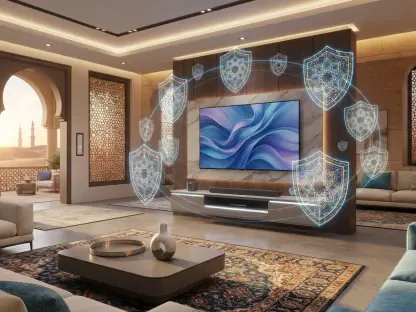
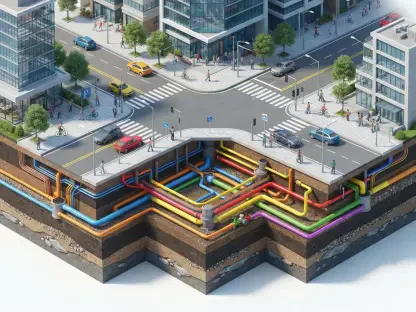
Technological innovation is playing a pivotal role in the seamless operation of these resort-style complexes, with smart-building systems becoming the new industry standard. Recent implementations include touchless entry protocols that leverage Bluetooth-enabled smartphone credentials, allowing residents to navigate from the main lobby to their individual units without physical contact. This hands-free experience extends to automated elevator dispatch and secure parcel lockers that notify residents via mobile alerts when a delivery arrives. These systems not only enhance security but also provide a level of convenience that matches the fast-paced lifestyle of modern urban professionals. Furthermore, integrated building management platforms allow for real-time monitoring of energy usage and maintenance needs, ensuring that the infrastructure remains efficient and responsive to resident demands. This technological layer transforms the living space into a highly intuitive environment where digital connectivity is as fundamental as structural integrity.
The shift toward lifestyle-centric housing was driven by a fundamental reassessment of what constituted a modern dwelling in an increasingly dense urban environment. Property owners and investors recognized that a managed ecosystem of services provided a competitive advantage that traditional apartment buildings could not match. By incorporating commercial-grade operators for specialized services like massage therapy, beauty treatments, and concierge assistance, developers created self-sustaining communities that functioned with the precision of high-end resorts. This strategy effectively addressed the growing need for convenience and holistic care, ensuring that every aspect of the resident’s life was supported within the building’s infrastructure. To maintain this momentum, stakeholders prioritized the development of mixed-use precincts that combined residential luxury with local retail and healthcare services. This proactive stance defined the next generation of housing, where the integration of health and community became the primary benchmark for residential excellence.