

The environmental toll of manufacturing new office components can be mitigated by prioritizing the reuse of partitions and furniture during a transition. As the construction industry grapples with its climate impact, the focus has shifted sharply toward embodied carbon—the emissions associated with
Data from a recent consultation indicates that 68 percent of industry professionals believe work on load-bearing walls must remain under the strictest level of government oversight. This insight arrives at a pivotal moment as the British government works to refine the Higher-Risk Building (HRB)
The transition to including build-to-rent projects reflects an agile approach to immigration that prioritizes long-term housing solutions for a growing national population. The recent shift in New Zealand's immigration policy signals a bold move to bridge the gap between foreign capital and the
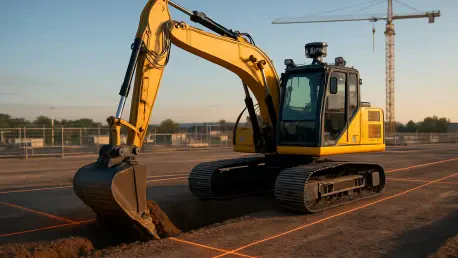
A single person requires five or more years of intensive training to master an excavator, creating a bottleneck that autonomous systems aim to eliminate. As the infrastructure demands of 2026 continue to surge across the United States, the construction industry faces a critical deficit of skilled

Commercial facility operators currently face significant financial strain as electricity prices rose by 5.2% during the early months of 2026. This sudden spike has forced a radical rethink of how commercial spaces are managed, pushing building owners beyond the low-hanging fruit of simple bulb

The updated regulations permit residential structures to sit one meter closer to the street curb to maximize the availability of private backyard space. This shift marks a significant departure from traditional planning constraints that often left homeowners with cramped outdoor areas despite

The current housing landscape is increasingly defined by the ability of local governments to implement proactive policies that encourage new residential development. This dynamic has propelled the American South into a dominant position, where the scale of construction activity significantly dwarfs

The transition from 2D fragmented drawings to data-rich digital objects represents a mandatory ladder that firms must climb before they can utilize generative design or autonomous monitoring. The construction industry has long been characterized by a disjointed approach to technological adoption,
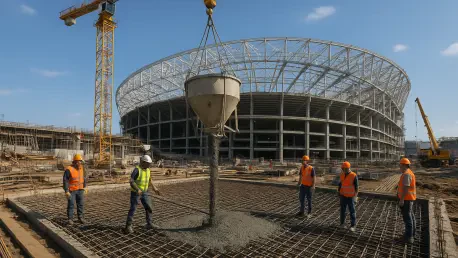
The Alassane Ouattara Stadium in Ivory Coast required 60,000 tons of high-performance cement specifically engineered to maintain structural integrity in extreme tropical humidity. This technical requirement highlights a broader trend where the construction of world-class athletic facilities is
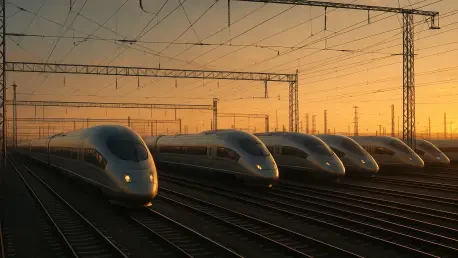
The new Poznań South-Western hub is being designed as a 24/7 operational center capable of performing both daily routine checks and intensive periodic inspections. This ambitious project serves as a cornerstone for PKP Intercity’s broader technical evolution, marking a decisive departure from


