

The Engineering, Procurement, and Construction sector has moved definitively past the experimental phase of digital adoption into a period of rigorous, high-stakes execution. As capital projects grow in complexity and technical demands become more stringent, the industry has embraced connected

Architects have designed the Waldorf Astoria Miami as a series of offset glass cubes that will eventually reach the milestone of eighty-five stories. This structure represents more than just a feat of engineering; it symbolizes a dramatic shift in the city’s identity from a vacation destination

Since its implementation nearly forty years ago, 7 CFR part 1924 has created an overlapping layer of bureaucracy that complicates the development of affordable rural homes. This federal regulation, originally intended to ensure quality in areas lacking local oversight, has become an obstacle as

Designers have doubled their use of AI for planning and design tasks, moving away from simple administrative automation toward sophisticated visual conceptualization. This shift marks a turning point in the residential improvement sector, where what was once an experimental novelty has matured into
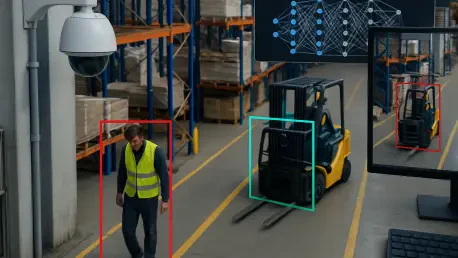
The transition to AI-driven safety management is driven by the need for structured data processing in environments where manual oversight is prone to error. Industrial sites currently face an unprecedented volume of operational data, making it nearly impossible for human safety officers to monitor

Legacy architectural tools often prioritize geometric representation over the deterministic data needed to manage the thin profit margins of production homebuilding. For decades, the residential sector has leaned heavily on static drawings and disconnected spreadsheets, creating a systemic

Nashville and Austin continue to solidify their status as top-tier development hubs by maintaining positions within the five largest hotel pipelines in the country. This surge is part of a broader national trend where urban centers are reinventing their skylines through aggressive hospitality
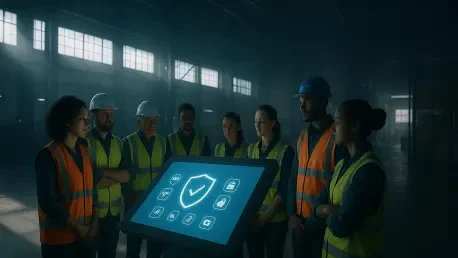
The quiet efficiency of a modern job site often masks a troubling trend that has become increasingly visible since the start of 2026. The rising complexity of modern occupational hazards means that a single workplace injury can now result in devastating financial and operational impacts for a
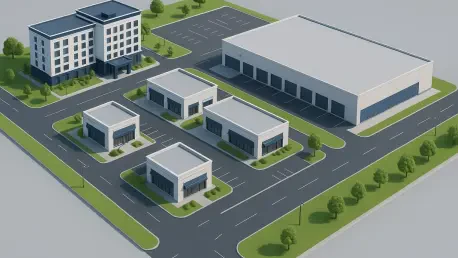
Future development along the K-10 Highway corridor requires a rigorous evaluation of environmental protections and the preservation of sensitive agricultural lands. Douglas County currently stands at a significant crossroads as local leaders prepare to evaluate a massive $153.6 million development
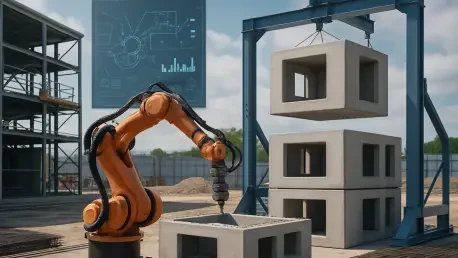
Contractors are increasingly adopting modularization and offsite fabrication to meet aggressive schedules while mitigating the effects of local labor shortages. This operational shift represents only the tip of a much larger iceberg as artificial intelligence moves from a back-office optimization


