
The residential construction industry is currently navigating a period of profound transformation, moving away from a traditional, sales-led cyclical model toward one defined by institutional stability. Today’s housebuilding sector faces a “perfect storm” of economic pressures, including escalating construction costs, high borrowing rates, dampened consumer confidence, and more stringent regulatory requirements regarding safety and biodiversity. Integrating Build to Rent units into a development site transforms a portion of the project into an income-producing asset that provides a buffer against private sales market volatility. This shift is not merely a reaction to temporary market cooling but represents a fundamental structural evolution. In this volatile climate, Build to Rent (BTR) joint ventures have emerged as a primary mechanism for ensuring the viability of large-scale projects. Rather than being a niche alternative, BTR represents a fundamental structural solution to the delivery challenges inherent in the modern real estate market.
The Shift from Volatility to Institutional Stability
Mitigating the Risks of Sales-Led Development: Part 1
The historical reliance on private sales has often left developers vulnerable to the whims of mortgage availability and broader economic sentiment. When interest rates fluctuate or buyer confidence dips, projects that depend entirely on individual sales frequently grind to a halt. This creates a stop-start cycle that disrupts supply chains and leads to the loss of skilled labor across the industry. However, by incorporating rental units into the master plan, developers can maintain a constant flow of activity regardless of the retail market. This approach effectively decouples a portion of the delivery timeline from the immediate pressures of the consumer housing market. It allows for a more predictable construction schedule, which is vital for maintaining relationships with subcontractors and ensuring that delivery targets are met. Furthermore, the presence of a guaranteed exit for a segment of the units simplifies the initial financing stage, as lenders view the diversified income stream as a significant reduction in overall project risk.
Mitigating the Risks of Sales-Led Development: Part 2
A secondary but equally vital benefit of this transition is the optimization of land use and the acceleration of site-wide delivery. Traditionally, developers have been forced to phase large sites over many years to avoid oversupplying the local market and depressing prices. This “drip-feed” approach often leads to sites sitting partially completed for years, frustrating local planning authorities and existing residents alike. Build to Rent units, by contrast, can be absorbed by the market much faster than units for sale. Because the tenant base is broader and the financial barriers to entry are lower for renters than for buyers, hundreds of units can be occupied in the same timeframe it might take to sell a dozen houses. This rapid absorption allows developers to complete infrastructure and community amenities much earlier in the project lifecycle. Consequently, the entire neighborhood matures faster, creating a more attractive environment for the remaining private-sale homes and enhancing the value of the entire development.
The Impact of Institutional Capital and Underwriting: Part 1
Institutional capital has become the backbone of modern large-scale residential projects, providing a level of financial depth that traditional bank lending cannot always match. In the current market, major pension funds and insurance companies are seeking long-term, inflation-linked returns, which high-quality rental housing provides perfectly. This influx of capital has transformed the sector from a fragmented collection of small-scale landlords into a sophisticated, professional asset class. For developers, this means access to forward-funding arrangements where the institutional investor covers the costs of construction in exchange for ownership of the finished product. This model significantly reduces the developer’s capital requirements and shifts the burden of interest rate volatility onto the investor, who is better equipped to manage long-term financial shifts. The result is a more resilient development pipeline that can continue to function even when traditional credit markets for individual mortgages are constrained.
The Impact of Institutional Capital and Underwriting: Part 2
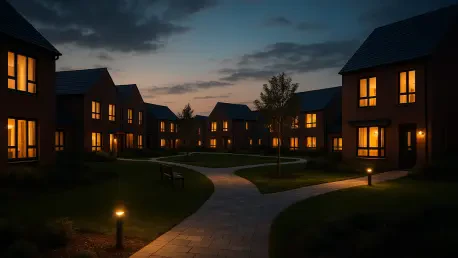
Beyond just funding urban apartment blocks, institutional investors are increasingly focusing on single-family housing in suburban locations. This expansion is critical because it brings the benefits of professional management and stable delivery to the types of homes most in demand by families. These suburban rental schemes often provide higher-quality finishes and better maintenance than the fragmented private rental sector. By underwriting these developments, institutional partners enable housebuilders to tackle larger, more complex sites that might otherwise be considered too risky for a pure sales model. The presence of a long-term owner also ensures that the quality of the public realm is maintained, as the investor’s return is directly tied to the enduring appeal of the neighborhood. This alignment of interests between the developer, the investor, and the resident creates a virtuous cycle of quality and stability that supports the goal of increasing the housing stock while maintaining high standards of livability.
Strategic Frameworks for Successful Integration
Integrating Design and Financial Structuring: Part 1
Successful integration of rental units requires a shift in how projects are conceptualized from the very first sketch. It is no longer sufficient to simply designate a block of units as “rental” after the design is finalized. Instead, architects and planners must consider the specific operational needs of professional landlords, such as efficient waste management systems, durable interior finishes, and centralized maintenance access. For instance, designing for longevity involves selecting materials that can withstand more frequent tenant turnover without requiring costly renovations. Additionally, the inclusion of shared amenities like co-working spaces, gyms, and resident lounges can significantly boost the attractiveness of a scheme, but these must be integrated into the core building fabric to remain cost-effective. When these elements are planned from the start, the rental component feels like a deliberate and high-quality part of the community rather than a secondary addition, which helps to foster a sense of belonging among the residents.
Integrating Design and Financial Structuring: Part 2
Financial structuring also plays a pivotal role in the success of these joint ventures, requiring a move toward more collaborative and transparent models. Developers and investors are increasingly utilizing equity-sharing arrangements where both parties have a stake in the long-term performance of the asset. This differs from the traditional “fee-for-service” model and ensures that the developer remains committed to the quality and efficiency of the build. Such structures often include performance-based milestones that reward developers for meeting sustainability targets or achieving high resident satisfaction scores. By sharing both the potential upside and the operational risks, these partnerships create a more robust framework for navigating the complexities of modern construction. Moreover, this transparency extends to the management of construction costs, as institutional investors require detailed reporting and rigorous oversight. This discipline leads to more efficient building practices and a reduction in waste, further enhancing sustainability.
Phasing for Infrastructure and Operational Excellence: Part 1
Strategic phasing is the engine that drives the commercial and social success of mixed-tenure developments. By delivering rental units in the early stages of a project, developers can generate the necessary cash flow to fund major infrastructure requirements, such as new schools, health centers, or transport links. This is a significant departure from the old model where such amenities were often delayed until the final phases of a multi-year build-out. The early provision of infrastructure not only satisfies planning obligations but also makes the site more appealing to private buyers who might otherwise be wary of moving into an active construction zone without local services. Furthermore, the rapid occupation of rental homes creates an immediate “critical mass” of residents, which is vital for the survival of on-site commercial tenants like grocery stores and independent cafes. This early footfall transforms the site from a construction project into a functioning neighborhood, which helps to stabilize the local economy.
Phasing for Infrastructure and Operational Excellence: Part 2
Operational excellence is the final piece of the puzzle, ensuring that the development remains a desirable place to live for years to come. Professional management teams provide a level of service that was previously rare in the rental market, including on-site property managers, rapid repair services, and community events. This focus on the “resident experience” is not just about convenience; it is a fundamental part of the asset’s value. High levels of tenant retention reduce the costs associated with vacancies and re-letting, providing a more stable income stream for the investor. Additionally, professional management ensures that the aesthetic and functional quality of the buildings and landscaping is preserved, which protects the value of the neighboring private-sale homes. This commitment to long-term stewardship often earns the trust of local authorities, who are more likely to approve future projects from developers with a proven track record of maintaining high-quality environments.
Future Delivery and Partnership Resiliency
A Sustainable Path for Future Delivery: Part 1
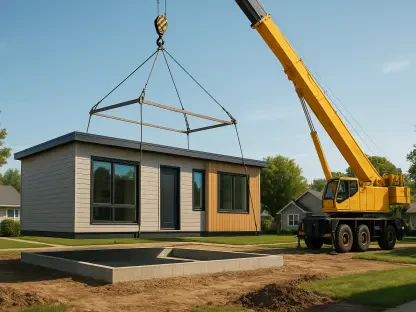
Looking toward the future, the integration of technology and sustainability will further define the resilience of the housebuilding sector. Smart home systems and energy-efficient building envelopes are becoming standard in institutional projects, as they lower operational costs and appeal to environmentally conscious tenants. These features also ensure that assets remain compliant with increasingly strict carbon-neutral regulations, protecting them from future obsolescence. Developers who prioritize these elements in their joint ventures are likely to see higher demand and more favorable financing terms. The industry is also seeing a rise in modular and off-site construction methods, which pair perfectly with the standardized requirements of the rental sector. By utilizing these technologies, developers can further reduce build times and improve quality control, creating a more predictable and sustainable delivery model. This focus on innovation ensures that the housing market can adapt to the evolving needs of society.
A Sustainable Path for Future Delivery: Part 2
In summary, the transition toward institutional rental models provided a necessary corrective to the volatility of the traditional housebuilding cycle. Stakeholders recognized that a diversified approach to tenure allowed for more consistent delivery and better social outcomes across the board. The industry moved away from purely speculative models and instead embraced long-term partnerships that prioritized quality, management, and community stability. This evolution ensured that housing supply remained resilient even during periods of broader economic uncertainty. Developers and investors who adopted these collaborative strategies established a new benchmark for the residential sector, focusing on the delivery of neighborhoods rather than just individual units. As the market progressed, this institutional discipline became the foundation for a more sustainable and equitable housing landscape. Ultimately, the successful implementation of these frameworks proved that stability in housebuilding depended on a shift from short-term sales to long-term service.