
A central theme of the modern housing market is the resetting of the benchmark for what constitutes a ‘reasonable’ timeframe for property repairs. This shift is primarily driven by the expansion of Awaab’s Law, a legislative response to the 2020 tragedy involving Awaab Ishak. While initial mandates focused on the social housing sector, the landscape in 2026 reflects a rapid migration of these standards into the private rented sector. The Renters’ Rights Act serves as the primary vehicle for this transition, ensuring that every tenant, regardless of their landlord’s status, is protected from life-threatening hazards like damp and mold. This evolution signifies a departure from the traditional hands-off approach to property oversight, replacing it with a rigorous, time-sensitive framework. Landlords must recognize that the legal definition of “reasonable” has been compressed, leaving little room for the delays that once characterized the industry. As the regulatory net tightens, the focus has shifted toward universal safety.
Redefining Property Management: Proactive vs. Reactive Models
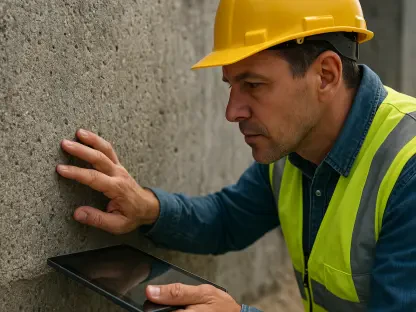
The transition from a reactive “break-fix” model to a proactive management strategy is now a fundamental requirement for success in the current rental market. In previous years, many property owners operated under the assumption that if a tenant did not complain, the property was legally sound. However, the 2026 regulatory environment dictates that landlords must actively monitor for latent hazards before they escalate into health crises. Implementing a structured triage process is no longer just a recommendation but a vital operational necessity. This proactive stance involves scheduled inspections that go beyond cosmetic checks, focusing instead on structural integrity, ventilation efficiency, and insulation quality. By identifying potential issues such as minor leaks or poorly functioning extractors early, landlords can mitigate the risk of severe mold growth. This shift requires a mental reorganization where property safety is treated as a continuous compliance obligation rather than an occasional maintenance task.
Professionalizing documentation has emerged as the definitive cornerstone of risk mitigation for property managers navigating these new standards. In modern legal disputes, the outcome is rarely determined by a landlord’s stated intentions but rather by the verifiable quality of their evidence. The current climate demands that every interaction, from the initial tenant report to the final contractor sign-off, be recorded with corporate-level precision. This means maintaining time-stamped digital logs of phone calls, emails, and physical inspections to create an unassailable audit trail. Even when repairs are performed promptly, a lack of documented communication can leave a landlord vulnerable to significant disrepair claims. By adopting rigorous record-keeping practices, landlords transform their administrative processes into a defensive shield. This professionalization reflects a broader industry trend where data management is as critical as physical maintenance. It ensures that every action taken to secure a tenant’s safety is visible.
Technical Requirements: Understanding the Response Timelines
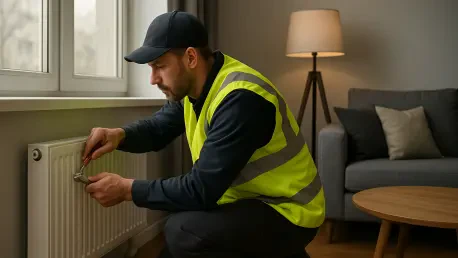
Phase 2 of the legislative rollout introduces non-negotiable deadlines that leave no room for administrative ambiguity regarding tenant safety. For hazards classified as emergencies—such as gas leaks, total loss of heating during winter, or severe electrical faults—landlords are now required to investigate and make the property safe within 24 hours. This high bar is designed to eliminate the period of vulnerability that tenants often face between reporting a life-threatening issue and receiving professional assistance. For private landlords, meeting this 24-hour window requires having a pre-vetted network of emergency contractors available around the clock. The focus is not necessarily on completing a permanent repair within one day, but rather on removing the immediate threat to health or life. This standard reflects a societal consensus that certain risks are too great to be subject to standard business hours, forcing a revaluation of how maintenance contracts are structured and managed.
For hazards that are significant but not categorized as immediate emergencies, the response timeline remains exceptionally tight under the 2026 guidelines. An investigation into a reported significant hazard must be initiated within 10 working days, with a written summary of the findings provided to the tenant within three days of that visit. Once the investigation is complete, the landlord must ensure that remedial work begins within five working days. While major structural repairs are granted a larger 12-week window for full completion, the requirement to start mitigation work almost immediately prevents issues like rising damp from worsening. These benchmarks provide a clear and predictable framework that removes the subjective interpretations of “reasonable time” that previously led to prolonged disputes. By following these specific sequences, landlords can demonstrate a high level of compliance while ensuring that the living conditions of their tenants remain consistently safe and healthy.
Seasonal Vulnerabilities: Bridging the Documentation Gap
The arrival of winter traditionally represents a period of peak risk for the rental sector, as cold weather intersects with structural flaws to create dangerous living conditions. Current data from 2026 indicates that private rentals continue to show a higher prevalence of damp and “Category 1” hazards compared to other housing sectors. During these months, the combined pressure of falling external temperatures and rising energy costs often leads tenants to reduce heating and ventilation, which inadvertently fuels the growth of mold. This seasonal surge can easily overwhelm landlords who rely on informal management systems, leading to missed statutory deadlines and heightened legal liability. Addressing these risks requires more than just reactive repairs; it demands an understanding of how environmental factors influence building performance. Proactive property owners are now using winter as a catalyst to test the resilience of their portfolios, ensuring that insulation and heating are optimized.
A recurring vulnerability in the private rental sector is the “documentation gap,” which often leaves property owners defenseless during formal disputes or tribunal hearings. Relying on informal communication methods, such as verbal agreements or unlogged text messages, creates a fragmented history that fails to meet the evidentiary standards required in 2026. In any legal proceeding, the burden of proof typically shifts toward the landlord to demonstrate that they acted within the mandated timeframes. Without a comprehensive audit trail that includes “before and after” photographs, detailed work logs, and signed completion certificates, a landlord’s defense is significantly weakened. This gap often results in heavy financial penalties, even if the underlying repair was eventually completed. To close this gap, landlords must implement centralized communication platforms that automatically log every interaction. This level of transparency not only protects the property owner but also fosters a culture of accountability.
Strategic Framework: Achieving Sustainable Compliance
Establishing a strategic framework for compliance involves the immediate adoption of unified reporting systems that consolidate all hazard reports into a single digital record. This approach ensures that every tenant complaint, whether received via phone, email, or a management portal, is time-stamped and tracked against statutory deadlines. By voluntarily adhering to the 24-hour and 10-day investigation windows now, landlords can build a robust track record of responsible property management that will serve as a powerful defense in future legal challenges. This early adoption strategy also allows property managers to identify bottlenecks in their current workflows and refine their contractor networks before the regulations become even more stringent. Viewing these standards as the current “gold standard” rather than a future hurdle allows for a smoother operational transition. Ultimately, those who prioritize organizational transparency and speed will find themselves best positioned to navigate the evolving regulatory landscape.
Final considerations for maintaining high safety standards involved increasing contractor accountability and conducting rigorous seasonal maintenance audits. Landlords ensured that third-party contractors provided detailed evidence of their work, including specific descriptions of the hazard mitigation and photographic proof of the resolution. Implementing a schedule of pre-winter audits for heating, ventilation, and insulation preempted the most common Category 1 hazards, significantly reducing the volume of emergency reports during peak periods. These proactive measures not only protected the tenant’s health but also preserved the long-term value of the property asset by preventing structural degradation. In the modern rental market, property management evolved into a sophisticated discipline that balanced physical upkeep with rigorous data management. Success was achieved by those who recognized that safe housing was the result of persistent oversight, clear communication, and an unwavering commitment to meeting the high benchmarks.