
Privacy-conscious consumers are increasingly prioritizing security devices that store fingerprints and video logs locally rather than on vulnerable remote cloud servers. This shift marks a significant departure from the previous decade, where centralized cloud storage was the industry standard despite recurring concerns over data breaches and unauthorized access. As of 2026, the marketplace has adapted to these demands by offering a diverse array of hardware that combines sophisticated encryption with user-controlled storage options. The democratization of residential defense technology has empowered individuals to move away from the traditional, high-cost models characterized by professional installation and perpetual monthly contracts. Instead, the focus has pivoted toward modular, do-it-yourself systems that offer identical, if not superior, protection metrics. By leveraging advancements in localized edge computing, modern security tools now process data directly on the device, ensuring that sensitive information—ranging from high-definition facial scans to biometric entry logs—remains within the physical confines of the home. This evolution reflects a broader trend toward digital sovereignty, where homeowners seek to fortify their property without compromising their personal privacy or financial stability over the long term.
Visual Surveillance: The Impact of High-Definition Doorbell Technology
The modern video doorbell has transitioned from a niche luxury to a foundational element of any residential security strategy. In the current 2026 landscape, devices like the Tapo D205 2K Wireless Video Doorbell have redefined expectations for entry-level hardware by offering high-resolution monitoring without the burden of recurring fees. Unlike legacy models that often required a paid subscription to access basic video history, these contemporary units utilize local storage slots, allowing homeowners to retain 2K-resolution footage of every visitor or package delivery. The 160-degree ultra-wide field of view is particularly effective in eliminating the blind spots that previously plagued front porch environments, ensuring that movement is captured from the moment a person enters the property line. Furthermore, the integration of long-range wireless connectivity and six-month battery cycles has removed the technical barriers that once discouraged renters and non-technical owners from implementing these systems. This shift toward affordable, high-performance visual deterrents has significantly impacted the prevalence of package theft, as the mere presence of an active, high-definition lens serves as a powerful psychological barrier against opportunistic crime.
Biometric Entry: Localized Security in Smart Locking Systems
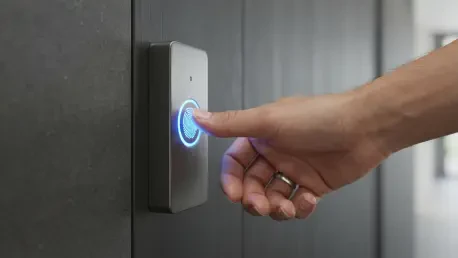
Physical barriers remain the primary line of defense, yet they have been fundamentally enhanced by the integration of biometric intelligence and localized data management. The transition from traditional mechanical keys to smart locks, exemplified by the Veise VE017, addresses the inherent human vulnerability of forgetting to lock doors or losing physical keys. By offering multiple entry methods—including fingerprint recognition, digital passcodes, and physical backups—these devices cater to a wide range of household needs while maintaining a high security ceiling. A critical development in 2026 is the movement toward on-device encryption for biometric data, ensuring that a user’s unique fingerprint signature is never transmitted to a remote server where it could be intercepted. This localized approach not only enhances privacy but also reduces latency, allowing for near-instant access upon contact. The operational longevity of these units, often exceeding a year on standard batteries, ensures that the system remains reliable even during power outages. By shifting the focus from external monitoring to robust, localized access control, homeowners can manage their property’s perimeter with a level of precision that was previously reserved for high-security commercial facilities.
Digital Resilience: Protecting the Wi-Fi 6 Network Infrastructure
A residence’s physical security is only as dependable as the digital network that facilitates communication between cameras, sensors, and mobile applications. In 2026, the router has emerged as the critical “digital backbone” of the smart home, acting as the primary gatekeeper against cyber-intrusions that could potentially disable physical security measures. High-performance routers, such as the Asus RT-AX1800S, have become essential security gadgets because they provide the necessary bandwidth and stability to support multiple high-definition security feeds simultaneously. The adoption of Wi-Fi 6 technology ensures that security devices do not experience the signal congestion or latency that could lead to missed alerts or frozen video frames during critical moments. Moreover, the inclusion of built-in defensive layers, such as real-time malware filtering and virtual private network support, provides an invisible shield for all connected devices. This holistic view of home safety recognizes that a compromised network is just as dangerous as an unlocked door. By securing the wireless environment, homeowners prevent sophisticated hackers from gaining a foothold in their digital lives, thereby ensuring that their physical security gadgets remain operational and uncompromised.
Peripheral Protection: The Utility of High-Lumen Motion Illumination
Illumination has long been recognized as one of the most effective and cost-efficient deterrents in the security arsenal, and modern advancements have only increased its tactical value. Motion-activated floodlights, such as the Lutec 72W system, provide a formidable layer of defense by flooding the property with extreme brightness the moment unauthorized movement is detected. Generating up to 7500 lumens, these units are designed to eliminate the shadows and dark corners where intruders might attempt to hide or tamper with other security devices. In 2026, the trend has shifted toward highly customizable lighting systems that offer multiple operational modes, such as dusk-to-dawn monitoring or manual overrides, allowing users to tailor the response to their specific environment. While these lights are significantly more affordable than high-end camera systems with integrated sirens, their psychological impact on a potential intruder is often more immediate. The sudden transition from darkness to high-intensity light triggers an instinctive retreat response, often preventing a crime before a physical breach can occur. This makes motion lighting a vital component of a peripheral defense strategy, providing a low-maintenance and highly effective solution for driveways, backyards, and side entrances.
Point-of-Entry Monitoring: The Role of Modular Sensor Ecosystems
While front doors and driveways receive the most attention, secondary points of entry like windows and side doors are frequently the most vulnerable targets for forced entry. To address this, modular entry sensor kits have become a staple of the affordable security market, providing comprehensive perimeter monitoring through simple contact-sensing technology. These systems, such as the Tapo Door Sensor Starter Kit, utilize a central hub that serves as the administrative brain for the entire ecosystem, capable of managing dozens of individual sensors. When a window or door is opened unexpectedly, the system can trigger a 90-decibel alarm and send an instantaneous notification to the user’s smartphone, regardless of their location. The modularity of these kits allows homeowners to start with a basic setup and expand their coverage as their budget allows, ensuring that no entry point is left unmonitored. By integrating these sensors with other smart devices, such as cameras and lights, users can create automated routines where a triggered window sensor automatically turns on the floodlights and starts a video recording. This level of synchronization creates a cohesive and responsive security net that adapts to the specific layout of any home.
Strategic Implementation: Building a Multi-Layered Security Framework
The integration of these various gadgets successfully provided a comprehensive shield for the modern home, proving that effective protection did not require a massive financial investment. Homeowners who adopted these decentralized measures discovered that a multi-layered approach, often costing less than $300 in total, offered a level of situational awareness that surpassed older, professional systems. The transition toward localized storage and DIY installation was a defining characteristic of this era, as users prioritized the ownership of their data and the simplicity of hardware maintenance. By combining visual surveillance, biometric locks, network fortification, and motion-activated illumination, individuals effectively constructed a defense-in-depth strategy that addressed both physical and digital vulnerabilities. To maintain this security posture, it became common practice for users to conduct monthly audits of their device firmware and test the battery levels of their peripheral sensors. Looking ahead, the focus remained on the continued expansion of these ecosystems through the addition of specialized tools like water leak detectors or carbon monoxide monitors, further enhancing the safety of the domestic environment. The success of these affordable gadgets demonstrated that peace of mind was achievable through strategic selection and consistent maintenance rather than expensive service contracts.