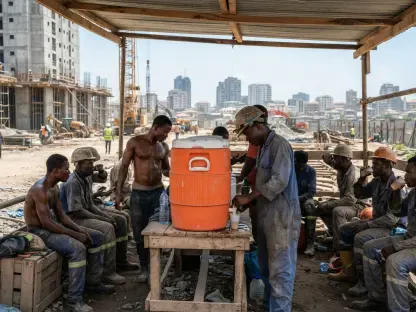

The government’s new lifecycle approach to infrastructure demands that fire safety be integrated into every stage of development, from the initial permit to daily operations. This strategic shift represents a significant evolution in Rwanda’s public safety policy, moving away from a traditional reactive firefighting posture toward a proactive, prevention-oriented framework. As the nation continues to experience an unprecedented wave of rapid urban development, the necessity for robust infrastructure that can support this growth without compromising the safety of its citizens has never been more apparent. The current nationwide inspection campaign, led by a joint government task force, is designed to align every commercial and public facility with rigorous modern building codes. By identifying potential risks before they escalate into catastrophes, the state is effectively creating a more secure environment that fosters sustainable economic development. This initiative is not merely about compliance; it is a foundational pillar for a resilient urban future.
Identifying Vulnerabilities and Operational Hazards
Addressing Infrastructure Gaps: Hardware and Early Warning Systems
Recent inspections have brought to light alarming deficiencies in the basic safety hardware of numerous high-traffic buildings across the country. One of the primary concerns identified by the Ministry of Infrastructure involves the presence of non-functional or expired firefighting equipment, such as fire extinguishers that have not been serviced for years. In many instances, these tools were found to be purely ornamental rather than operational, leaving occupants vulnerable in the event of an emergency. Furthermore, the absence of reliable early-warning systems, including smoke detectors and interconnected fire alarms, remains a widespread issue in commercial structures. Without these critical components, the window for successful evacuation is drastically narrowed. Additionally, the task force noted a recurring lack of dedicated water supply infrastructure, such as reserved water tanks, which are mandatory under current building codes to assist emergency responders during a crisis.
Critical Management Failures: Space Misuse and Overcrowding
Beyond the technical failures of safety equipment, the inspection teams discovered hazardous spatial mismanagement practices that significantly increase the risk of fatalities during a fire. A particularly troubling trend involves the repurposing of designated emergency assembly points; some property owners have converted these vital safety zones into recreational facilities, such as swimming pools, or utilized them for additional commercial storage. This total disregard for safety protocols extends to the physical layout of buildings, where emergency exits are frequently found blocked by merchandise, permanent structural modifications, or waste. Such obstacles effectively turn office buildings and busy marketplaces into potential death traps by preventing a swift and orderly exit. Overcrowding further exacerbates these dangers, as many facilities currently accommodate far more tenants and visitors than their original architectural designs allow, making a controlled evacuation nearly impossible.
Mitigating Modern Hazards: Combustible Storage and Energy Risks
The investigation into operational safety also revealed significant risks associated with the storage and handling of flammable materials within densely populated commercial zones. Inspectors identified numerous cases where combustible items, including wood, industrial paint, petrol, and high-proof alcohol, were stored in close proximity without any proper containment or fire-suppression measures in place. Such negligence creates an environment where a minor electrical spark or a small accident could rapidly evolve into an uncontrollable blaze. Moreover, the nationwide transition toward modern energy solutions has introduced a new set of fire risks that require immediate attention. The widespread use of large gas canisters for cooking and the installation of high-voltage electrical appliances in older buildings demand a much higher level of routine maintenance and user awareness than is currently practiced, necessitating stricter oversight to mitigate modern domestic hazards.
Enforcement Policies and Future-Proofing
Regulatory Strictness: Balancing Safety with Economic Interests
The government has demonstrated a firm commitment to these safety standards by taking decisive enforcement actions against non-compliant property owners. In the capital city of Kigali alone, the joint task force recently oversaw the temporary closure of fifteen major commercial buildings that failed to meet the minimum safety requirements. These actions serve as a clear warning that public safety is a non-negotiable priority that cannot be sidelined for the sake of convenience or profit. While some members of the private sector have expressed concerns regarding the economic impact of these sudden closures, the Ministry of Infrastructure remains steadfast in its position that the protection of human life is the absolute priority. There is an ongoing dialogue aimed at providing owners with clearer timelines and collaborative support, yet the fundamental message remains that compliance is a mandatory prerequisite for the operation of any commercial or public facility in the nation.
Technological Integration: Drones and Surveillance Innovation
Innovation is playing a pivotal role in this safety overhaul, as Rwanda integrates advanced technological tools into its national emergency response strategy. The Fire and Rescue Brigade has recently acquired specialized drones designed to enhance operational efficiency during complex fire incidents. These unmanned aerial vehicles are being utilized to provide real-time surveillance, allowing commanders to gain a comprehensive aerial view of a scene to identify hotspots and structural weaknesses. This technology is particularly valuable for search and rescue missions in large, multi-story buildings where ground visibility is often obstructed by thick smoke. Beyond active emergency response, these drones are being deployed for preventative mapping and assessment. By capturing high-resolution imagery of building layouts and surrounding infrastructure, authorities can better evaluate potential hazards and plan more effective intervention strategies before an incident occurs.
Sustainable Safety: The Lifecycle Approach and Professional Liability
The transition toward a culture of accountability was finalized through the implementation of a comprehensive lifecycle approach to building safety. Engineers, architects, and developers were held to significantly higher professional standards, with the state ensuring that fire safety was not treated as an afterthought but as a core component of structural integrity. Legal and financial consequences were established for those whose negligence led to avoidable accidents, fostering a new environment of responsibility within the real estate sector. The government successfully combined strict regulatory enforcement with the adoption of cutting-edge technology to protect the nation’s rapid socio-economic gains. By treating fire safety as a foundational business cost rather than an optional expense, Rwanda built a more resilient infrastructure. These coordinated efforts moved the country toward a future where rapid urban growth and public safety were no longer mutually exclusive goals but rather unified priorities.