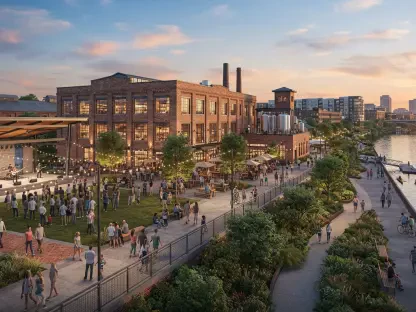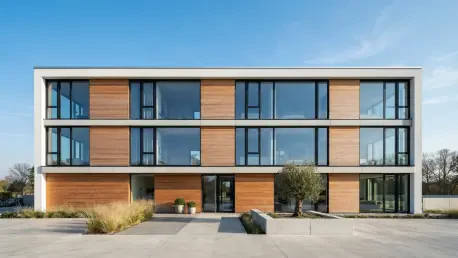

The Alyssa’s mix of studio, one-, two-, and three-bedroom floor plans caters to the diverse housing needs of the growing workforce in the surrounding finance and technology corridor. This specific segment of the Arizona real estate market has seen a significant surge in demand as high-earning professionals migrate toward urban centers that offer more than just a place to sleep. The successful stabilization of this asset within an eighteen-month window reflects a broader shift in how developers approach the Phoenix metropolitan area. By focusing on Class A multifamily developments that prioritize both aesthetic appeal and structural quality, industry leaders are effectively capturing the attention of institutional investors. The recent securing of seventy-eight million dollars in take-out financing serves as a testament to the property’s viability and the strength of the local economy. This capital injection underscores the importance of strategic partnerships between developers and professional management firms in achieving rapid market absorption.
Strategic Financial Foundations: The Role of Institutional Capital
The successful facilitation of seventy-eight point five million dollars in construction take-out financing represents a pivotal moment for this four-story residential community. Representing the borrower, JLL Capital Markets secured this funding through a senior credit platform, effectively replacing the initial construction debt with a more stable, long-term credit solution. This financial milestone is particularly noteworthy because it follows the property’s completion and its remarkably rapid stabilization within the Arizona market. Such a quick transition from construction to a stabilized income-producing asset highlights the operational efficiency of the management team and the inherent value of the development itself. By securing this financing, the stakeholders have solidified the asset’s position in the competitive Phoenix metropolitan real estate market, ensuring that the project remains a cornerstone of the North Tempe submarket for the foreseeable future, driving long-term value for all involved parties.
Geographic Advantages: Leveraging Economic Hubs and Transit Connectivity
The primary driver behind the property’s strong performance is its strategic location at ninety-eight South River Drive within the North Tempe/University submarket. This area is a significant economic hub, anchored by Arizona State University and a burgeoning technology and finance corridor that continues to expand rapidly. The development is situated adjacent to Tempe Marketplace, providing residents with immediate access to over one point three million square feet of retail and dining options. Furthermore, the property benefits from exceptional transit connectivity via the Metro Light Rail and proximity to major highway interchanges, linking residents to Downtown Phoenix and the international airport. This level of accessibility is a critical factor for the target demographic of young professionals who value efficiency and proximity to their workplace. By situating the project at the heart of such a vibrant district, the developers ensured a constant stream of high-quality potential tenants seeking convenience.
Operational Insights: Key Lessons for Future Multifamily Developments
The project’s success was largely attributed to the collaboration between the developer and a professional management team, which allowed the asset to reach full potential quickly. Moving forward, developers found that integrating high-end finishes like natural stone countertops and ten-foot ceilings was no longer optional but a requirement for Class A status. The inclusion of modern amenities such as Peloton-equipped fitness centers and electric vehicle charging stations addressed the specific lifestyle preferences of a tech-savvy workforce. Stakeholders realized that future success in the multifamily sector would depend on the ability to provide integrated co-working spaces that accommodate remote work trends. This project proved that properties offering a seamless blend of luxury and utility could thrive despite market competition. Ultimately, the lessons learned from this development provided a framework for future investments, emphasizing that quality and location remain the most reliable indicators of stability.