
Catawba College Unveils Plan for a Regenerative Campus through a learning framework that integrates ecological monitoring stations and outdoor classrooms into the curriculum to turn the physical grounds into a primary pedagogical tool. By initiating this transformation in 2026, Catawba College has moved beyond standard institutional goals of carbon neutrality—a milestone it reached in 2023—to pursue a more ambitious nature-positive strategy. Located in Salisbury, North Carolina, the institution is currently redesigning its 276-acre campus to function as a self-restoring ecosystem. In collaboration with the global design firm HOK, the college seeks to bridge the gap between human infrastructure and the specific biological demands of the Piedmont region. This approach treats the land not merely as a setting for buildings but as a vital participant in the academic mission. The transition involves a fundamental shift in how the administration perceives maintenance and land use, prioritizing the health of the local watershed and the long-term resilience of the surrounding community.
Seamless Integration of Human and Natural Systems
The institutional focus on the human dimension of the landscape is organized under a strategy known as the Experience Framework, which emphasizes the physical and psychological relationship between the student body and their environment. At the heart of this vision lies the Catawba Canopy, an extensive network of accessible promenades and forested gardens designed to link residential hubs with academic centers. This infrastructure ensures that every movement across the campus is an immersive encounter with the natural world, rather than a mere transit between buildings. By prioritizing shaded walkways and diverse botanical collections, the plan addresses the increasing need for campus environments that actively promote mental health and social cohesion. These spaces are intentionally designed to be inclusive, ensuring that all community members, regardless of mobility, can find sanctuary within the regenerated landscape while fostering a shared sense of environmental stewardship.
Building on this foundation, the college is replacing traditional, resource-intensive manicured lawns with multi-layered landscapes that provide significant ecosystem services. This shift is not merely aesthetic; it represents a commitment to reducing the heat island effect and improving the microclimate of the social core. By integrating social hubs directly into these rewilded areas, the college provides students with unique settings for both formal learning and informal interaction. The design ensures that the landscape acts as a buffer against environmental stressors, creating a cooler and more comfortable atmosphere during the humid North Carolina summers. Furthermore, the integration of these green corridors encourages spontaneous gatherings and outdoor study sessions, effectively expanding the footprint of academic buildings into the fresh air. This seamless integration of nature into daily life prepares the community to value biodiversity as a fundamental component of institutional success.
Restoring Ecosystems and Biodiversity on Campus
The technical core of the campus transformation is managed through the Regeneration Framework, which prioritizes the active restoration of biological systems rather than passive preservation. Starting in 2026, the college is implementing aggressive rewilding efforts in specific zones to expand the native tree canopy and enhance the overall air quality of the region. This phase of the project focuses on the complex ecology of the North Carolina Piedmont, selecting indigenous species that are historically adapted to the local climate and soil conditions. By reintroducing these plants, the campus begins to function as a bridge between isolated forest fragments, providing a critical pathway for local wildlife to thrive. The framework also addresses the critical issue of hydrology, utilizing natural landforms and bioswales to manage stormwater runoff. These features prevent soil erosion and ensure that water returning to the local watershed is filtered through organic matter.
In addition to water management, the framework places a heavy emphasis on restoring soil health by moving away from traditional chemical maintenance practices. The goal is to build nutrient-rich, sequestering soil that can capture significant amounts of carbon, thereby contributing to the broader climate goals of the institution. This transition involves a move toward regenerative landscaping techniques, such as the use of native groundcovers and organic mulching, which naturally suppress weeds and retain moisture. By fostering a healthy underground microbiome, the college ensures that its plant life is more resilient to pests and diseases without the need for synthetic interventions. This holistic management style reflects a deeper understanding of the campus as a living organism where every component, from the microorganisms in the dirt to the tall oaks overhead, plays a role in the health of the whole. Such rigorous attention to detail ensures that the landscape is not just beautiful but biologically productive.
Educational Innovation Within a Living Laboratory
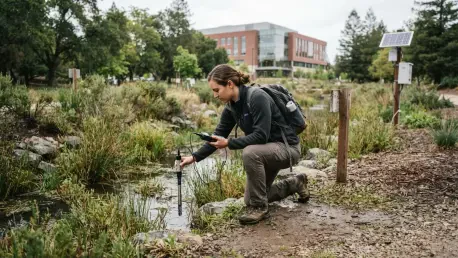
The educational value of the campus grounds is elevated through the Learning Framework, which establishes the entire 276-acre site as a dynamic classroom for interdisciplinary study. By installing sophisticated ecological monitoring stations across various habitats, the college provides a steady stream of real-time data regarding local biodiversity and atmospheric conditions. This information is accessible to students in departments ranging from environmental science to digital media and business, encouraging a broad range of perspectives on ecological health. The plan envisions a campus where a student might analyze soil carbon levels in the morning and attend a philosophy seminar in an outdoor amphitheater in the afternoon. This immersion in a functional ecosystem allows for a hands-on pedagogical approach that traditional classrooms simply cannot replicate. By observing the immediate effects of restoration projects, students develop a practical understanding of the challenges and successes inherent in modern design.
Moreover, the strategy involves active participation in the physical care and management of the landscape, turning stewardship into a core competency for graduates. Students are encouraged to engage with the Stanback Ecological Preserve and the new campus forests through research initiatives and volunteer programs that emphasize environmental ethics. This direct involvement ensures that the principles of regenerative design are not just theoretical concepts but lived experiences. As the landscape matures, the data collected will form a historical record of the college’s environmental progress, providing future generations with a wealth of information for ongoing study. The presence of these monitoring systems also attracts external researchers and community partners, positioning the college as a regional leader in ecological innovation. This collaborative environment fosters a culture of curiosity and responsibility, preparing students to lead in a world where environmental literacy is critical.
Scientific Accountability and Long-Term Community Legacy
A defining characteristic of this initiative is its reliance on measurable outcomes and scientific rigor to track the success of the regenerative transition. In partnership with experts from EcoMetrix Solutions Group and Biomimicry 3.8, the college established benchmarks focusing on water retention and soil organic matter. This inclusive approach also integrated the voices of students and the residents of Salisbury to ensure the regenerated spaces would meet diverse social needs. Projects like the outdoor amphitheater served as artistic centers while functioning as sophisticated stormwater management sites, demonstrating that social well-being and restoration are mutually reinforcing. By hosting visioning sessions, the design team ensured that the landscape promotes accessibility and equity across the campus community. This data-driven and collaborative strategy keeps the project accountable to its nature-positive goals while providing a welcoming hub for the region. It positions the college as a leader in creating environments that serve both people and the planet.
The transition toward a fully regenerative campus established a definitive roadmap that prioritized long-term resilience over immediate results. Administrators recognized that ecological restoration required a patient approach, allowing the native canopy and soil systems to mature gradually through the years leading toward the 2051 bicentennial. By integrating science-based benchmarks and interdisciplinary learning, the institution demonstrated how physical infrastructure could become a tool for regional ecological health. Future considerations focused on expanding these native corridors beyond the campus borders to create a contiguous network of protected habitats within the surrounding county. Leaders in higher education looked toward this model as a blueprint for transforming academic grounds into active participants in climate mitigation. The successful implementation of these strategies provided actionable evidence that nature-positive design was both feasible and beneficial for institutional longevity. This legacy ensured that the campus remained a vital leader.