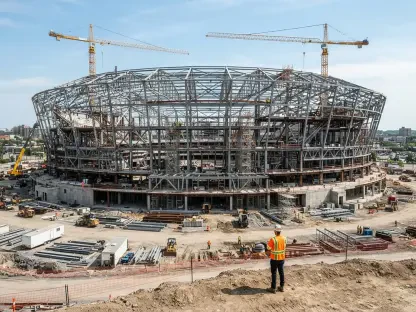

Strategic transit planning for the RFK site redevelopment now focuses on signal priority and dedicated lanes to move 19,000 daily commuters efficiently through Northeast D.C. The rapid-transit bus project, colloquially known as the Gold Line, has emerged as the centerpiece of a multimodal strategy to revitalize the historic Stadium-Armory area. With the new Washington Commanders stadium set to open its gates in 2030, the Washington Metropolitan Area Transit Authority is racing against a ticking clock to ensure the infrastructure can handle the massive influx of sports fans and new residents. This project represents a pragmatic pivot from earlier, more expensive rail expansion dreams that were deemed fiscally unattainable within the required timeframe. Instead of a billion-dollar tunnel, the city is betting on a high-capacity bus system that promises to bridge the gap between Union Station and 34th Street Northeast while supporting the construction of 6,600 units of housing.
Financial Strategy: Meeting the 2030 Construction Deadline
Securing the necessary capital remains the primary hurdle for the Gold Line’s successful deployment before the stadium’s inaugural kickoff. While the District has already allocated $5 million for initial planning and environmental assessments, the total project cost is projected to reach between $80 million and $85 million. Metro officials have clearly signaled that a dedicated funding source must be identified and legally committed by April 2027 to maintain the construction schedule. Failure to meet this budgetary milestone would likely push the completion date beyond the Summer 2030 target, leaving the city without a robust transit solution for its newest major venue. The D.C. Council is currently weighing various revenue streams, including potential federal grants and localized infrastructure bonds, to cover the remaining $75 million to $80 million gap. This financial decision-making process is complicated by the need to balance stadium-related transit with other citywide priorities.
The decision to pursue a bus rapid transit model over a secondary rail station was driven by both economic reality and the hard deadlines of urban development. A new Metrorail station at the RFK site was estimated to cost over $1 billion and would not have been operational until well after the stadium opened. By opting for the Gold Line, the District can leverage a $300 million upgrade to the existing Stadium-Armory station while deploying high-tech surface transit at a fraction of the cost. This approach allows for a faster rollout and more flexible service patterns that can be adjusted based on game-day demand or residential growth. Experts suggest that this shift reflects a broader trend in metropolitan planning where agility and cost-efficiency are prioritized over massive, long-term heavy rail projects. However, the success of this lower-cost alternative depends entirely on the city’s ability to maintain a strict timeline for procurement and road reconfiguration over the next four years.
Design Excellence: Optimizing Efficiency for Urban Transit
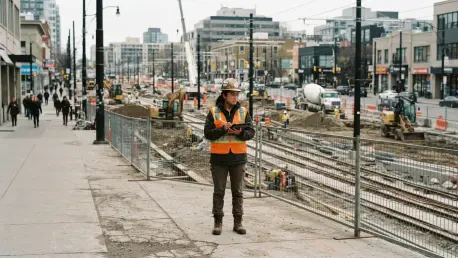
Engineering the Gold Line requires a sophisticated blend of technology and streetscape redesign to ensure that the 60-foot articulated buses maintain their five-minute frequency. The plan utilizes center-running lanes along H Street and Benning Road, a design choice intended to isolate transit vehicles from the typical congestion of Northeast traffic. By implementing advanced signal priority systems, the buses will be able to trigger green lights as they approach intersections, significantly reducing dwell times and improving overall reliability for daily commuters. Despite the intensive roadwork required, planners estimate that approximately 80% to 90% of the existing curb space along the corridor will be preserved for local business access and parking. This balance is critical for maintaining the economic health of the H Street corridor, which serves as a vital commercial artery. The integration of high-capacity transit into this dense urban fabric represents a significant test of the District’s logistical capability.
The path forward necessitated a balanced focus on both regional connectivity and the economic survival of local entrepreneurs during the transition period. City leaders like Council members Charles Allen and Wendell Felder emphasized the importance of providing financial mitigation for small businesses that might suffer from construction-related disruptions. Furthermore, the vision for the Gold Line expanded to include underserved areas east of the Anacostia River, ensuring that transit equity remained a central pillar of the RFK redevelopment project. Stakeholders recognized that the Gold Line was not merely a stadium shuttle but a permanent piece of infrastructure designed to serve 22,000 daily riders for decades to come. To ensure success, the D.C. Council moved to finalize the budget during the spring session, prioritizing the $80 million allocation as a non-negotiable capital expense. By securing these funds early, the District established a clear roadmap for a 2030 launch that avoided potential gridlock.