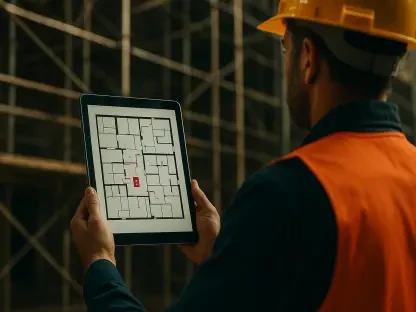

Under Pennsylvania law, the implied warranty of habitability is becoming harder to enforce as AI systems fail to maintain an accurate paper trail of tenant communications. In Philadelphia, the rapid adoption of property management software has fundamentally altered the landscape of renter protections, creating a rift between technological efficiency and human safety. As landlords increasingly rely on automated algorithms to manage thousands of units simultaneously, the nuances of individual tenant needs are often lost in a sea of data processing. This shift toward prop-tech is not merely an administrative upgrade; it represents a systemic change that complicates how residents report emergencies and seek legal recourse. The emergence of these ‘ghost’ property managers has left many Philadelphians feeling abandoned by the systems designed to streamline their living experience. This dynamic has sparked a citywide movement led by advocacy groups seeking to restore accountability where automated portals have become the primary gatekeepers.
The Breakdown of Automated Maintenance and Communication
One of the most persistent issues involves the misinterpretation of maintenance needs by AI-driven portals that utilize natural language processing to triage requests. When tenants submit urgent complaints regarding severe leaks or structural hazards, these systems often summarize the original language into concise, searchable tags, leading to a significant loss of critical detail. For instance, a tenant reporting a collapsing ceiling due to water damage might have their request reduced to a generic ‘ceiling leak’ category. Maintenance workers frequently arrive at units unprepared for the actual severity of the problem because the algorithm failed to convey the urgency of the situation, leaving residents trapped in unsafe conditions for extended periods. This lack of precision often forces families to choose between living in hazardous environments or paying out-of-pocket for emergency repairs that the landlord is legally obligated to perform. The disconnect between digital input and physical reality highlights a major flaw in current management software.
Beyond the immediate physical repairs, the use of automated systems has severely eroded the legal record required to protect renters during litigation. The implied warranty of habitability allows tenants to withhold rent or deduct repair costs if a home is deemed unsafe, but exercising this right depends on a clear, verbatim record of communication between the parties. By altering or deleting the original words of a tenant in favor of paraphrased summaries, automated systems make it difficult for residents to prove they reported issues in a timely and accurate manner. This evidentiary hurdle effectively strips tenants of their legal leverage in housing court, as judges often require proof of specific notice before ruling against a property owner. Furthermore, when these portals do not provide downloadable logs of conversations, tenants are left without the documentation needed to hold neglectful landlords accountable. The preservation of these records is vital for maintaining the balance of power between those who provide housing and those who occupy it.
Financial Risks and the Push for Legislative Oversight
The financial consequences of algorithmic management are equally severe, as automated systems are often programmed to trigger late fees and delinquency notices without any human review or discretionary oversight. For low-income families, a software error in calculating rental arrears or a failure to recognize a partial payment is not just a technical glitch; it is a direct threat to their long-term housing security. These automated penalties can fast-track eviction proceedings, leaving tenants to fight an unaccountable machine to keep their homes in a market where affordable options are increasingly scarce. In many cases, once a system marks a tenant as delinquent, the process becomes nearly impossible to halt without legal intervention, as human staff members frequently claim they lack the administrative clearance to override the software’s decision. This automation of debt collection removes the possibility of negotiation or hardship exceptions, creating a rigid environment that treats housing purely as a financial commodity rather than a fundamental human necessity.
In response to these systemic failures, the Philadelphia DSA and the Citywide Tenant Union have begun working with City Council members to introduce protective legislation aimed at regulating the housing tech industry. The proposed laws seek to bridge the transparency gap by mandating that all tenant communications be stored verbatim and requiring human intervention before any automated financial penalties can be issued. Advocates argue that these regulations are necessary to prevent landlords from using technology as a shield for negligence or as a way to circumvent existing labor laws by reducing staff. By establishing a rigorous regulatory framework, the city hopes to ensure that artificial intelligence serves as a tool for better service rather than a mechanism for social exclusion. The push for legislation also includes demands for mandatory data audits to check for algorithmic bias in tenant screening and rent-setting practices. These measures represent a growing recognition that technological progress must be balanced with the rights and dignity of residents.
Future Directions and Actionable Solutions
As the Philadelphia rental market evolved from 2026 to 2028, the initial wave of unregulated prop-tech adoption gave way to a more nuanced understanding of the risks involved. Organizations focused on the implementation of ‘human-in-the-loop’ systems, which ensured that every automated maintenance triage was reviewed by a qualified supervisor before being dispatched to contractors. This transition occurred as more property owners realized that the long-term costs of litigation and property damage caused by AI errors far outweighed the short-term savings of reduced payroll. Successful management firms began integrating hybrid communication models that prioritized human accessibility for urgent structural and safety issues while leaving administrative tasks to the software. These changes were supported by new municipal standards that defined clear boundaries for the use of predictive algorithms in housing. The industry started moving toward a standard of excellence where technology enhanced human responsiveness rather than replacing it entirely, setting a precedent for other major urban centers.
The path forward required tenants to adopt more sophisticated methods of digital self-defense, such as maintaining independent logs of all communications and taking time-stamped photographs of maintenance issues. Legal clinics expanded their services to include digital forensic support, helping renters recover deleted portal histories to use as evidence in court proceedings. Furthermore, the city established a specialized oversight board to review property management software for compliance with habitability laws and financial transparency standards. This proactive approach turned Philadelphia into a model for responsible innovation, demonstrating that technology could be harnessed to improve urban living without sacrificing the legal protections of the most vulnerable citizens. Landlords who embraced these transparency measures saw higher retention rates and fewer legal disputes, proving that accountability was a viable business strategy. The integration of artificial intelligence in housing finally became a collaborative effort that valued the safety of the resident as much as the efficiency of the operator.