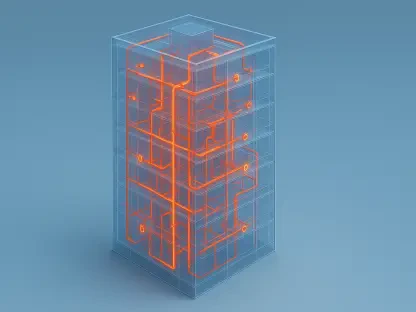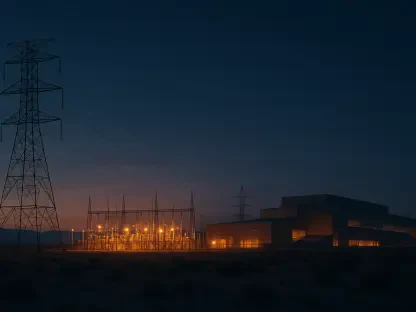
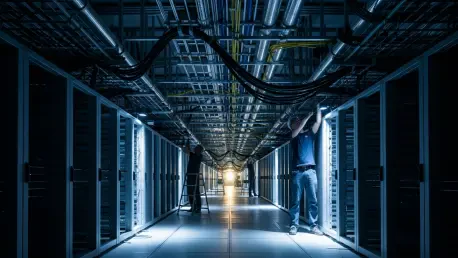
The relentless expansion of generative artificial intelligence has fundamentally altered the global industrial landscape, creating a voracious appetite for high-performance computing centers that the traditional construction sector is currently struggling to satisfy. While software updates and
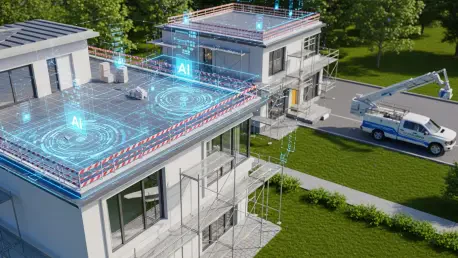
Construction sites across Australia have long been defined by high-risk environments where the difference between a successful workday and a tragedy often hinges on the quality of height safety infrastructure. Since its inception in 2001, Buildsafe has transformed from a modest Victorian operation

The sudden influx of autonomous building systems and generative diagnostics has left the facility management sector grappling with a profound paradox: buildings are getting smarter, but the workforce tasked with maintaining them is often left without the necessary digital blueprints. Modern
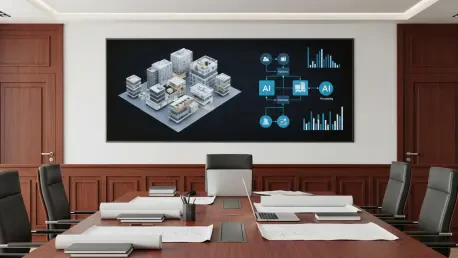
The rapid evolution of the construction sector has forced a significant overhaul of legal procedures, as the newly released Technology and Construction Court Guide addresses the complex intersection of building safety and artificial intelligence. With the residential landscape still adapting to the
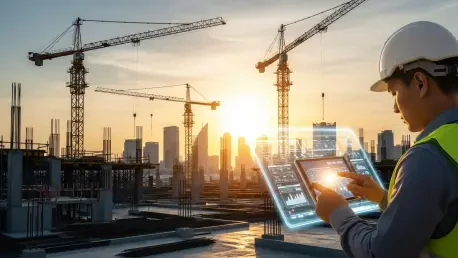
The skyline of any major metropolis today serves as a testament to the staggering complexity that defines modern civil engineering projects, where technical specifications and environmental volatility collide. Managing these massive undertakings requires a delicate balance of stakeholder

The landscape of residential property renovation has undergone a tectonic shift as sophisticated artificial intelligence platforms provide high-level aesthetic guidance that was previously restricted to the world's most affluent homeowners. For decades, the process of creating a cohesive living