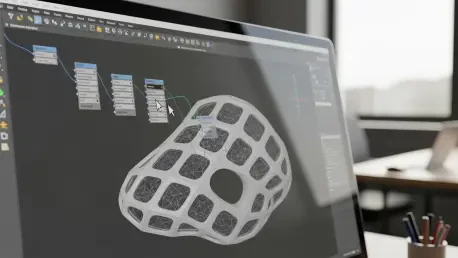
The contemporary engineering landscape has undergone a radical transformation where the traditional boundaries between local computational power and global cloud connectivity have almost entirely vanished in favor of integrated design ecosystems. This shift has redefined how products move from
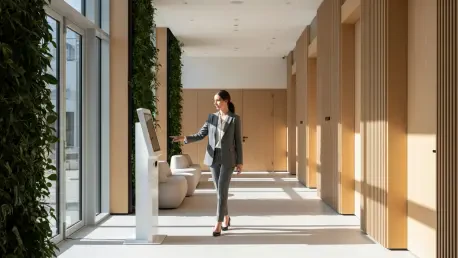
The traditional image of a property manager as a mere caretaker with a set of keys and a basic toolkit has been irrevocably replaced by a high-stakes role requiring mastery of intricate financial models and complex legal frameworks. This evolution reflects a broader trend within the real estate
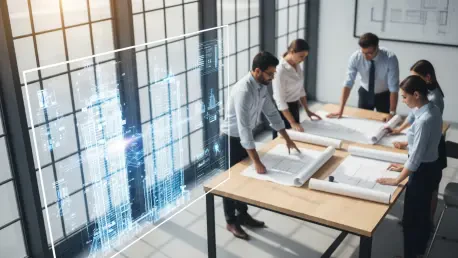
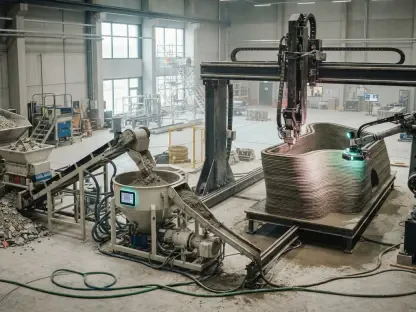
The traditional reluctance of the architecture, engineering, and construction industry to embrace digital disruption finally dissolved during a monumental shift that occurred in late June 2026. This period represented a definitive turning point where the integration of artificial intelligence
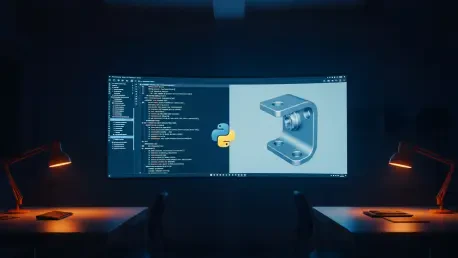
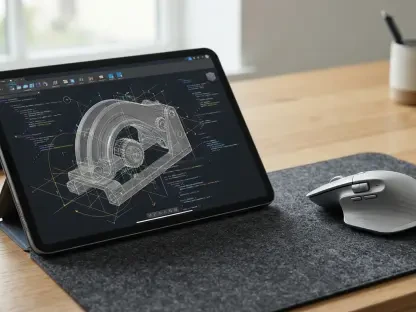
Traditional computer-aided design has long been a domain characterized by steep learning curves and rigid interface requirements that often stifle the creative spark of engineers and hobbyists alike. For many years, the divide between artistic mesh-based modeling and precise engineering-grade
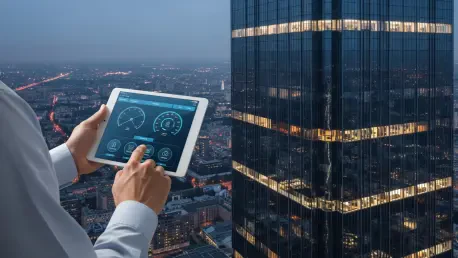
The modern commercial skyscraper, despite its gleaming glass facade and thousands of integrated sensors, frequently operates as a collection of isolated digital islands that rarely communicate effectively with one another. This fragmentation represents a central challenge for the built environment
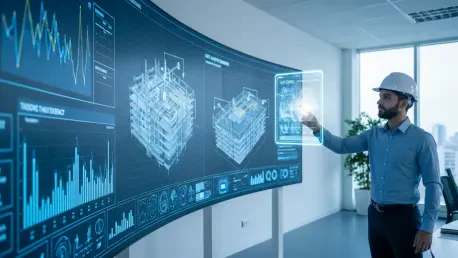
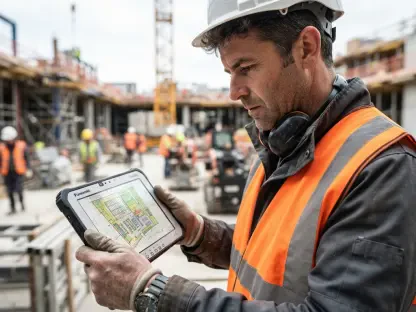
The construction industry is currently undergoing a seismic shift as digital twins and autonomous monitoring replace the traditional clipboard and hard hat inspections that once defined site management. Hyundai Engineering & Construction is at the forefront of this evolution, utilizing the H-Safe