
Managing the flow of tourism through timed entry reservations is essential for preserving the tranquil atmosphere of the island’s major museums. Naoshima, an island nestled within Japan’s Seto Inland Sea, has emerged as a premier global benchmark for integrating contemporary art with rural revitalization efforts. Once a region defined by industrial decline and environmental degradation, the island has undergone a profound metamorphosis over several decades, driven by the vision of the Benesse Art Site and businessman Soichiro Fukutake. This initiative sought to reclaim the landscape from its industrial past, creating a living museum where the dialogue between natural beauty and human creativity is the fundamental way of life. By fostering a unique synergy between avant-garde architecture and the coastal environment, Naoshima challenges traditional methods of art consumption. It invites visitors to step away from the fast-paced urban lifestyle and immerse themselves in a sanctuary designed for contemplation and aesthetic reflection.
Architectural Symbiosis: The Influence of Tadao Ando
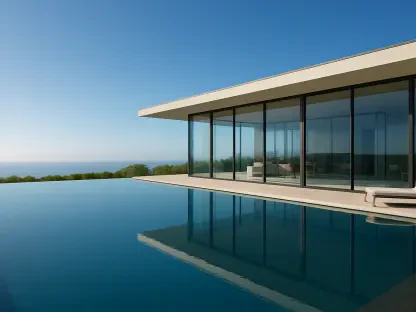
The aesthetic identity of Naoshima is inextricably linked to the Pritzker Prize-winning architect Tadao Ando. His signature use of unadorned reinforced concrete, geometric precision, and the masterful manipulation of natural light defines the island’s most iconic structures. His work on Naoshima is characterized by a subterranean approach, where buildings are often buried within the hillside to minimize the impact on the coastal skyline. This architectural restraint ensures that the structures do not compete with the beauty of the Seto Inland Sea but rather frame it, directing the visitor’s gaze toward the horizon or the sky. The deliberate use of materials like glass and steel, combined with heavy concrete walls, creates a sense of permanence that contrasts with the fluid nature of the surrounding water. This design philosophy protects the delicate works of art within from the elements while inviting the landscape inside through openings that celebrate the changing of the seasons.
One of the most poignant examples of this minimalist ethos is the Lee Ufan Museum, representing a collaboration between Ando and the artist Lee Ufan. This museum is a testament to the Mono-ha movement, an artistic philosophy that rejects traditional representation in favor of exploring the raw properties of materials like stone, steel, and wood. The structure is partially embedded in a valley, creating a secluded environment where Lee’s spare sculptures—often consisting of a single large stone placed in front of a steel plate—encourage viewers to reflect on the relationship between the man-made and the natural. Outside, the monumental Gate to Infinity stands as a landmark that uses the open sea as its backdrop. The consensus among critics and visitors alike is that the museum is not just a building containing art, but a cohesive installation where the architecture and the artwork are inseparable, offering a meditative space that challenges our perception of mass and depth.
Subterranean Masterpieces: The Chichu Art Museum
The Chichu Art Museum represents the pinnacle of Naoshima’s architectural ambition, functioning as a site-specific masterpiece. The word Chichu literally translates to within the earth, reflecting the decision to build the entire facility underground to preserve the island’s natural contours. Despite its subterranean location, the museum is flooded with natural light through various lightwells and courtyards, which change the appearance of the art throughout the day and across the seasons. This approach ensures that the visitor’s experience is never static; rather, it is a dynamic interaction governed by the current weather and the sun’s position. The museum’s construction utilized massive quantities of concrete and steel, yet the resulting spaces feel ethereal and airy. By burying the museum, the designers created an environment where the distractions of the outside world are stripped away, allowing for a pure and unadulterated focus on the three permanent installations housed within its walls.
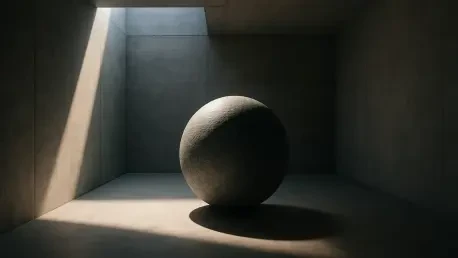
The museum houses a permanent collection of works by three legendary artists: Claude Monet, James Turrell, and Walter De Maria. In the Monet room, five paintings from the Water Lilies series are displayed in a gallery that utilizes natural light and a floor made of Carrara marble cubes, mimicking the atmospheric conditions of the artist’s garden. James Turrell’s installations challenge the visitor’s depth perception and understanding of color, often making the intangible quality of light seem physical and tactile. Meanwhile, Walter De Maria’s massive installation, featuring a large granite sphere and gold-leafed wooden sculptures, interacts with the sun’s movement to create a dramatic, cathedral-like atmosphere that changes significantly between morning and late afternoon. Outside, the Chichu Art Garden serves as a living tribute to Monet, featuring nearly 200 species of plants and flowers that the painter once cultivated, further blurring the line between the canvas and reality for all who visit.
Community Revitalization: The Art House Project
Beyond the major museum complexes, the creative spirit of Naoshima permeates the local community, particularly in the village of Honmura. The Art House Project is a unique initiative where abandoned traditional houses, workshops, and even a shrine have been converted into permanent art installations. This project is a crucial component of Naoshima’s identity, as it directly involves the island’s social fabric and historical heritage. By repurposing historic structures, artists such as James Turrell and Hiroshi Sugimoto have created spaces that respect the memory of the village while introducing contemporary perspectives. This intervention does not aim to replace the past but to breathe new life into it, ensuring that the older parts of the island remain relevant in a modern context. Visitors walking through the narrow streets of Honmura find themselves on a treasure hunt, discovering world-class art hidden behind the façades of modest residences, which fosters a sense of pride among the local inhabitants.
One notable example of this synthesis is the ANDO MUSEUM, which is located within a 100-year-old traditional wooden house. While the exterior remains faithful to the original architecture of the village, the interior features a concrete structure that exemplifies the dialogue between the old and the new. This architectural juxtaposition highlights a recurring theme on the island: the endurance of heritage in a rapidly evolving world. The museum provides an in-depth look at Tadao Ando’s work through models and photographs, all housed within a space that physically represents his design philosophy. Other houses in the project, such as Minamidera or Kadoya, offer immersive experiences that range from sensory deprivation to digital light displays. By embedding art within the residential areas, the project ensures that the island’s revitalization is not limited to the coastline but extends into the heart of the community, creating a sustainable model for cultural tourism that benefits both the visitors and the residents.
Public Expressions: Landmarks and Daily Integration
Public art serves as the visual shorthand for Naoshima, with Yayoi Kusama’s Red Pumpkin at Miyanoura Port acting as a primary landmark for arriving visitors. This polka-dotted sculpture has become a global icon, symbolizing the island’s playful yet profound commitment to making art accessible outside the confines of traditional galleries. Unlike the more secluded museum pieces, the Red Pumpkin encourages physical interaction, as visitors can walk inside the hollow structure and look out through its circular windows. This accessibility grounds the island’s artistic reputation in vibrant, approachable forms that appeal to a wide demographic of travelers. Along the coast, other installations by various international artists contribute to a landscape where creativity is ubiquitous. These public works are designed to withstand the elements, serving as permanent fixtures that define the coastal identity. They act as bridges between the high-concept art in museums and the everyday experience of the island’s natural environment.
Adding to the island’s eclectic charm is the Naoshima Bath, a functional public bathhouse that doubles as a maximalist art installation designed by Shinro Ohtake. This site is a sensory explosion of collages, tiles, and erotica-influenced motifs, providing a communal space where locals and tourists can interact in a quintessentially Japanese setting. The bathhouse challenges the often sterile and quiet environment of modern galleries by embracing noise, heat, and steam. It demonstrates a key trend in Naoshima’s development: art is not a luxury reserved for the elite, but a practical and communal part of daily life. The interior is decorated with a diverse array of found objects, ranging from an elephant statue to intricate mosaic patterns on the floors and walls. By combining the traditional ritual of the sento with contemporary pop art, the Naoshima Bath serves as a living gallery that promotes social well-being. It reinforces the island’s overarching philosophy, showing that aesthetic pleasure can be found in daily rituals.
Strategic Evolution: Hospitality and Sustainable Tourism
For those seeking a deeper immersion, Benesse House offers a rare opportunity to live among masterpieces, functioning as both a high-end hotel and a world-class museum. Also designed by Tadao Ando, this facility is divided into four sections that offer different vantage points of the Seto Inland Sea. The integration of hospitality into the art site reinforces the theme of living with art, suggesting that aesthetic appreciation should be a continuous experience rather than a scheduled event. Guests staying at Benesse House have the privilege of walking through galleries that contain original works by legendary contemporary artists. The true benefit of staying here is the 24-hour access to parts of the collection, allowing for a private and nocturnal engagement with the art that is impossible during standard visiting hours. This solitary viewing experience transforms the relationship between the viewer and the object, fostering a sense of intimacy and personal connection that is rarely found in the major global art centers of the world.
In conclusion, the transformation of Naoshima established a new paradigm for how cultural investments could heal neglected landscapes and reinvigorate rural communities. The managed approach to growth ensured that the island did not lose its soul to commercialism, instead remaining a sanctuary for quiet reflection. For those planning future visits, the implementation of comprehensive digital booking systems for all major galleries became a necessary step to maintain the high quality of the visitor experience. Authorities focused on expanding eco-friendly transport options, such as electric bike-sharing programs and hydrogen-powered shuttles, to align the island’s infrastructure with its environmental heritage. The collaborative efforts between the private sector and local residents proved that art could serve as a powerful engine for sustainable development. Ultimately, the island offered a blueprint for other regions facing industrial decline, demonstrating that the preservation of natural beauty and human creativity were two sides of the same coin.