
Scalable design elements such as self-contained stone units allow urban residents with small balconies to incorporate Japanese garden aesthetics without a full renovation. This approach draws heavily from the concept of wabi-sabi, a centuries-old Japanese philosophy that celebrates the beauty of imperfection and the natural cycle of growth and decay. In the high-pressure environment of 2026, many homeowners are moving away from the high-maintenance, hyper-manicured landscapes of the past in favor of spaces that feel authentic and grounded. By focusing on organic textures and materials that weather gracefully, a garden becomes more than just a collection of plants; it evolves into a sanctuary for contemplation. The intentional use of weathered stone and soft moss provides a stark contrast to the visual noise of modern urban life. This shift toward minimalist organicism prioritizes quality over quantity, ensuring that every element serves a purpose in creating a calm atmosphere.
Embracing Imperfection and Intentional Restraint
The allure of this design style lies in its quiet rejection of artificial perfection, favoring materials that tell a story of time and environmental interaction. When stone containers are allowed to develop a natural patina or a layer of velvety green lichen, they bridge the gap between human construction and the raw power of nature. This philosophy requires a significant degree of intentional restraint, as the designer must resist the urge to fill every square inch with competing colors or flashy decorative ornaments. By limiting the palette to earth tones and structural greens, the landscape begins to harmonize with the architectural lines of the home rather than clashing with them. This creates a cohesive environment where the transition from the indoor living room to the outdoor terrace feels like a seamless extension of the living space. Ultimately, the goal is to cultivate a sense of permanence and peace that thrives on the very flaws that traditional gardening tries to hide.
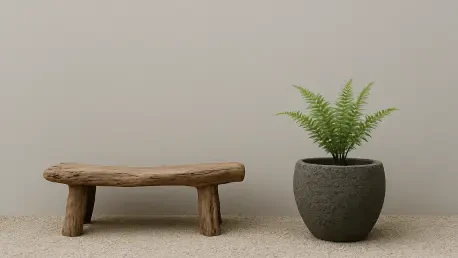
Creating a dedicated outdoor sanctuary often involves establishing a clear psychological boundary between the bustling interior of a home and the stillness of the garden. While modern interior design often leans toward eclectic textures and dense personal collections, the wabi-sabi outdoor space serves as a necessary sensory reset. This “less is more” strategy ensures that the garden remains a functional retreat where the mind can rest without the burden of constant visual processing or the anxiety of perpetual maintenance. By keeping the landscape rooted in natural, hardy elements, the space becomes a self-sustaining ecosystem of calm that does not demand the same level of attention as a traditional flower bed. This transition allows the occupant to shed the stresses of daily life upon stepping outside, entering a realm where the slow growth of a single plant or the weathering of a wooden bench is observed with appreciation. This purposeful simplicity transforms a backyard into a vital resource.
Practical Steps to Achieve a Zen Aesthetic
One of the most significant advantages of adopting this aesthetic is its remarkable scalability across diverse living environments, from sprawling suburban estates to compact city apartments. Because core elements like moss-filled stone troughs are entirely self-contained units, they function as portable pockets of tranquility that can be placed on windowsills or small patios with minimal effort. These features are particularly valued for their seasonal resilience, maintaining their aesthetic appeal even when traditional flowering plants have long since succumbed to the winter frost. Unlike delicate annuals that require constant replacement, moss and stone are remarkably hardy, offering a consistent burst of vibrant green during the dormant months from 2026 to 2028. This reliability ensures that the garden remains a source of visual comfort throughout the year, regardless of the climate or the gardener’s level of expertise. It democratizes the high-end landscape look, making the serenity of a Japanese-inspired retreat accessible.
For those seeking to replicate the look of antique Japanese artifacts without the high cost or difficulty of sourcing original pieces, modern material science provides innovative solutions. Contemporary containers manufactured from volcanic ash blends, natural river stone, or glass fiber reinforced concrete (GFRC) offer a lightweight and durable alternative that perfectly mimics the appearance of centuries-old rock. When these rustic, textured planters are paired with sleek, industrial-inspired furniture—such as smooth concrete benches or warm acacia wood seating—the resulting aesthetic is one of “quiet luxury.” This juxtaposition of the rugged and the refined is a hallmark of current high-end design trends, emphasizing authenticity over a hefty price tag. By selecting a few high-quality focal points instead of many mediocre decorations, homeowners can create a sophisticated environment that feels both modern and timeless. This strategy focuses on the tactile experience, using materials that ground the viewer.
Strategic Implementation and Long-Term Harmony
The integration of wabi-sabi principles proved that a garden’s value was not found in its initial cost, but in its ability to age with grace and provide a sanctuary for the individual. Homeowners who moved toward this minimalist approach discovered that reducing visual clutter significantly lowered the time spent on upkeep, allowing the outdoor space to fulfill its true purpose as a place of rest. Those who sought to implement these changes began by identifying a single focal point, such as a weathered basin, and allowed it to dictate the energy of the entire area. By choosing materials that responded well to the local climate, designers ensured that the landscape became more beautiful with each passing season. The successful transformation of these spaces relied on the understanding that perfection was a fleeting and often exhausting goal. Instead, the focus shifted toward creating a sustainable connection with nature that celebrated the passage of time. This practical shift in perspective turned simple backyards into meaningful retreats.