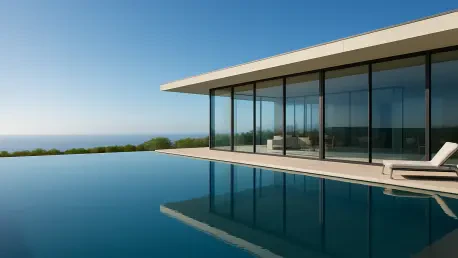

The architectural movement toward geometric precision is replacing the ornate, kidney-shaped basins and rock waterfalls that once dominated the high-end residential landscape. This shift represents a broader cultural evolution toward a philosophy often described as quiet luxury, where the emphasis remains firmly on the inherent quality of materials and the elegance of a well-proportioned layout. In this current 2026 market, luxury is no longer defined by the sheer quantity of features or the complexity of faux-natural rockwork, but by the restraint and sophistication of minimalist forms. These contemporary designs prioritize the creation of a calm water plane, effectively transforming the pool into a significant reflective architectural element rather than a separate, standalone recreational feature. By focusing on straight lines and balanced proportions, architects establish a continuous visual dialogue between the primary residence and the outdoor environment. This approach fosters an atmosphere of profound visual order, ensuring that the water surface serves as a dynamic canvas for light and reflection. Instead of overwhelming the senses with disparate textures, the modern luxury pool acts as a stabilizing force, harmonizing the surrounding landscape and elevating the architectural integrity of the entire estate.
The Integration: Water as a Structural Component
One of the most defining characteristics of the current era in luxury design is the movement of the pool from a standalone recreational unit to a fundamental component of the home’s structural footprint. Modern architects and designers no longer view the pool as an afterthought to be placed haphazardly in the center of a lawn; instead, they treat the water’s edge as a primary axis in the overall layout of the property. In contemporary residential projects, the pool is frequently aligned with the home’s structural geometry, mirroring the specific angles of rooflines, the placement of exterior columns, and the extension of terraces. This geometric alignment ensures that the pool feels like an intentional, physical extension of the living space rather than a separate addition. When a pool is integrated in this manner, it provides a sense of continuity that draws the eye outward, creating long sightlines that make the entire property feel more expansive. This trend reflects a sophisticated understanding of spatial relationships, where the interaction between solid structures and liquid surfaces is carefully choreographed to produce a unified aesthetic that is both modern and timeless.
This architectural integration is particularly powerful in homes that feature large expanses of floor-to-ceiling glass and open-concept floor plans. By positioning the pool in direct alignment with the primary living areas, designers ensure that the water is visible from multiple interior vantage points, effectively acting as a shifting, organic piece of artwork. During the day, the water catches the sunlight and reflects it back into the home, brightening interior spaces and creating a sense of movement. At night, sophisticated lighting systems turn the pool into a glowing architectural feature that anchors the backyard. The boundary between the interior and the exterior is blurred as the water surface appears to reach right up to the doorstep, creating a seamless indoor-outdoor transition. This level of design integration requires a holistic approach to the site plan, where the architect, pool designer, and landscape professional work in unison from the project’s inception. The result of this collaboration is a cohesive living environment where every element, from the sofa in the living room to the water in the pool, feels like it belongs to a single, interconnected vision of luxury.
Technical Demands: The Challenge of Absolute Precision
While the visual result of a minimalist pool is one of effortless simplicity, the engineering required to achieve that look is incredibly demanding and leaves virtually no room for error. In more ornate, traditional pool designs that feature natural stone, irregular shapes, and cascading rock waterfalls, slight deviations in a wall’s level or a corner’s sharpness can often be masked or blend into the organic texture of the materials. However, the clean-line aesthetic of 2026 provides no such refuge for installers; the absolute straightness of the edges and the perfect flatness of the water plane make even a millimeter of misalignment glaringly obvious. This demand for extreme precision has changed the way luxury pools are constructed, placing a premium on builders who can deliver high-performance structural shells. Achieving a perfectly level overflow or a sharp, ninety-degree corner requires a level of craftsmanship that borders on industrial engineering. Every structural component must be built with the understanding that the final finish will highlight, rather than hide, the underlying geometry. This precision is not just about aesthetics; it is a testament to the quality of the build, signaling to the homeowner that the project has been executed to the highest possible standards.
To meet these rigorous standards, the construction process now requires an intense level of coordination between different specialized trades, including structural engineers, interior finish installers, and hardscape contractors. Every element surrounding the pool must be perfectly flush to maintain the illusion of a single, continuous architectural plane that extends from the water to the decking. For instance, the transition from the pool’s interior finish to the coping and the adjacent stone or porcelain pavers must be seamless, with consistent grout lines and identical heights across the entire surface. Any slight tilt or unevenness in the surrounding hardscape will be magnified by the presence of the water’s level surface. This necessitates a collaborative approach where the pool builder and the mason work in lockstep to ensure that the structural shell is prepared with the exact dimensions required for the final materials. In many high-end projects, laser-leveling technology and advanced surveying equipment are used throughout the build to verify that every vertical and horizontal surface remains true. This obsession with detail is what separates a standard swimming pool from a luxury architectural feature, ensuring that the clean lines remain crisp and visually impactful for decades to come.
Urban Evolution: The Cultural Surge of Plunge Pools
A major sub-trend currently reshaping the luxury landscape is the surge in popularity of the compact plunge pool, a shift driven largely by the changing realities of high-end real estate. As lot sizes in desirable urban and suburban neighborhoods continue to decrease, homeowners are forced to be more efficient with their outdoor space, leading them to move away from massive, olympic-sized basins. However, this reduction in size has not resulted in a reduction in luxury; if anything, these smaller pools are often more sophisticated and technologically advanced than their larger predecessors. The modern plunge pool is designed to deliver a high-end experience within a smaller footprint, allowing for the inclusion of premium materials and intricate details that might be cost-prohibitive on a grander scale. By choosing a smaller pool, homeowners can invest more of their budget into high-quality stone finishes, advanced heating systems, and automated covers. This evolution demonstrates a shift in priority from the sheer size of the water feature to the utility and aesthetic impact of the entire yard. A well-designed 10-foot by 20-foot pool can serve as a stunning focal point, providing all the visual and functional benefits of a larger pool while leaving ample room for other outdoor amenities.
Beyond the logistical constraints of property size, the rise of the plunge pool is also fueled by a burgeoning interest in wellness and specialized water therapy. In 2026, homeowners are increasingly prioritizing the health benefits of water over the traditional ability to swim long laps, leading to the creation of vitality pools and cold-plunge zones. These installations are often kept at specific temperatures to facilitate athletic recovery, improve circulation, or provide a tranquil space for hydrotherapy and relaxation. This focus on wellness has transformed the pool from a seasonal recreational asset into a year-round tool for personal health. Many modern luxury pools now include integrated features like powerful swim jets for resistance training or built-in benches with therapeutic massage jets, packing massive functionality into a compact area. By reducing the pool’s footprint, designers are also able to reclaim valuable backyard space for complementary features such as outdoor kitchens, professional-grade saunas, fire pits, and shaded lounge areas. This holistic approach creates a multifunctional backyard resort that offers a variety of experiences within a cohesive, minimalist environment, ensuring that the outdoor space is utilized to its fullest potential regardless of its dimensions.
Material Innovation: The Supremacy of Reinforced PVC
The move toward geometric perfection has necessitated a significant shift in the materials used for pool interiors, with reinforced PVC membranes becoming the preferred solution for elite projects. Traditional cementitious finishes, such as plaster or pebble aggregates, often struggle to meet the exacting demands of modern minimalist design, particularly regarding long-term color uniformity and the sharpness of structural corners. In contrast, reinforced PVC membranes provide a perfectly consistent color and texture across the entire pool surface, which is essential for maintaining the clean, architectural look that homeowners currently demand. These membranes are significantly thicker than standard pool liners and are reinforced with a polyester mesh that provides exceptional tensile strength. They are custom-fitted and welded directly on-site by specialized technicians, ensuring a tailored fit that follows the precise contours of the pool’s geometric design. This material choice allows for a level of visual perfection that is difficult to achieve with hand-applied plaster, as it eliminates the mottling and shading variations that can occur during the curing process. By providing a smooth, uniform surface, these membranes enhance the reflective quality of the water, making the pool look like a solid block of color integrated into the landscape.
Durability is another key factor driving the adoption of reinforced PVC in the luxury market, especially for properties located in northern frost-belt climates. In these regions, the intense freeze-thaw cycle poses a major threat to traditional pool finishes, often causing rigid plaster surfaces to crack, delaminate, or pop off the structural shell as the ground shifts and temperatures fluctuate. Reinforced PVC membranes are inherently flexible, allowing them to expand and contract along with the pool shell without losing their integrity or their watertight seal. This flexibility ensures that the pool remains structurally sound and visually pristine even in the harshest winter environments, providing a level of long-term security that traditional finishes cannot match. These systems have a proven track record of longevity, often lasting twenty to thirty years with minimal maintenance, which appeals to the modern luxury consumer’s focus on quality and reliability. Furthermore, the material is highly resistant to staining, UV degradation, and chemical wear, ensuring that the interior maintains its vibrant color and smooth texture over time. For homeowners investing in a high-end minimalist pool, the peace of mind offered by a durable, flexible, and watertight interior is just as important as the initial aesthetic impact of the design.
Logistical Mastery: Streamlining the Build Process
In addition to their physical properties, the use of reinforced PVC membranes offers substantial logistical benefits that significantly streamline the construction and renovation process. One of the most frustrating aspects of traditional pool construction is the mandatory curing period required for plaster finishes, a delicate phase where the pool must be filled and the water chemistry meticulously balanced for weeks to prevent damage. During this time, the pool is often off-limits, and the project site remains active with technicians monitoring the water quality. In contrast, a reinforced PVC interior can be installed in a matter of days and the pool can be filled immediately upon completion. There is no waiting period and no complex startup procedure, which drastically simplifies the project timeline and allows the homeowner to begin enjoying the pool much sooner. This efficiency is particularly attractive for major renovations or new builds with tight deadlines, as it removes a significant bottleneck from the end of the construction schedule. By eliminating the uncertainties associated with cementitious finishes, builders can provide more accurate completion dates and a more professional experience for their clients, further reinforcing the value of modern engineering in the luxury sector.
Modern construction materials also provide a level of weather resilience that is essential for maintaining project momentum in unpredictable climates. Traditional pool plastering is a weather-dependent process; rain, high humidity, or extreme heat can easily ruin a fresh application, leading to costly delays and repairs. Reinforced PVC membranes are far more rugged and can be installed in a wider range of environmental conditions without compromising the quality of the final product. This resilience was clearly demonstrated in several recent high-profile projects where pool interiors were left empty for months during broader home renovations. Despite being exposed to debris, direct sunlight, and varying weather patterns, the membrane surfaces remained completely unaffected, maintaining their structural integrity and aesthetic appearance. This ruggedness reduces the stress of project management, as builders do not have to worry about the surface being damaged by other trades working nearby. The ability to install the pool interior and then continue with other landscaping or construction tasks without fear of ruining the finish is a game-changer for the industry. It ensures that the final result meets the exacting standards of a luxury build while providing a faster and more reliable path to project completion for both the contractor and the owner.
Chromatic Sophistication: Light, Texture, and Visual Depth
In the world of minimalist pool design, the selection of the interior color is a critical decision that defines the entire character of the outdoor space. The interior finish acts as a sophisticated light filter, determining the exact hue and reflective quality of the water. Currently, there is a strong preference for neutral tones that enhance the architectural surroundings rather than competing with them for attention. Lighter grays and whites are frequently used to create bright, vibrant blue or turquoise tones, evoking a resort-like or tropical atmosphere that feels airy and inviting. These lighter colors are ideal for properties where the pool is intended to be a centerpiece of recreational activity and sunshine. In contrast, darker slate tones and deep grays are becoming increasingly popular for modern, high-contrast homes. These dark finishes produce deep blue hues and highly reflective, mirror-like surfaces that perfectly capture the sky and the surrounding architecture. A dark, minimalist pool acts as a sophisticated reflecting pond, adding a sense of depth and gravitas to the yard. By carefully manipulating the color of the water, designers can tailor the pool’s mood to match the specific aesthetic goals of the property, whether that is a bright, energetic space or a serene, contemplative retreat.
The modern luxury pool is rarely treated as an isolated feature; instead, it is part of a cohesive outdoor living environment where every material is chosen to work in harmony. This focus on unity has led to the development of interior finishes that mimic the appearance and texture of natural materials like stone, concrete, and granite. By coordinating the color and texture of the pool interior with the surrounding decking and hardscape, designers create a space that feels seamless and balanced. For example, using a concrete-textured membrane inside the pool alongside large-format porcelain pavers on the terrace creates a consistent, monochromatic look that is the hallmark of contemporary minimalism. This integration extends to other backyard elements such as outdoor kitchens, fire features, and retaining walls, all of which are designed to share a common palette of earth tones and soft grays. This holistic approach ensures that the entire backyard feels like a single, well-designed ecosystem rather than a collection of separate parts. The result is a sophisticated outdoor sanctuary that provides a sense of balance and calm, where the water, the stone, and the architecture all contribute to a unified vision of modern luxury. This level of aesthetic coordination is what defines the most successful residential projects of 2026, offering homeowners a truly immersive and high-end living experience.
Strategic Evolution: Retrospective Insights and Future Actions
The transition toward minimalist and clean-line pool design successfully reshaped the high-end residential landscape, proving that true luxury often resided in restraint rather than excess. Throughout this period of evolution, designers and homeowners alike moved away from the cluttered and ornate aesthetics of previous decades, opting instead for the clarity and precision of geometric forms. The industry successfully integrated advanced materials like reinforced PVC membranes, which provided the technical foundation for achieving perfectly flat water planes and sharp, architectural edges. These innovations allowed pools to become more than just recreational assets; they functioned as integral structural components that enhanced the overall value and visual harmony of the home. Architects and builders collaborated more closely than ever before, ensuring that every sightline and material transition was executed with the highest level of craftsmanship. This era of design established a new standard where the pool was viewed as a wellness hub and a reflective masterpiece, prioritizing the quality of the experience over the sheer scale of the installation. By focusing on longevity and architectural unity, the industry delivered outdoor environments that remained both contemporary and durable, reflecting a sophisticated understanding of modern lifestyle needs.
Building on this foundation, homeowners and developers planning new luxury projects should prioritize early collaboration between architectural and pool design teams to ensure seamless structural integration. It was established that conduct thorough site assessments that consider how the water surface will reflect the home’s primary axes and natural lighting patterns throughout the day was a prerequisite for success. Selecting high-performance materials like reinforced membranes or large-format porcelain should be done with a focus on long-term lifecycle value rather than just initial cost. Additionally, integrating specialized wellness features—such as hydrotherapy zones or temperature-controlled recovery sections—will ensure the pool remains a functional asset throughout the entire year. As property sizes continue to consolidate in premium markets, the focus must remain on packing maximum technological and aesthetic value into efficient footprints. By emphasizing precision engineering and sustainable operation from the outset, it is possible to create an outdoor sanctuary that is as ecologically responsible as it is visually stunning. The future of the luxury backyard will continue to be defined by this balance of engineering excellence and minimalist beauty, providing a blueprint for enduring residential luxury.