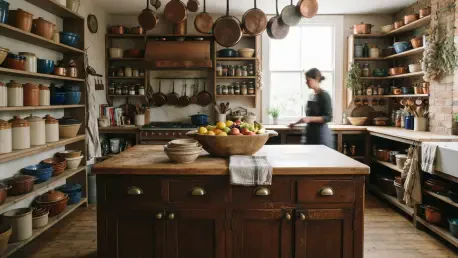

A hidden pantry or appliance garage often serves as the secret foundation for a kitchen that appears charmingly cluttered while remaining strictly organized. This design philosophy marks a significant departure from the stark, sterile minimalism that dominated domestic interiors for years, signaling a collective desire for spaces that reflect personality rather than just precision. In the current landscape of 2026, the home has evolved into a multifunctional sanctuary where the kitchen serves as the primary epicenter for social interaction, remote work, and culinary experimentation. Homeowners are increasingly rejecting the high-maintenance pressure of keeping every surface barren and every appliance concealed. Instead, they are embracing a “curated abundance” that celebrates the tools and treasures of daily life. This movement, often described as “cluttercore” or maximalism, does not advocate for genuine messiness; rather, it prioritizes a lived-in warmth that makes a house feel like a home. By allowing the kitchen to tell a story through displayed objects and varied textures, designers are creating environments that feel more soulful and authentic than the showroom-style models of the past decade.
Transitioning From Sterile Design to Emotional Hubs
The primary catalyst for this shift is a widespread cultural fatigue regarding the perfectionist standards that once defined modern kitchen design. For several years, the gold standard was a kitchen so clinical it appeared almost untouched by human activity, featuring integrated appliances hidden behind seamless cabinetry and empty stone islands that offered no clue as to the inhabitants’ interests or habits. However, interior experts now recognize that these environments often felt cold and uninviting, lacking the tactile and visual stimuli that encourage relaxation. As people began spending more significant amounts of time in their homes, the demand for “emotional comfort” surged. A kitchen that displays a collection of well-worn cookbooks, a favorite ceramic teapot, or a bowl of seasonal fruit feels inherently more welcoming. This shift suggests that the era of the “lab-like” kitchen has ended, replaced by a preference for visual density that fosters a sense of security and domestic bliss.
Building on this emotional shift, the role of the kitchen has expanded from a mere food preparation zone to a vital social lubricant within the modern household. When guests enter a kitchen that showcases artful displays and accessible tools, the atmosphere immediately becomes more informal and conducive to conversation. The presence of “visual abundance” removes the unspoken pressure to remain perfectly tidy, allowing for a more authentic interaction between hosts and visitors. Designers argue that by exposing the “inner workings” of the culinary process—such as hanging copper pans or accessible spice jars—homeowners invite others into their creative world. This transparency builds intimacy and transforms the kitchen into a hub where people naturally want to linger. Consequently, the “cluttered” aesthetic is not just a visual choice but a strategic social one, aiming to prioritize human connection over architectural austerity in the most utilized room of the residence.
Key Aesthetic Indicators of the Curated Kitchen
At the heart of this movement is the strategic use of open shelving and glass-front cabinetry, which serves as a stage for a homeowner’s personal history. Unlike traditional closed cupboards that hide life away, these features actively invite individuals to showcase their belongings, from artisanal ceramics to vintage glassware. This approach effectively blurs the line between utility and decoration, as daily necessities are elevated to the status of art. For instance, a high-end espresso machine or a set of professional-grade mixing bowls is no longer something to be tucked away but is instead featured prominently as a testament to the resident’s passions. This design choice encourages people to invest in higher-quality, aesthetically pleasing tools that serve a dual purpose. By treating functional items as decor, the kitchen gains a layered, complex narrative that a minimalist space simply cannot achieve, reflecting a sophisticated appreciation for the objects that facilitate our daily rituals.
In addition to open storage, the trend emphasizes rich materiality and the beauty of a natural patina that develops over time. Modern designs in 2026 are increasingly moving away from synthetic, “perfect” finishes in favor of materials that age gracefully, such as unlacquered brass, reclaimed wood, and hand-glazed tiles. These surfaces complement a collected aesthetic because they suggest a sense of history and permanence. A successful “cluttered” kitchen often rejects the idea of a coordinated, “all-at-once” renovation, favoring instead a slow accumulation of pieces that feel evolved rather than manufactured. This philosophy allows for the integration of inherited family heirlooms alongside modern technological acquisitions, creating a visual depth that tells a multigenerational story. The result is a space that feels grounded and permanent, providing a stark contrast to the disposable, fast-furniture culture that characterized much of the early twenty-first century.
Practical Strategies for Mastering Intentional Curation
To prevent an intentionally curated kitchen from devolving into genuine disarray, professionals emphasize the importance of the “clear surface” rule for active work zones. While walls, shelves, and secondary surfaces are encouraged to be full of character, the primary countertops used for food preparation must remain relatively clear to ensure functionality. This balance is critical because it allows the aesthetic of abundance to coexist with the practical requirements of a high-performance kitchen. By designating specific “zones of visual interest” that are separate from functional work areas, homeowners can achieve a look that is both beautiful and highly efficient. This method ensures that the “cluttered” look never interferes with the kitchen’s primary purpose, proving that maximalism and utility are not mutually exclusive. Strategic lighting also plays a major role here, as targeted task lighting keeps workspaces focused while soft accent lighting highlights the curated displays.
Another essential technique for maintaining order within a visually dense environment involves the creation of “vignettes” through thoughtful grouping. Instead of scattering small items randomly across every available surface, designers suggest organizing objects into cohesive clusters based on their height, texture, or material. For example, a group of wooden cutting boards leaning against a backsplash alongside a jar of marble utensils creates a single, organized unit that the eye perceives as a deliberate design choice rather than a chaotic mess. This categorization allows for a significant amount of items to be on display without overwhelming the senses. Many successful implementations of this trend also rely on the aforementioned hidden storage solutions to manage “invisible clutter.” By tucking away unattractive essentials like plastic food packaging or bulky cleaning supplies, the visible portions of the kitchen remain dedicated solely to the items that contribute to the desired aesthetic narrative.
Sustainable Longevity: The Impact of Material Selection
The resurgence of the “lived-in” kitchen also reflects a broader move toward sustainability and more mindful consumption habits. By embracing a style that values older items, patinated metals, and mismatched ceramics, homeowners are less likely to participate in the cycle of replacing decor to follow fleeting trends. This aesthetic encourages the repair and preservation of existing items, such as refinishing a sturdy oak table or polishing an old copper pot, rather than discarding them for new, mass-produced alternatives. In the context of 2026, where environmental consciousness is a primary driver of consumer behavior, this trend aligns perfectly with the desire for long-lasting, high-quality domestic environments. The “cluttered” kitchen celebrates the unique character of objects that have endured years of use, suggesting that beauty is found in durability and history rather than in the pursuit of a temporary, pristine image.
This shift toward sustainability also influences how people select new items for their homes, favoring artisanal and locally sourced goods over generic, globally shipped products. When every item on a shelf is intended to be seen, there is a greater incentive to choose pieces that have a story or were made with superior craftsmanship. This has led to a revitalization of small-scale ceramicists, woodworkers, and metalsmiths who produce the “functional art” that populates modern kitchens. By investing in these unique pieces, homeowners contribute to a more circular and ethical economy while building a kitchen that feels deeply personal. The trend therefore represents a rejection of anonymity in design, asserting that the objects we surround ourselves with should reflect our values and our commitment to quality. Ultimately, the cluttered kitchen serves as a gallery for a more conscious way of living, where every item is chosen for its ability to provide long-term joy and utility.
Implementing Actionable Changes for a Personal Transformation
Transitioning toward a curated kitchen aesthetic requires homeowners to look at their existing possessions with a fresh perspective and a focus on intentionality. Those who successfully adopt the trend begin by auditing their cabinets to identify items that offer both beauty and frequent utility. They move these pieces to open shelves or glass-front displays, effectively turning their most-used tools into central design elements. This process often involves clearing out “true clutter”—items that are neither used nor aesthetically pleasing—to make room for more meaningful displays. By prioritizing objects with sentimental value or artisanal quality, individuals transform their workspaces into soulful environments. They also invest in high-quality storage solutions, like the appliance garage, to keep the visual focus on their curated vignettes while maintaining a high level of organization behind the scenes.
Homeowners who embrace this movement find that the final result is a kitchen that functions as the true heart of the home, providing a sense of comfort that minimalism cannot match. They utilize strategic grouping and varied textures to create a space that feels abundant and generous, yet remains practical for daily culinary tasks. The shift successfully fosters a more relaxed atmosphere for social gatherings, as the “lived-in” look invites guests to feel at ease. By following the expert advice of keeping preparation surfaces clear while filling shelves with character-rich items, people achieve a sophisticated balance between art and function. This approach ultimately offers a long-term solution for creating a home that reflects a life well-lived, proving that the most beautiful kitchens are those that celebrate the activity and history of the people within them. These spaces transition from being mere rooms into curated galleries of personal identity and warmth.