
Timing infrastructure upgrades to coincide with existing asset life cycles prevents the financial strain often associated with rapid fossil fuel divestment. Modern higher education institutions find themselves at a difficult crossroads, facing the triple threat of ambitious decarbonization goals,
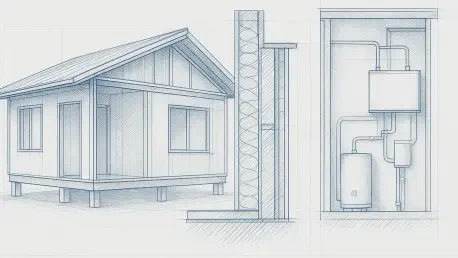
Expanding the federal safety and construction framework to include larger-scale residential buildings could significantly increase the density of affordable housing units in urban areas. This initiative, formalized under the Next Generation Manufactured Housing Action Plan, represents the most
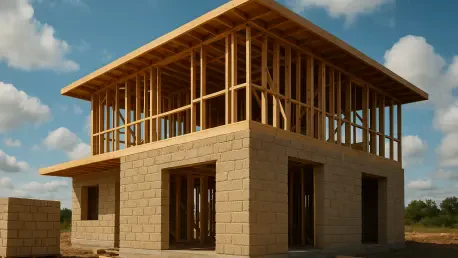
By utilizing inexpensive fertilizer chemistry, researchers have successfully doubled the strength of a carbon-negative building material without increasing its weight or density. This development arrives at a pivotal moment as the global construction sector faces intensified pressure to transition

Banu Antonache's success in scoring 27 out of 33 points for energy efficiency proves that decade-old infrastructure can be fine-tuned to meet today’s strictest power standards. This specific accomplishment, achieved through the LEED v4.1 Operations and Maintenance (O+M) framework, challenges the

Hong Kong's history of land reclamation and intense monsoonal activity provides a poignant backdrop for exploring how cities can survive the increasing rise of the oceans. This island city, long defined by its push against the sea, now serves as the host for the 2026 International Federation of

Innovative wall solutions using bamboo from WPBaltic and Metroks demonstrate a growing consumer appetite for sustainable surfaces that offer both durability and style. This specific trend is a microcosm of a much larger cultural shift occurring as we approach the end of the year, where the cold,