
Immersion cooling techniques using mineral oil represent a more efficient alternative to traditional water-based systems, though scaling these technologies remains a challenge. As the digital economy accelerates, Texas has found itself at the epicenter of a massive industrial expansion that is testing the limits of its infrastructure and the patience of its citizens. These sprawling facilities, once heralded as the invisible backbone of modern life, have morphed into highly visible symbols of resource consumption. The state is currently grappling with how to integrate these high-density developments without compromising the stability of its utility grids or the sanctity of its rural landscapes. Across the vast Texas plains and into the burgeoning tech corridors, the arrival of a new data center is no longer greeted with universal praise. Instead, it often marks the beginning of a complex negotiation between international tech giants and local communities who are increasingly protective of their water, power, and quietude. This dynamic has forced a necessary conversation about the true cost of connectivity and whether the economic benefits of being a global data hub outweigh the environmental and social strains placed on the Lone Star State.
Trust Deficits and the Rise of Local Activism
The landscape of data center development in Texas has been fundamentally altered by a significant erosion of public trust, particularly in areas like Bastrop County where the friction between residents and developers has reached a boiling point. In small towns such as Rockne, the community response has transitioned from cautious curiosity to organized, fierce resistance. This shift was largely triggered by what locals perceived as deceptive marketing tactics used by developers to gain early support for their projects. One notable incident involved the use of promotional materials and billboards suggesting that the tax revenue generated by these massive server farms would directly fund the salaries of local firefighters. This claim backfired spectacularly when residents pointed out that the region is almost entirely served by dedicated volunteers, making the promise of “salaries” feel like a manufactured talking point rather than a genuine community investment. This specific failure in communication has left a lasting legacy of skepticism, causing many Texans to view any new data center proposal as a potential threat disguised as progress.
Building on this local resentment, grassroots opposition has evolved into a sophisticated and highly coordinated network represented by organizations such as “Texans United Against Data Centers.” These groups are no longer just protesting noise or aesthetics; they are demanding specific, verifiable data regarding every aspect of a facility’s operations, from its peak hourly water draw to its projected noise frequency output. This movement has already demonstrated its political power by successfully pressuring several major developers to rescind their requests for multi-million-dollar tax abatements. The standard industry playbook, which often relied on vague promises of “smart infrastructure” and general job creation, is proving insufficient in the current climate. To regain any semblance of a social license to operate, companies are being forced to abandon their traditional “black box” approach and provide transparent, honest communication about their long-term impact on the surrounding community. Without a fundamental shift toward accountability, the path forward for new projects will remain blocked by a wall of litigation and public protest.
The Paradox of Water Scarcity in Data Management
Water consumption remains the most volatile environmental issue facing the Texas data center industry, especially as the state continues to endure cycles of severe and prolonged drought. The sheer volume of water required to cool thousands of high-performance server racks is staggering, often reaching millions of gallons per day for a single large-scale campus. While advanced cooling technologies like closed-loop systems and high-efficiency air chillers are available, the current regulatory environment in Texas often incentivizes the path of least resistance. Without strict state mandates, many developers choose the cheapest, most water-intensive evaporative cooling methods because they offer the lowest immediate capital expenditure. This lack of transparency regarding water usage prevents local planning boards from accurately forecasting the long-term sustainability of regional aquifers. When a data center is allowed to draw from the same water table that serves local agriculture and residential neighborhoods, the risk of resource depletion becomes a tangible threat to the region’s survival.
To mitigate this mounting strain on the state’s liquid gold, a growing chorus of experts and local officials is calling for a mandatory “water transparency” framework and significant policy overhauls. One proposed solution involves a legislative requirement for all new data centers to utilize reclaimed or “purple pipe” water for their cooling needs, rather than tapping into potable municipal supplies. Additionally, there is a push to shift the financial burden of infrastructure expansion entirely onto the developers, requiring them to fund public water conservation projects as a prerequisite for zoning approval. By treating water as a finite public good rather than a subsidized industrial input, Texas can force a transition toward more responsible engineering. This approach ensures that the entry of “rich companies” into the local market does not result in a net loss for the public’s essential needs. If data centers are to remain a fixture of the Texas economy, they must prove they can operate within the hydrological limits of the land they occupy.
Grid Stability and the Independent Generation Mandate
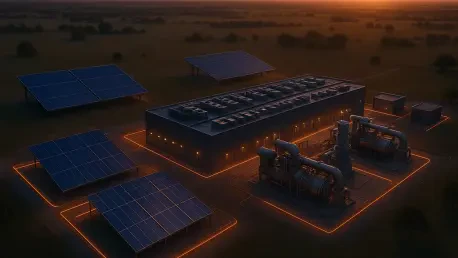
As the data center industry attempts to pivot toward air-cooling methods to alleviate water concerns, it inadvertently creates a massive new demand for electricity, further stressing an already fragile Texas power grid. The Electric Reliability Council of Texas (ERCOT) has seen its projections for industrial load growth skyrocket, driven largely by the massive power requirements of AI-focused server clusters. In response, state leadership has begun championing a “Bring Your Own Generation” model, which encourages or even mandates that large-scale developers construct their own onsite power plants. The logic is that by decoupling these industrial giants from the primary consumer grid, the state can avoid the rolling blackouts and price spikes that have plagued residents in recent years. This strategy effectively seeks to leverage corporate capital to build a more robust and decentralized energy infrastructure. However, the implementation of such a model is fraught with logistical challenges, including severe hardware backlogs for industrial-grade turbines and the extreme redundancy requirements needed to maintain the 99.999% uptime these facilities demand.
Despite these significant hurdles, the ongoing energy dilemma presents a unique opportunity for Texas to modernize its grid through forced private investment. If data centers are required to become net contributors to the energy landscape—by building not only gas-fired backup plants but also investing heavily in utility-scale wind, solar, and battery storage—the industrial expansion could theoretically strengthen the state’s overall energy security. This transition requires a delicate balance; policymakers must ensure that the rapid construction of onsite generation does not lead to an increase in localized air and noise pollution for nearby neighborhoods. The “Bring Your Own Generation” approach must be more than a workaround for a weak grid; it should be a catalyst for a new era of industrial energy independence. As the state moves forward, the success of this model will depend on whether developers view themselves as temporary guests or as long-term partners in the state’s energy future, willing to absorb the high costs of building the infrastructure they require.
Engineering a Sustainable Framework for Industrial Growth
A viable path toward sustainable data center operations is already being pioneered by specialized facilities, such as those operated by the Texas Advanced Computing Center. These high-performance hubs demonstrate that it is possible to maintain cutting-edge computing power while significantly reducing the environmental footprint. By implementing innovative strategies like thermal storage tanks—which allow facilities to chill water during off-peak night hours when electricity is cheaper and more plentiful—operators can avoid placing additional strain on the grid during the heat of the day. Furthermore, the use of closed-loop water recycling ensures that every gallon of water is utilized to its maximum potential before being discharged. These methods stand in stark contrast to the “build-fast” mentality that defined the initial wave of data center expansion. They offer a concrete blueprint for how the industry can evolve from a resource-heavy burden into a marvel of modern engineering that respects the ecological limits of its environment.
The long-term viability of data center development in Texas ultimately depended on a transition from unregulated expansion to a model of negotiated, sustainable growth. For years, the state relied on tax incentives to attract tech investment, but the focus shifted toward demanding more from these companies in exchange for access to the Texas market. Legislative oversight moved from voluntary reporting to mandatory disclosures, ensuring that local governments could make informed decisions about their resources. By fostering a partnership based on accountability, transparency, and advanced engineering, the state managed to host the ongoing digital revolution without sacrificing its environmental integrity. The lessons learned during this period of friction provided a clear directive: industrial growth must be integrated, not just imposed. As Texas moved forward, the most successful developers were those who treated community resources with the same precision they applied to their server racks, proving that technological progress and local well-being could coexist through diligent management and honest engagement.